
When I was growing up, I was a fierce hopscotch competitor on the schoolyard. We didn’t have permanently painted hopscotch courts, so I would have to smuggle out chalk from the classroom to draw them at recess. If only I knew how to whip up my own sidewalk chalk back then. It’s actually very easy to make, and all you need are some simple ingredients and a mold.
What you’ll need:
Plaster of Paris
Water
Disposable cups
Craft sticks or plastic spoons
Tempera paint
Silicone mold
 1. Mix one cup of plaster of Paris with 3/4 cup of water in a disposable cup. Stir the mixture with a craft stick or plastic spoon until the plaster of Paris has dissolved. You’ll want to make a separate cup for each color you use.
 2. Stir in some drops of tempera paint to each cup of plaster of Paris mixture. Start with about five drops and continue adding paint until you get the color you want. A handy tip: Even if you’re making white chalk, add white tempura paint so there’s enough white pigment in the chalk.
 3. Pour the mixture into silicone molds. If you want to mix colors, allow one layer to begin hardening before adding another color. Allow the chalk to harden completely for 24 hours.
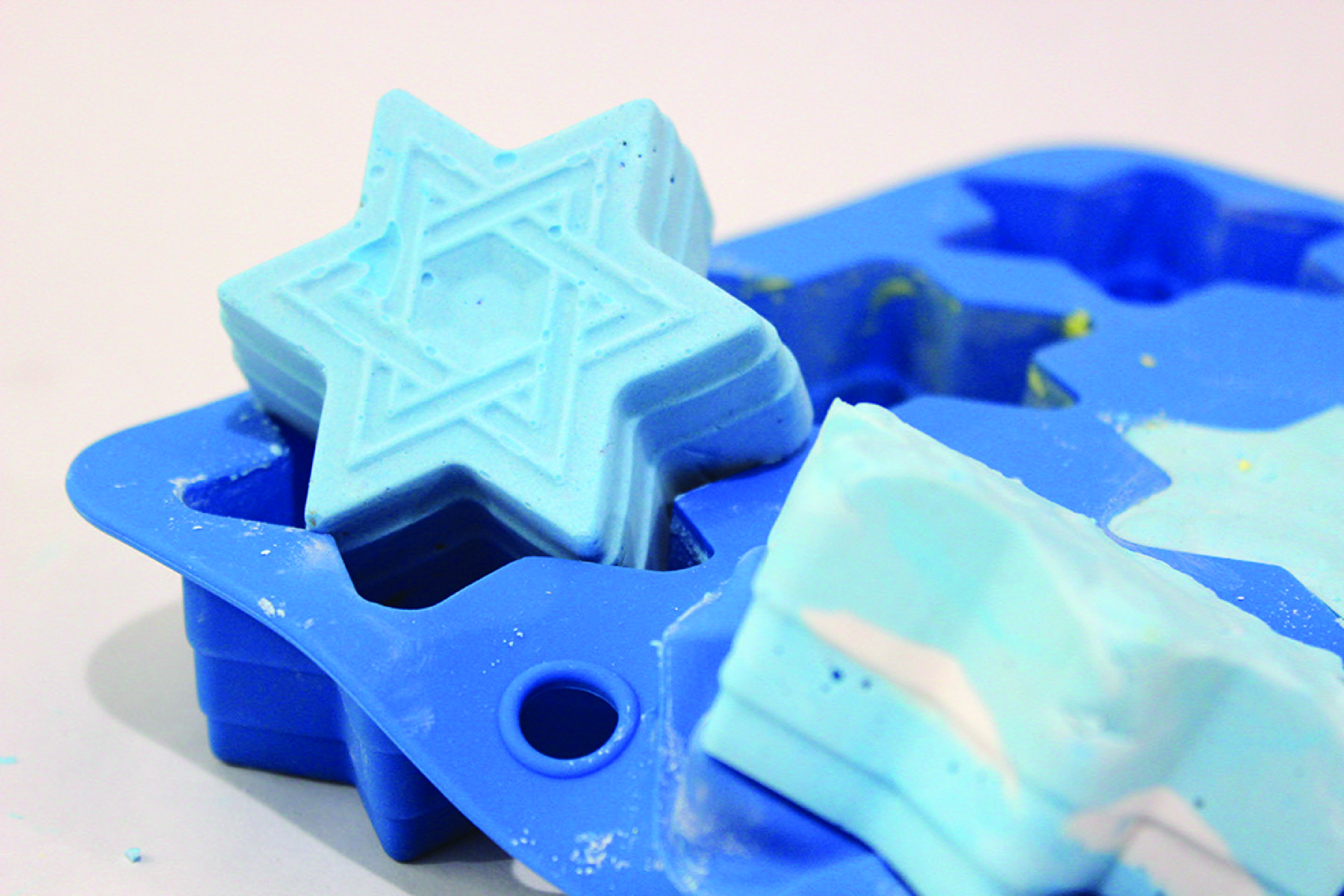 4. Remove the chalk from the molds. They slip right out if the molds are silicone. Wait another 24 hours before using the chalk to make sure it doesn’t crumble.
Jonathan Fong is the author of “Flowers That Wow” and “Parties That Wow,” and host of “Style With a Smile” on YouTube. You can see more of his do-it-yourself projects at jonathanfongstyle.com.