Facebook CEO Mark Zuckerberg has been in hot water over his recent comments about Holocaust deniers on Facebook. Making matters worse for him is a new report showing that Holocaust denying groups are at the top of Facebook’s search algorithm.
Business Insider reports that if a user searches the word “Holocaust,” the first pages and groups that appear are Holocaust denying groups and pages, such as The Open Holocaust Debate and Holocaust Revisionism. The latter group claims that Adolf Hitler was “a Zionist puppet.”
A spokesperson for Facebook told Business Insider that such results were due to user preferences, however the Business Insider report notes that four different people had Holocaust denying groups and pages show up when they searched “Holocaust.”
In a July 18 interview with Recode, Zuckerberg said that while he finds Holocaust denying content on Facebook to be abhorrent, it shouldn’t be taken down from the platform because “at the end of the day, I don’t believe that our platform should take that down because I think there are things that different people get wrong. I don’t think that they’re intentionally getting it wrong.”
A group of Birthright participants decided to walk out from a couple of buses during a trip to protest the Israeli “occupation” of the West Bank. Now the activists have started a GoFundMe page to pay for their flight home.
According to the Times of Israel, eight activists walked out of two buses on their sixth day of the 10-day Birthright trip, claiming that Birthright would not show them the “occupation” of the West Bank so they went on their own to the area.
“Visiting Israel in 2018 and not receiving comprehensive education about the occupation is like visiting the South in the 1950s and not talking about Jim Crow segregation,” the GoFundMe page read. “Young Jews deserve the truth about what’s being done in our name and it is out of touch and absurd that Birthright would try to hide this from us.”
Consequently, Birthright canceled their flights home and held on to their $250 deposit, prompting the activists to launch the GoFundMe page to cover their travel and potential legal costs. The activists are claiming that Birthright threatened them with a lawsuit, which Birthright denies.
“We respect the ability of all participants to formulate their own views and opinions, and engage in productive and respectful dialogue,” Birthright said in a statement. “However, we will not tolerate any attempts to use this experience to promote ideological agendas.”
Six of the activists belong to a progressive Jewish organization called IfNotNow, which has previously confronted Birthright leaders and attendees as they leave for Israel.
As of publication time, the activists raised nearly $12,000 on the GoFundMe page.
The Israel Defense Forces (IDF) have announced that one of their soldiers was murdered by a Palestinian sniper on July 20.
The IDF tweeted that the soldier was shot nearby the Israel-Gaza border after a group of Palestinian snipers opened fire on Israeli soldiers. The family of the deceased soldier has been notified.
Today an IDF combat soldier was killed during operational activity near the southern Gaza Strip. A terrorist squad shot at IDF troops and the IDF soldier was severely injured. He later succumbed to his wounds. His family has been notified pic.twitter.com/V0ppoDyKZV
The soldier’s murder was what prompted Israel to launch numerous airstrikes against Hamas, which are still ongoing. Four Hamas terrorists have been killed in the strikes and 15 Hamas targets were hit.
San Francisco State University (SFSU) has signaled that they won’t be taking any action against an ethnic studies professor who said that Zionists weren’t welcome on campus, according to the Algemeiner.
As the Journal reported in March, SFSU Professor Rabab Ibrahim Abdulhadi wrote on Facebook that she was unhappy with SFSU President Leslie Wong for stating that Zionists were welcome on campus.
“I am ashamed to be affiliated with SFSU administration and demand the immediate retraction of this racist, Islamophobic and colonialist statement, and the restoration of SFSU social justice mission,” Abdulhadi wrote.
SFSU’s Arab and Muslim Ethnicities and Diasporas (AMED) program Facebook page shared Abdulhadi post. University Director of News and New Media Strategic Marketing and Communications Mary Kenny told the Journal at the time that SFSU had requested that AMED remove Abdulhadi’s post.
But Abdulhadi’s post can still be seen on AMED’s Facebook page. SFSU told Algemeiner that while they find the post “offensive,” they are unable to take it down.
“San Francisco State directed Dr. Abdulhadi and asked Facebook to remove the post and is not planning any further actions in that regard,” the university said. “The University’s ability to remove the post is limited since it was generated by an individual on a platform that the campus does not have access to or control over.”
Tammi Ross-Benjamin, director of the anti-Semitism watchdog AMCHA Initiative, told the Algemeiner it was disgusting that a “hateful and discriminatory message targeting Jewish and pro-Israel students remains on an official university program’s Facebook page.”
SFSU is currently facing a lawsuit alleging that the university has allowed the campus to become an incubator of anti-Semitism, citing the university’s refusal to discipline a Palestinian student who threatened to kill Israeli soldiers, as an example.
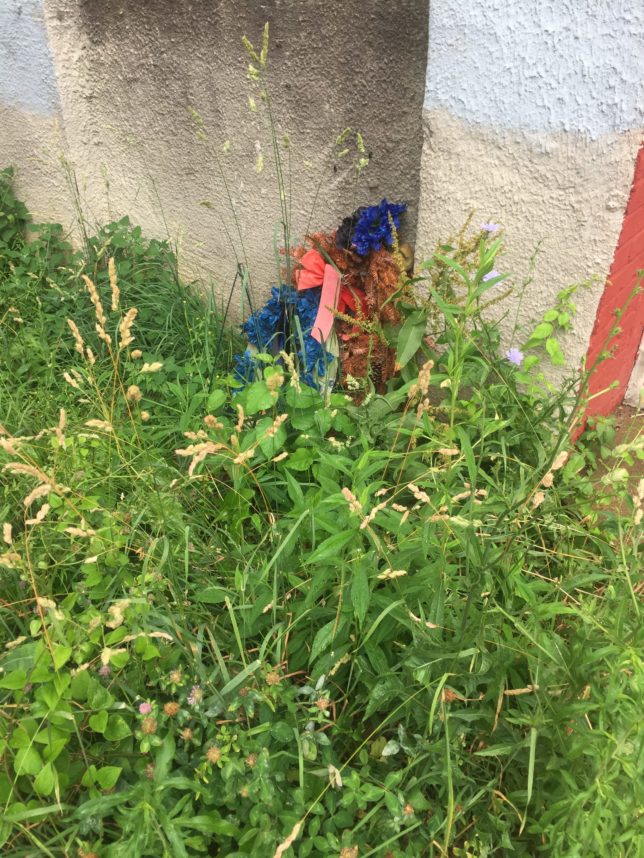
Memorial at the vacant lot where Suiter was shot, today.
This multi-article series revisits the available evidence and reporting around the shooting death of Homicide Detective Sean Suiter on November 15, 2017, adding analysis and some new information to the conversation so far. This information is provided in advance of the findings of an independent panel, commissioned by the department, that has promised insights and recommendations.
This first article looks at the trajectory of Commissioner Kevin Davis in his handling of this case in media and similar cases in the past. Part 2 deconstructs the reported timeline of events, comparing it to police audio records. Part 3 considers the ballistics discoveries and evidence. Part 4 looks at the emergence of the suicide and other theories, as well as the role of the federal government. The Addendum looks at the video evidence, released with the findings from an Independent Review Board. The Conclusion enhances the audio and video further and arrives at a homicide conclusion.
“A very short amount of time”
Most of what the public has been told about Detective Sean Suiter’s death comes from Baltimore Police Department (BPD) Commissioner Kevin Davis’ seven press conferences during November and December; media reporting during those two months; and a follow-up Baltimore Sun article on March 22, 2018, written by Justin Fenton and Kevin Rector. Closely examined, these reports present some gaps and inconsistencies, especially when compared to police and fire audio from that day.
One conspicuous omission has been the timeline of events. BPD’s original media release only said that Suiter was shot “about 4:30pm.” BPD generates Computer-Aided Dispatch reports for every call, so they know the entire timeline. In fact, BPD removed Suiter-related calls from an open source database, limiting the public’s ability to plot out the timeline, as discussed below. The department claimed to want the help of local residents in finding the shooter but withheld what happened when.
Davis and his media spokesman, T.J. Smith, gave one repeated hint about the timeline: It all happened “very quickly,” in a “very short amount of time.” Looking closely, it appears to have been very tight indeed, almost improbably tight at times.
This article deconstructs the reported timeline without theorizing about his death. Timestamps are determined from concrete evidence (911 or dispatch calls) or deduced from the information provided. Some of the deduced timestamps depend on the events having happened as reported by BPD, as discussed.
First sighting of the suspect – about 4:15pm
Davis reported that Suiter was on Bennett Place in West Baltimore on the afternoon of November 15th with a “back-up partner,” following up on a 2016 triple homicide. The Baltimore Sun and activist group Baltimore Bloc identified this person as homicide detective David Bomenka, which BPD neither confirmed nor denied. Eventually, Davis acknowledged that Bomenka was not a part of Suiter’s 2016 case but was “investigating a murder in that area as well.”
On the night of Suiter’s shooting, Davis provided a description of the suspect that became the focus of a week-long manhunt – an “adult African-American male, wearing a black jacket with a white stripe on the black jacket.” Yet, about an hour after the shooting, a dispatcher issued a citywide look-out in reference to Suiter’s shooting for a black male with “white sleeves” and a “baseball cap” that had the unusual detail of being in the “knit style.”
The residents of Harlem Park suffered days of unconstitutional stops and searches based on Davis’ certainty that the person Bomenka identified was the killer. In later press conferences, the commissioner walked back his initial description, somewhat. He suggested it came from a tip, then admitted it came from the partner. But he never said that it might have been miscommunicated.
The twenty minute gap – about 4:15pm to 4:35pm
According to Davis, Bomenka described both officers seeing a stranger who was “engaged in suspicious behavior” in the vacant lot. About twenty minutes later, Suiter entered the lot and was shot. Bomenka did not see the stranger the second time. It follows that the suspicious man and the shooter were not necessarily the same person. Twenty minutes is a long time between police events, and the lot has another entrance.
As pointed out by @bmoreprojects, we’ve been given no information about what Suiter and Bomenka were doing during that twenty minute gap. They were investigating two murders, but nobody has come forward describing any interaction with them. That information would likely have been released, as it would have supported Davis’ story.
Fenton and Rector touched upon the twenty minute gap in their March follow-up story:
Police have said that 20 minutes before the shooting, Suiter and Bomenka saw a man who was acting suspiciously. That observation formed the basis for a vague suspect description — a black man wearing a black jacket with a white stripe — released by the department.
Suiter directed Bomenka to a position around the corner from the vacant lot. Sources say surveillance footage shows the two separate, with Suiter pacing back and forth near the entrance to the lot. The footage shows Suiter darting into the lot suddenly, gun in right hand and his radio in his left hand.
This account conflates the two sightings of the suspect. It gives the impression that the officers separated and stayed there for twenty minutes, staking out this one man – as if they were working on a narcotics bust and not two murder investigations. If there is surveillance video, it should also be able to provide a more detailed account of what happened during these twenty minutes.
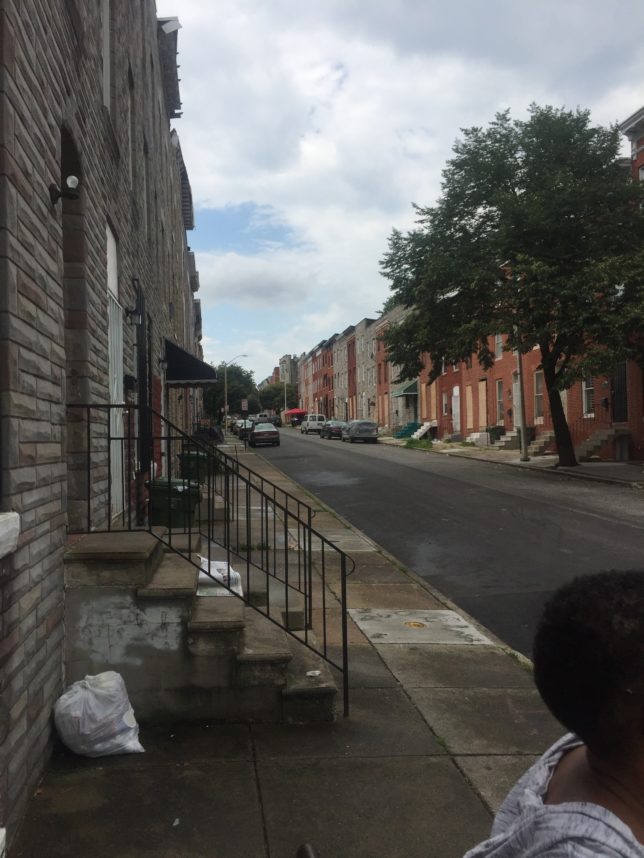
View from the corner store where the security footage was said to come from. The lot is across the street from the trees in the far distance.
Suiter’s shooting – 4:35pm or 4:36pm
On November 22, Davis acknowledged that Suiter was shot with his own weapon. In fact, he said, Suiter recorded it happening:
There is a radio transmission, a very brief radio transmission made by Detective Suiter. It was about two or three seconds. It is unintelligible right now. We don’t know exactly what he said, but he was clearly in distress. The FBI is working with us to enhance audio of that radio transmission. And in the background… was the apparent sound of gunfire… Detective Suiter had his radio in his left hand. And we know when we found Detective Suiter – and again, we have have body worn video of the responding patrol officers… [that his] radio never left his left hand.
From the beginning, there were odd details around this call. (It wasn’t captured by the public scanner that roams the dial looking for activity, so the public has not heard it.) For one, Davis expected citizens to believe that, in a struggle for his life, Suiter chose not to use both hands. Also, if this call was supposed to be a cry for help, then Bomenka was around the corner with a firearm. Suiter could’ve called out to him. And gunfire is loud; the radio was in Suiter’s hand; shots would not be heard in the “background.”
By December 1, Davis seemed to somewhat walk back on the existence of this already uncertain call, in his characteristic way:
The radio transmission that is unintelligible — and the FBI made every effort to enhance it, and they can’t enhance it — it’s still, to me, a two-, three-second radio transmission made by Detective Suiter that is clearly made in distress.
“To me”… Davis continued to refer to this call in exactly this way, as something that was his personal belief.
As for the detail that Suiter’s radio “never left his hand” after he was shot, this may have been a medical miracle. Fenton and Rector described the trajectory of the bullet that killed Suiter: It “entered behind his right ear and traveled forward, exiting from his left temple.” According to Walter Reed trauma specialist Lyz Moore, if that trajectory is accurate, then Suiter “would have lost the ability to keep his hand clutched”:
If there is disruption of the corpus callosum – the bridge in the middle – then messages from right to left or left to right can’t go through. It in effect cuts the phone lines. The left brain can’t send or receive messages from the right hand and vice versa.
Two days after Davis first announced the existence of this recording, CBS21, a local Harrisburg, Pennsylvania station (near where Suiter lived) claimed to have obtained it.
“For the first time we’re hearing recordings of the last radio transmission from a Baltimore detective shot and killed last week,” anchorman Albert Gnoza announced. Their three-second audio sounds like someone breathing heavily, followed by someone else saying “hello,” followed by the first person saying something like “yah.” The station’s audio ends there.
On the scanner archive, the same recorded call lasts another second longer, but it doesn’t end with a gunshot sound. It ends with a dispatcher calling out, “954, what’s the location?” 954 is a call number for a member of the Southern District. Less than a minute after later, the dispatcher issues a signal 13, or “officer in distress,” call, for “Frederick and Pulaski for 954 in the Southern.”
So the heavy breathing call wasn’t Suiter, unless everything we know about his death is completely wrong (a possibility). It’s understandable why someone might have thought so. It was related to a signal 13, just minutes before another signal 13 was issued for Suiter. The existence of the earlier signal 13 is certainly curious; it was cancelled one minute later. (In fact, at the same time, fire dispatch put out a call for all fire units to go to the same street at the same time; that call was cancelled immediately too.)
The existence of the CBS21 story is maybe more curious. I reached out to Gnoza. I asked if someone had sent them the audio or if their own investigators had dug it up. He responded with refreshing candor: “I’m assuming it was sent. We normally don’t dig too much. Lol.” So, someone leaked this audio to the station, but a truncated version of it that removed any reference to it being part of another call. (One lesson of the Freddie Gray case was that the false leaks get sent out of town.)
In a November 28 interview, Smith admitted that this call was not Suiter. The question remains of whether Davis ever thought it was. He had jumped the gun on evidence before.
View of the lot from around where Bomenka took cover. Suiter was said to be shot near the back left.
Bomenka’s 911 call – 4:36pm
Davis announced the discovery of surveillance video on November 22nd, which seems to have come from a corner store. It caught Bomenka making a phone call: “Upon the sound of gunfire Detective Suiter’s partner sought cover across the street and he immediately called 911,” Davis said. “We know this because it is captured on private surveillance video that we have recovered.”
Davis said that Bomenka used his cell phone to call 911 because he did not have his radio on him that day. This 911 call did not originally appear in the Open Source database of emergency calls, raising suspicion among some on Twitter:
At some point in the last two months, this call was returned to the database. At 4:36pm, there is an “Assist Officer” call for Bennett and Fremont:
As these two images show, many other calls around Suiter’s killing were removed in November 2017 and have since been restored. The database now shows another “Assist Officer” 911 call at 4:41pm for the same location.
Meanwhile, Davis’ revelation that investigators found security camera footage rang some suspicious bells for me. Back in April 2015, Davis announced that the Freddie Gray task force had discovered a third stop on security camera footage from a corner store. It reportedly showed the van driver pulling over to check on Gray, then getting back in the van and continuing to drive. The video played a big role in the medical examiner’s findings and the charges against the driver.
When the footage of the third stop was finally played in court, it had no time and date on it, and it didn’t definitively show Goodson. It was entered into evidence as a video of someone filming a video being played on a screen. So, it would be helpful to verify the authenticity of the security video in the Suiter case.
Signal 13, Officer in Distress – 4:38pm
At 4:38pm (sometimes misreported), the dispatcher issued a signal 13, which called all available officers to the scene. Her description of Bomenka’s 911 call stands out:
Be advised in reference to the signal 13. It says, call reported that his partner got shot. No description of the suspect. No further. Be advised. It came in with a name. It said “off-duty.”
The dispatcher may have misheard or mistyped. Otherwise, Bomenka announced himself as “off-duty.” He didn’t provide his identity. Davis had said that Bomenka was on duty, investigating a case. Maybe he was off-duty. He didn’t have his radio. Or maybe someone else called in the shooting, who didn’t want to be identified. If it was Bomenka, he also didn’t provide any information about the shooting. Officers typically communicate a lot of information during a high-priority police event, and this event was of the highest priority.
University of Maryland call – about 4:39pm
Almost two minutes after the dispatcher announced the signal 13, she announced that Bomenka was headed to University of Maryland (UM) Shock Trauma, about a mile away: “Central city dispatch to the University of Maryland… At trauma, be advised, I’m going to have an officer enroute to the location… We’re gonna need to start shutting down some streets for the medic.”
This is where the timeline gets extremely fast. Smith said that officers arrived wearing body cameras “within two minutes” of the signal 13 and filmed Suiter on the ground. But Bomenka was already planning to leave within two minutes of the signal. Within three to four minutes, they were in a car accident. Davis and Smith benefited from some of these times being incorrectly reported by media, including an earlier signal 13.
First responders – 4:38pm-4:40pm (unclear)
Perhaps the haziest aspect of the timeline involves the first responders to the scene, by which I mean officers who arrived before Bomenka left with Suiter. On November 17th, Smith said, “Officers arrived on scene pretty much immediately. And based on where they were, they felt that they were in a better position to take Detective Suiter to the hospital quickly to Shock Trauma.” Davis praised their “split second” decision to not wait for a medic.
Usually, Davis and Smith spoke about multiple first responders, with multiple body cameras that filmed Suiter on the ground. But on occasion, they made it seem like there was only one. “The officer called 911 and dispatch immediately summoned other police officers and medics to the location,” Smith summarized. “The first arriving police officer got there. They loaded Detective Suiter into the car.”
A patrol officer is sometimes mentioned, but nobody else. A civilian witness described to WJZ seeing one responder with Bomenka, though the interview is rather short. (BPD interviewed many witnesses and did not share any of their accounts with the public.)
These first responders – their statements and body cameras – have been very influential to the public’s understanding of Suiter’s death and theories of his death. Their actions are incredibly fast and, like Bomenka, they do not have much presence on the radio. I couldn’t make out their call numbers. At the least, we should be told how many officers responded initially and at what times. Again, there is supposed to be security camera footage. It shouldn’t be a mystery.
Second wave of responders – arrived by 4:42pm
By 4:42pm, several officers are heard on the radio at Bennett Place. A supervisor tried to get control of a confusing situation:
I’m not sure what house we’re looking at but apparently there’s an armed person inside of, uh, Bennett Place… We don’t know if it’s from a house or in the alley… We have officers in bad locations. Let’s everybody take cover somewhere. Okay? Get away from them windows… Because we don’t know where the shots came from. Everybody get covered until we figure this out please.
This supervisor became increasingly frustrated. By 4:50pm, he still did not know anything:
We still have a possible armed perp here… Officer was not able to speak on where it came from. We don’t know if it was on foot, in the rear alley, or from one of the houses near the window. We’re not sure. No 10-36.
At one point, some officers noted that Suiter’s “radio and weapon” were left behind. One officer located them “back there where he got hit.” Bomenka could have left the gun and radio behind to preserve the crime scene. In that case, someone probably stayed behind to guard it, maybe the officer who knew where Suiter “got hit.”
In other words, either Bomenka left the gun unattended or someone on the scene at this point had interacted with him. Yet, nobody could say if the shots came from the ground or a window. Later, Bomenka told investigators that the shooter must have fled from the back of the alley.
Accident – about 4:41pm to 4:42pm
The patrol car carrying Suiter got into an accident about a mile south of Bennett Place with a UM police car that was trying to help clear a path for him. “I don’t know which way they’re coming,” the dispatcher announced just before. The accident also involved a black car, an SUV, and some pedestrians. It’s unclear exactly when the accident happens. An ambulance identifies itself at that intersection at 4:41pm; by 4:43pm, choppers were being called to the scene.
Bomenka’s vehicle made a left turn from Martin Luther King, Jr Blvd onto West Baltimore St., where it must have run into the front of the black car. Someone on the radio described trauma to the “left outside door” of the patrol car, as shown by a news report at the time.
Overall, Bomenka’s radio silence led to safety issues at both locations. He didn’t have his radio on him, but at least one patrol officer arrived with a radio and the car that transported Suiter to the hospital. Officers also have direct phone numbers for dispatchers. Someone was able to call in that he was headed to the hospital, just not in which direction. It’s never been made clear if someone was in the car with Bomenka and Suiter. It’s another conspicuous hole in the story.
All of these issues were reviewed by Seth Stoughton, law professor at the University of South Carolina, former police officer, and policing expert. He learned that Bomenka didn’t have his radio on him; didn’t provide any information on the ground or the radio; may not have provided his identity; took Suiter from the scene, leaving the gun; and got into an accident. The story gave Stoughton pause: “I can understand extreme panic leading to a series of isolated missteps,” he said. “But Murphy’s law aside, it’s not the case that everything can go wrong would go wrong. I would expect something to go right.”
UPDATES (September 2018):
In August, an Independent Review Board released a report following a months-long investigation into Suiter’s case. BPD released audio and video evidence at the same time. Interestingly, both leave out much of the information above gathered from dispatch calls. There are no details provided about the 911 call, the UM call, or the multi-car accident. The video from the convenience store is not included.
However, the report and evidence do provide some clarification on some of the details above. For one, Suiter’s gun and radio cannot be seen clearly on video in his hands, heading into the lot. Anonymous police sources fed this misleading information to the Baltimore Sun.
Another surprising revelation is that Bomenka did not join Suiter on the trip to the hospital. Rather, he stayed behind on the scene and, as indicated by dispatch, was not able to provide any information at all. Later, he offered a comprehensive narrative to investigators.
Finally, audio was released of Suiter’s reported last call. It does sound like possible “distress” followed by one rather loud gunshot, though not in the “background” as Davis described.The audio from the earlier Signal 13 that was sent to a local Pennsylvania TV station remains a mystery.
The Israel-Hamas conflict continues to escalate. On July 20, Hamas shot at Israel Defense Force (IDF) soldiers, prompting Israel to respond with airstrikes against the terror group.
The shooting took place at the Israel-Gaza border, where Palestinians began shooting at IDF soldiers during a Hamas-led riot at the border. Israel retaliated by striking eight Hamas posts throughout the Gaza strip, killing at least three Hamas terrorists.
The IDF tweeted the following about the situation:
IAF jets recently conducted a wide-scale attack against Hamas military targets throughout the Gaza Strip following a severe shooting attack against IDF soldiers this afternoon. The IDF is currently conducting the attack in various locations
The IDF views today's attack and the hostile activity orchestrated by Hamas throughout the last months with great severity. Hamas chose to escalate the security situation and will bear the consequences for its actions
The day prior, Israel launched airstrikes against Hamas in response to the terror group’s repeated use of incendiary kites and balloons against Israelis, which killed one Hamas terrorist. Hamas then launched rockets and mortars toward Israel; no injuries or damage were reported.
Israel has warned that it will invade Gaza if Hamas doesn’t cease its use of incendiary balloons and kites against Israelis.
“Hamas leaders are forcibly leading us into a situation where we will have no choice, a situation in which we will have to embark on a painful, wide-scale military operation,” Defense Minister Avigdor Liberman said in Sderot on July 20. He added that such an operation could result in a longer, more painful war than the 2014 conflict.
When I was growing up, I was a fiercehopscotch competitor on the schoolyard. We didn’t have permanently painted hopscotch courts, so I would have to smuggle out chalk from the classroom to draw them at recess. If only I knew how to whip up my own sidewalk chalk back then. It’s actually very easy to make, and all you need are some simple ingredients and a mold.
What you’ll need: Plaster of Paris
Water
Disposable cups
Craft sticks or plastic spoons
Tempera paint
Silicone mold
1. Mix one cup of plaster of Paris with 3/4 cup of water in a disposable cup. Stir the mixture with a craft stick or plastic spoon until the plaster of Paris has dissolved. You’ll want to make a separate cup for each color you use.
2. Stir in some drops of tempera paint to each cup of plaster of Paris mixture. Start with about five drops and continue adding paint until you get the color you want. A handy tip: Even if you’re making white chalk, add white tempura paint so there’s enough white pigment in the chalk.
3. Pour the mixture into silicone molds. If you want to mix colors, allow one layer to begin hardening before adding another color. Allow the chalk to harden completely for 24 hours.
4. Remove the chalk from the molds. They slip right out if the molds are silicone. Wait another 24 hours before using the chalk to make sure it doesn’t crumble.
Jonathan Fong is the author of “Flowers That Wow” and “Parties That Wow,” and host of “Style With a Smile” on YouTube. You can see more of his do-it-yourself projects at jonathanfongstyle.com.
Maryl Lee Abrams died July 7 at 78. Survived by daughters Debra, Tami; son Alan; 10 grandchildren; 3 great-grandchildren. Mount Sinai
Daniel Barach died June 27 at 62. Survived by wife Terri; daughter Dana; sons Eitan, Michael. Eden Memorial
Elaine Dreyfuss died July 5 at 88. Survived by daughters Deborah (John Kopp), Cynthia “Cindy” (Joseph Daniels); son Larry (Sheila); 7 grandchildren; 5 great-grandchildren.Mount Sinai
Arthur Fradkin died July 2 at 96. Survived by daughter Judith; son Gary (Reggie); 4 grandchildren; 2 great-grandchildren. Mount Sinai
Sam Gershonovitch died July 5 at 80. Survived by wife Martha; daughter Tammy (Nathan) Berneman; son Ron; 2 grandchildren. Mount Sinai
Maryam Davoud Ghassab died June 17 at 93. Survived by son Jack Ermia. Chevra Kadisha
Leonard Goodman died July 6 at 89. Survived by wife Marlene; sons Bradley (Marissa), Michael; sister-in-law Lucille Giniger. Mount Sinai
Rita E. Heffron died June 22 at 89. Survived by daughter Jill (Derek) Hefron. Mount Sinai
Bernard Holdstein died July 1 at 73. Survived by daughter Nicole Holdstein-Singh; son David (Rebecca); 3 grandchildren. Mount Sinai
Charlene Paula Kersch died July 1 at 83. Survived by husband Allan; daughters Victoria “Vickie” Leigh, Deborah “Debbie” (Jeff) Kivitz; 3 grandchildren. Mount Sinai
Alfred “Al” Legget died July 5 at 86. Survived by sons Jerry (Shelly), Marc, Bob (Jeannie); 6 grandchildren; 1 great-grandchild. Mount Sinai
Jay Olins died July 4 at 82. Survived by wife Sally; daughter Torrey (Ethan) Olins Feffer; 2 grandchildren; brother Evan (Gwen). Mount Sinai
Doris Podersky died July 1 at 86. Survived by daughters Lori (Ted) Hunter, Janice (Kenney) Marcellino; 6 grandchildren; 8 great-grandchildren. Mount Sinai
Devora Halaban Silverman died June 30 at 91. Survived by daughters Sharon (Mark) Pollack, Gila (Mark) Rutta; son Jonathan (Jennifer); 7 grandchildren. Mount Sinai
Sarita Silverman Unger died June 19 at 91. Survived by daughters Joanne (Marshall) Ratinoff, Keren Hoover, Marcy Unger Campbell; 3 grandchildren; brother Barry. Mount Sinai
Joe Soble died June 20 at 61. Survived by wife Joselyn; daughters Heather Wolfe, Sheena (Mathew) Mesner, Tiffany (Joshua) Menendez, Sophie; 6 grandchildren; sisters Lori (Wayne) Beck, Lia (Larry) Benson, Leslie (Rich) Arnold, Sima (Ross) Miller; brother Gary. Mount Sinai
Sinai Temple’s Atid holds intimate Shabbat services and a dinner welcoming Rabbi Sam Rotenberg into its young professionals community. Rotenberg, known for his musical prayer leadership in a variety of communities, succeeds Rabbi Jason Fruithandler. Ages 21–39. 7:30–10 p.m. $10 for dinner. Dinner limited to the first 40 people to register. Sinai Temple, 10400 Wilshire Blvd., Los Angeles. (310) 474-1518. atidla.com.
“SHABBAT AT THE SHORE” Pray by the beach with Temple Akiba when the Reform congregation holds its eighth annual Shabbat at the Shore. Participants are encouraged to bring beach chairs, blankets and dinner for a picnic following services. 5:30–7 p.m. Free. Toes Beach, 6935 S. Trolley Place (end of Culver Boulevard), Playa Del Rey. Group gathers to the left of the lifeguard station. (310) 398-5783. templeakiba.net.
SHABBAT ON WHEELS Open Temple, known for its innovative approaches to Judaism, holds Bike Shabbat Shul Crawl. Participants roll through Venice while praying and enjoying surprise street performances. A BYOB (Bring Your Own Basket) Shabbat dinner is held at Washington Boulevard Pier. The event concludes with a bike ride through the Venice-Playa Del Rey neighborhood with Marcus Gladney, founder of the Venice Electric Light Parade. Fancy bike lights not included. 5:30 p.m. Free, with reservation. $20 bike lights available. Open Temple House, 1422 Electric Ave., Venice. (310) 821-1414. opentemple.org.
SAT JULY 21 TISHA B’AV IN THE VALLEY
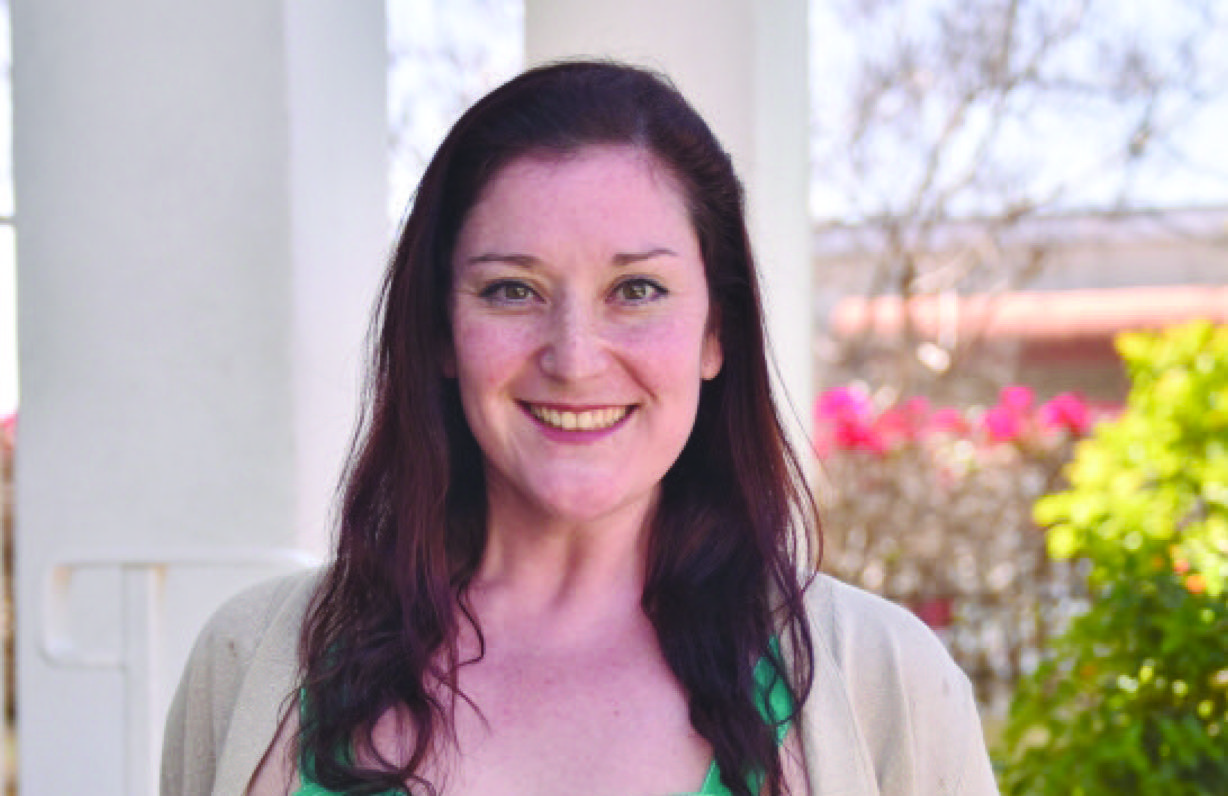
Rabbi Jessica Yarkin
Valley Beth Shalom, Adat Ari El and Stephen Wise Temple hold an evening of learning and services for Tisha b’Av. Once the fast begins, Rabbis Ed Feinstein, Jessica Yarkin and Sari Laufer discuss, “When It All Falls Apart: What Exile Taught the Jewish People.” The evening includes a megillah reading and Mincha/Ma’ariv. 6 p.m. Free. Valley Beth Shalom, 15739 Ventura Blvd., Encino. On Sunday, minyan held at 8:30 a.m., 2 p.m. and 6 p.m. (818) 788-6000. vbs.org.
TISHA B’AV IN PICO-ROBERTSON Synagogues IKAR, Temple Israel of Hollywood and Shtibl Minyan unite for Tisha b’Av after sundown. The evening includes learning led by IKAR rabbinic fellow Keilah Lebell, a candlelight service, the chanting of Eikhah (the Book of Lamentations) and Ma’ariv. As Tisha b’Av tradition calls for sitting on the floor, participants may want to bring a pillow for comfort. 8:15 p.m. Free. Workmen’s Circle Cultural Center, 1525 S. Robertson Blvd., Los Angeles. (323) 634-1870. ikar-la.org.
“SIDE BY SIDE BY SONDHEIM” A musical revue featuring the songs of award-winning Broadway and film composer Stephen Sondheim up to 1976. The production includes music from “A Funny Thing Happened on the Way to the Forum,” “A Little Night Music,” “Follies” and more. Visit the website for dates and showtimes. $17–$37. Odyssey Theatre, 2055 S. Sepulveda Blvd., West Los Angeles. (310) 477-2055, ext. 2. odysseytheatre.com.
SUN JULY 22 TISHA B’AV NATURE HIKE Sinai Temple’s young professionals organization Atid holds a light nature walk by the beach, commemorating Tisha b’Av, the saddest day on the Jewish calendar. Ages 21–39. 9:30–11:15 a.m. Free. Will Rogers State Historic Park, 1501 Will Rogers State Park Road, Los Angeles. (310) 474-1518. atidla.com.
“A WING AND A PRAYER” Award-winning filmmaker Boaz Dvir’s documentary “A Wing and a Prayer” tells the story of American military aviators who, after World War II, risked their lives and their U.S. citizenship in 1948 to build an air force for Israel and to thwart what they feared would be an imminent second Holocaust. Dvir participates in a post-screening Q-and-A. 4 p.m. Included with museum admission: $15.50 adults, $12.50 seniors, $11.50 students. Museum of Tolerance, 9786 W. Pico Blvd., Los Angeles. (310) 772-2505. museumoftolerance.com.
TISHA B’AV AT TEMPLE BETH AM Temple Beth Am, IKAR, Temple Emanuel of Beverly Hills and B’nai David-Judea commemorate Tisha b’Av with serious discussion topics. Keynote speaker Gabrielle Birkner, co-founder and executive editor of the Modern Loss website, speaks on “Finding Comfort as Individuals and as a Nation.” Rabbis Matt Shapiro, Adam Kligfeld and Sarah Bassin lead these breakouts, respectively: “The Spirituality of Giving and Receiving Comfort,” “The Deep Meaning of the Root ‘Nachem,’ ” and “Seven Weeks of Comfort: When Prophets Stop Chastising.” 6:30 p.m. Free. Temple Beth Am, 1039 S. La Cienega Blvd., Los Angeles. (310) 652-7353. tbala.org.
MON JULY 23 “THE RIGHTEOUS GENTILE WHO SAVED MY FATHER” Marta Fuchs, author of “Legacy of Rescue: A Daughter’s Tribute,” discusses the multigenerational impact of Zoltan Kubinyi, a devout Christian and a second lieutenant in a World War II Hungarian army battalion. Among the men under his command was Fuchs’ father, who, due to Kubinyi’s intervention, survived a unit in which 80 percent of the men perished. Her father’s story of rescue came full circle when Fuchs and her brother took their children to Hungary to meet Kubinyi’s family. Fuchs shares this story at Kehillat Ma’arav. 7 p.m. Suggested $5 donation. Kehillat Ma’arav, 1715 21st St., Santa Monica. (310) 829-0566. km-synagogue.org.
TUE JULY 24 TORAH AND MENTAL HEALTH Beginning a two-night event on mental illness, Rabbi Sara Berman, manager of spiritual care at Providence Tarzana Medical Center, discusses “Mental Illness Through the Lens of Torah.” Berman examines what the book of Job says about depression and Jewish women who suffered from mental illness. The 45-minute presentation is followed by a Q–and-A moderated by Academy of Jewish Religion, California rabbinical student Jonah Sanderson. On Wednesday, clergy and leading mental health professionals participate in a roundtable, in which they share stories and provide resources for recovery. 7:45 p.m. both evenings. Free. Shomrei Torah Synagogue, 7353 Valley Circle Blvd., West Hills. (818) 336-4751. stsonline.org.
WED JULY 25 SAFETY AND SECURITY CONFERENCE The Jewish Federation of Greater Los Angeles’ sixth annual Community Security Initiative Safety and Security Conference provides a forum for community leaders, decision makers, their staffs, board members and constituents to find practical ways to improve security at Jewish institutions throughout the region. Security experts in the private and public sectors will speak. Refreshments and light snacks provided. 8 a.m.–12:45 p.m. Free. Jewish Federation building, Sanders Board Room, 6505 Wilshire Blvd., Los Angeles. (323) 761-8000. jewishla.org.
Goapele
THU JULY 26 GOAPELE Singer-songwriter Goapele, daughter of a South African activist father and a New York-born Israeli Jewish mother, draws on an array of genres, including R&B, soul, funk and hip-hop. Goapele, whose name in the African language of Setswana means “to move forward,” performs at the Skirball Cultural Center as part of the museum’s Sunset Concert Series. DJ Mamabear kicks off the evening at 6:30 p.m. Concert, 8 p.m. Free. Skirball Cultural Center, 2701 N. Sepulveda Blvd., Los Angeles. (310) 440-4500. skirball.org.
TU B’AV UNDER THE STARS
THU JULY 26 LOVEFEST Under a full moon and summer skies, eligible bachelors and bachelorettes give love a chance at the Pico Shul Tu b’Av garden party. Exotic cocktails, romantic live music and more. 7:30 p.m. $15–$50.Beverly Hills mansion on Mulholland Drive. Address provided upon RSVP. lovefest2018.evenium.net.
TU B’AV FESTIVAL Valley Village congregation Shaarey Zedek holds an evening for couples and singles celebrating Tu b’Av, the Jewish festival of love. A panel featuring Rabbi Jonathan Rosenberg, Rabbi Avi Stewart and Renah Hirsch examines what the Torah teaches about how to be strong, resilient and open to love no matter what. Stewart also delivers a special musical performance. A social hour with refreshments follows. Singles in each age group have the opportunity to meet and mingle in different areas of the shul.
7:30–10:30 p.m.
$18. Shaarey Zedek Congregation, 12800 Chandler Blvd., Valley Village. (818) 763-0560. eventbrite.com.
FRI JULY 27 POTLOVE SHABBAT Sinai Temple’s young professionals group, Atid, holds its fourth annual Tu b’Av Singles Potlove Shabbat, a dairy potluck dinner for Jewish singles in their 20s and 30s. Attendees should bring an item based on last name: A-H an appetizer; I-P an entrée; Q-Z dessert, wine or both. All items must be dairy or vegetarian. 7:30–10 p.m. Free. Private Beverly Hills home. Address given upon RSVP. (310) 474-1518. atidla.com.
From left: Larry Sass, Mark Exler, Rabbi Baruch Cohon, Yossi Dresner, Stacey Sass Cooperman, Steve Sass, Rudy Grossberg, David Nadel, Betty Ross and Peggy Jannol. Photo courtesy of Steve Sass
The 80th birthday celebration for Valley Beth Shalom (VBS)Ritual Director Yossi Dresner drew a standing-room-only crowd during the Conservative community’s daily minyan on July 12. Dresner also was honored at services at VBS on Shabbat morning, July 14.
Dresner, who has served as the b’nai mitzvah teacher for several generations of boys and girls, continues to teach the adult b’nai mitzvah classes at VBS.
VBS Senior Rabbi Ed Feinstein and VBS Cantors Herschel Fox and Phil Baron and other clergy and congregants participated in the celebration. The gathering also included a mini-reunion for Dresner with Rabbi Baruch Cohon, who discovered Dresner when he first arrived in Los Angeles from Israel in 1966, and with some of their students from Valley Beth Israel in Sun Valley, where Cohon was the cantor and Dresner taught prior to VBS.
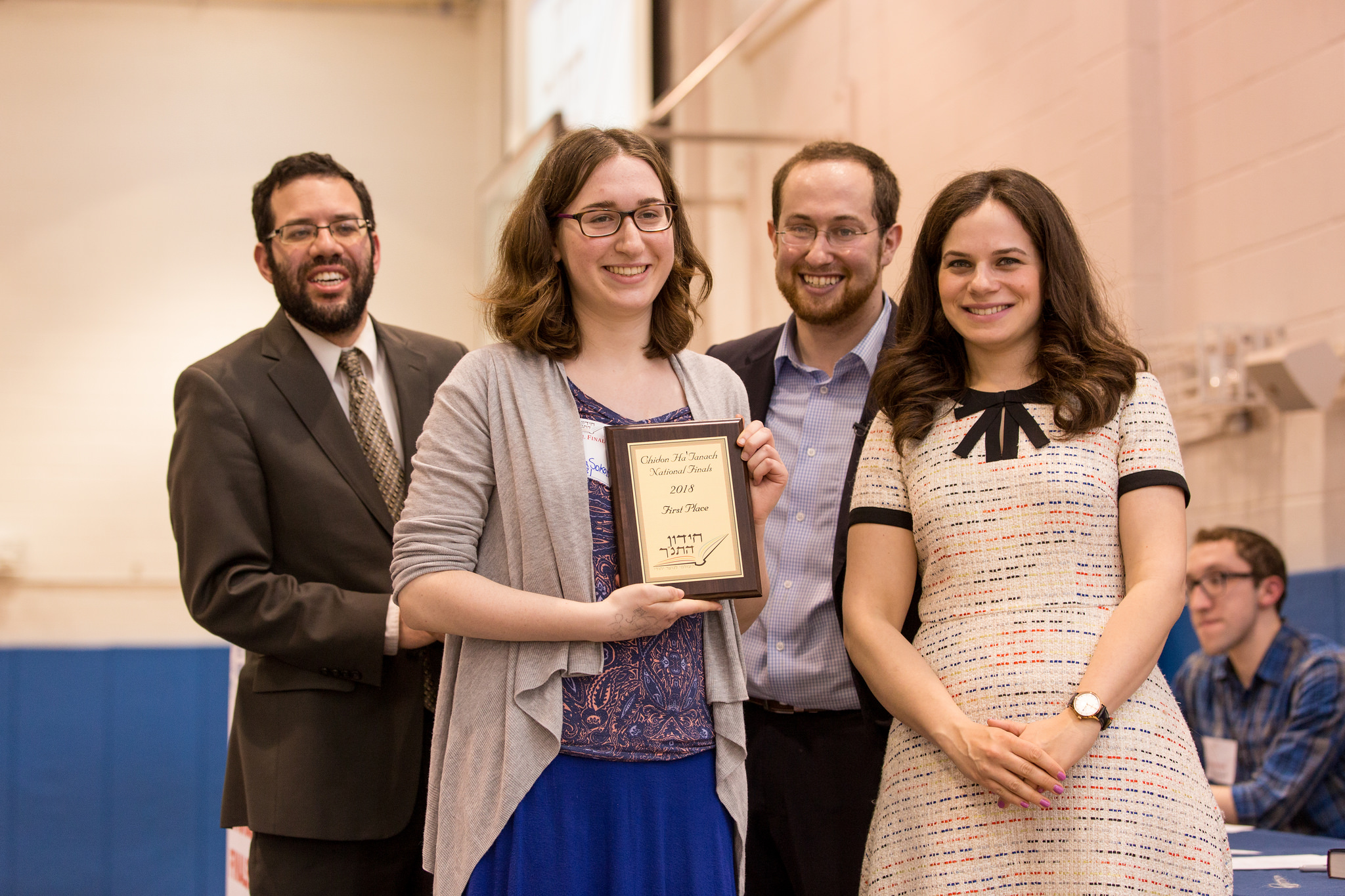
Elianna Sokoler (second from left), a student at Temple Aliyah in Woodland Hills, was among the top scorers at the recent national finals of the USA Bible Quiz. Photo courtesy of the Jewish Agency for Israel
Elianna Sokoler, a student at Temple Aliyah in WoodlandHills, was among the top scorers at the recent national finals of the USA Bible Quiz.
Sokoler, who competed against more than 200 youths, ages 14–18, was among four American students who advanced to next year’s International Bible Quiz in Israel. The national finals took place in New York on April 29.
The Bible Quiz, organized by the Jewish Agency for Israel and several Israeli governmental ministries and nonprofits, is a nondenominational event raising awareness among the general public about the importance of the Bible to Jewish identity and heritage.
“Good Shabbos, bar mitzvah boy,” Rabbi Yonah Bookstein said on May 19, a Shabbat morning, greeting 83-year-old Gene Greenberg at his familiar final-row aisle seat at the Pico Shul.
Minutes later, Greenberg stepped to the bimah and revived a latter-day Jewish custom.
“In Judaism, 70 years is considered a lifetime,” Greenberg explained. “When you are bar mitzvah at 13, you become a man. Seventy years later, after you have lived a full life, there is a tradition, now, that you should be bar mitzvah again.”
Greenberg approximated his bar mitzvah ritual from June 12, 1948. This time, however, he restricted his chanting to the opening and closing haftarah blessings. “With the voice I have now,” Greenberg said, “I could not get the trope down” to read the haftarah aloud.
A retired entrepreneur who owned several companies at different times, Greenberg said he became a millionaire at 27 and went broke at 30.
Married for 62 years, he and his academician wife, Miriam Greenberg, raised two sons and are pillars of Pico Shul, a community for singles and marrieds in their 20s and 30s.
Greenberg took a wending path to his landmark accomplishment. He became bar mitzvah the first time in a Conservative ceremony at the Flatbush Jewish Center in his native Brooklyn. With reluctance, Greenberg attended Hebrew school five afternoons a week. At home, he recalled, “religion was an incidental part of our lives.”
Dick Horowitz, co-founder of Aish HaTorah, Los Angeles, introduced the Greenbergs to religious Judaism. “He suggested we come to a service on Shabbos,” Greenberg said.
This exposure convinced Miriam Greenberg their future was in the Orthodox community. It would be another year, though, before her husband embraced her decision.
The Greenbergs are former members of Westwood Kehilla, where Greenberg has served as president.
“This may be hard to believe,” said the lifelong joke-teller, “but I do not like speaking in front of crowds. My hardest job as president was making announcements to the congregation.”
When he renewed his bar mitzvah at Pico Shul, he proved it. His speech was brief and (almost) joke-free. — Ari L. Noonan, Contributing Writer
From left: Eric Oberfield, Luke Pollock, Ryan Gagerman and Greg Small played a round of golf during a benefit for Jewish rehabilitation center Beit T’Shuvah. Photo courtesy of Beit T’Shuvah
Approximately 100 people enjoyed a round of golf at El Caballero Country Club on June 18 during an event that raised $159,000 for Beit T’Shuvah, a residential addiction treatment center based in Los Angeles.
Beit T’Shuvah, which incorporates Judaism into the rehabilitation process, works to ensure that those suffering from addiction have access to recovery, regardless of their ability to pay.
Event sponsors included The Antin Family/VCA, Beit T’Shuvah Senior Rabbi Mark Borovitz; Harriet Rossetto, founder and clinical director of Beit T’Shuvah; Steve Miller of Finance West; Gary Mintz; Ali and RyanGagerman; Meryl and Russell Kern; Frank Tell of Tell Mediation Services; Waxie Sanitary Supply; and the Webster family.
Janice Kamenir-Reznik, the new board chair of Beit T’Shuvah. Photo courtesy of Beit T’Shuvah
Beit T’Shuvah recently named Janice Kamenir-Reznik as its board chair, effective July 1.
“I am honored to serve this incredible organization,” Kamenir-Reznik said in a statement. “I have personally experienced its life-saving work and benefited from its services. Beit T’Shuvah provides a critical service to our community; we save lives every day.”
Kamenir-Reznik has been an active member of the Beit T’Shuvah community for many years, serving as the chair of the development committee and co-chairing the annual Beit T’Shuvah gala. A lawyer by profession, she practiced environmental real estate law for more than two decades before retiring to establish Jewish World Watch, an organization she co-founded with the late Rabbi Harold M. Schulweis to respond to genocide and mass atrocities.
“We are delighted that Janice has agreed to serve Beit T’Shuvah in this new role,” Beit T’Shuvah Executive Director Warren Breslow said. “She is an inspiring advocate for Beit T’Shuvah’s mission and the organization stands to benefit greatly from her leadership.”
She succeeds Russell Kern as board chair.
Rabbi Barry Diamond has returned to Temple Adat Elohim to serve as spiritual leader of the congregation, effective July 1. Photo courtesy of Temple Adat Elohim
After a three-year absence, Rabbi BarryDiamond has returned to Temple Adat Elohim (TAE), a Reform congregation in Thousand Oaks, effective July 1.
“We are thrilled to have Rabbi Diamond and his wife, Sandy, back to TAE and we welcome them with open arms,” TAE President Sandy Greenstein said in a statement. “He is well known here for his warmth, humor, and inspiring sermons that interpret the Torah through a contemporary lens. Rabbi Diamond made a tremendous impact on our community when he was here before, creating novel programs that encouraged members of all ages to form tighter connections to Adat Elohim, and inspiring greater participation in social action including the homeless shelter that we host weekly during the winter months.”
Diamond expressed enthusiasm about rejoining TAE to serve as its spiritual leader after previously serving as its interim rabbi from 2013–15. He said he was “honored to return to Temple Adat Elohim, this time for the long term. It is my mission to create circles of community that are the setting for exploring our sense of responsibility to each other and the world,” he said. “It is through caring connections around shared interests that we gain insight into God and feel called upon to repair our fractured world.”
Diamond has been the interim rabbi for the past two years at Beth Haverim Shir Shalom in Mahwah, N.J.
He was ordained at Hebrew Union College-Jewish Institute of Religion in Cincinnati.











 1. Mix one cup of plaster of Paris with 3/4 cup of water in a disposable cup. Stir the mixture with a craft stick or plastic spoon until the plaster of Paris has dissolved. You’ll want to make a separate cup for each color you use.
 2. Stir in some drops of tempera paint to each cup of plaster of Paris mixture. Start with about five drops and continue adding paint until you get the color you want. A handy tip: Even if you’re making white chalk, add white tempura paint so there’s enough white pigment in the chalk.
 3. Pour the mixture into silicone molds. If you want to mix colors, allow one layer to begin hardening before adding another color. Allow the chalk to harden completely for 24 hours.
 4. Remove the chalk from the molds. They slip right out if the molds are silicone. Wait another 24 hours before using the chalk to make sure it doesn’t crumble.
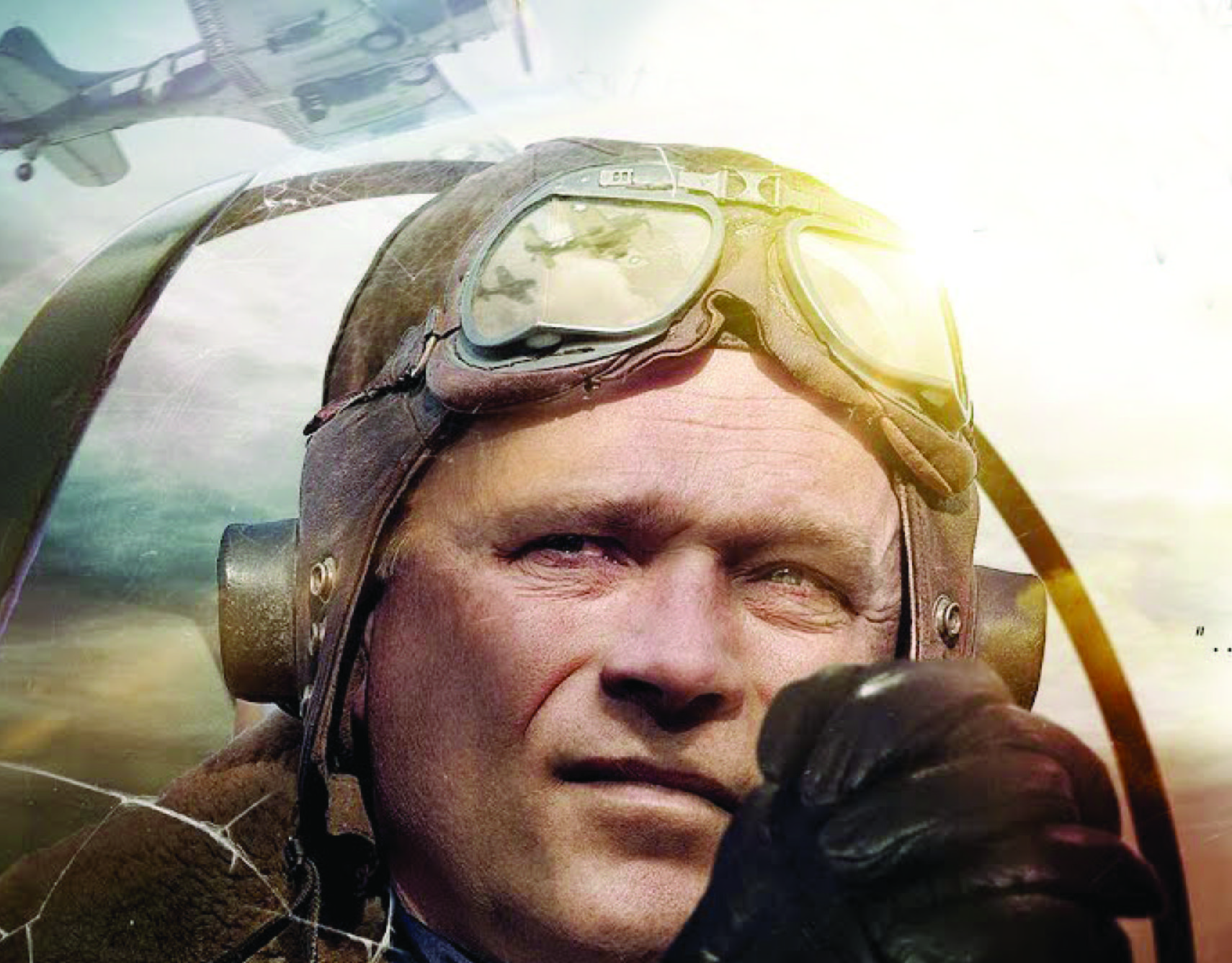 Award-winning filmmaker Boaz Dvir’s documentary “A Wing and a Prayer” tells the story of American military aviators who, after World War II, risked their lives and their U.S. citizenship in 1948 to build an air force for Israel and to thwart what they feared would be an imminent second Holocaust. Dvir participates in a post-screening Q-and-A. 4 p.m. Included with museum admission: $15.50 adults, $12.50 seniors, $11.50 students. Museum of Tolerance, 9786 W. Pico Blvd., Los Angeles. (310) 772-2505. museumoftolerance.com.
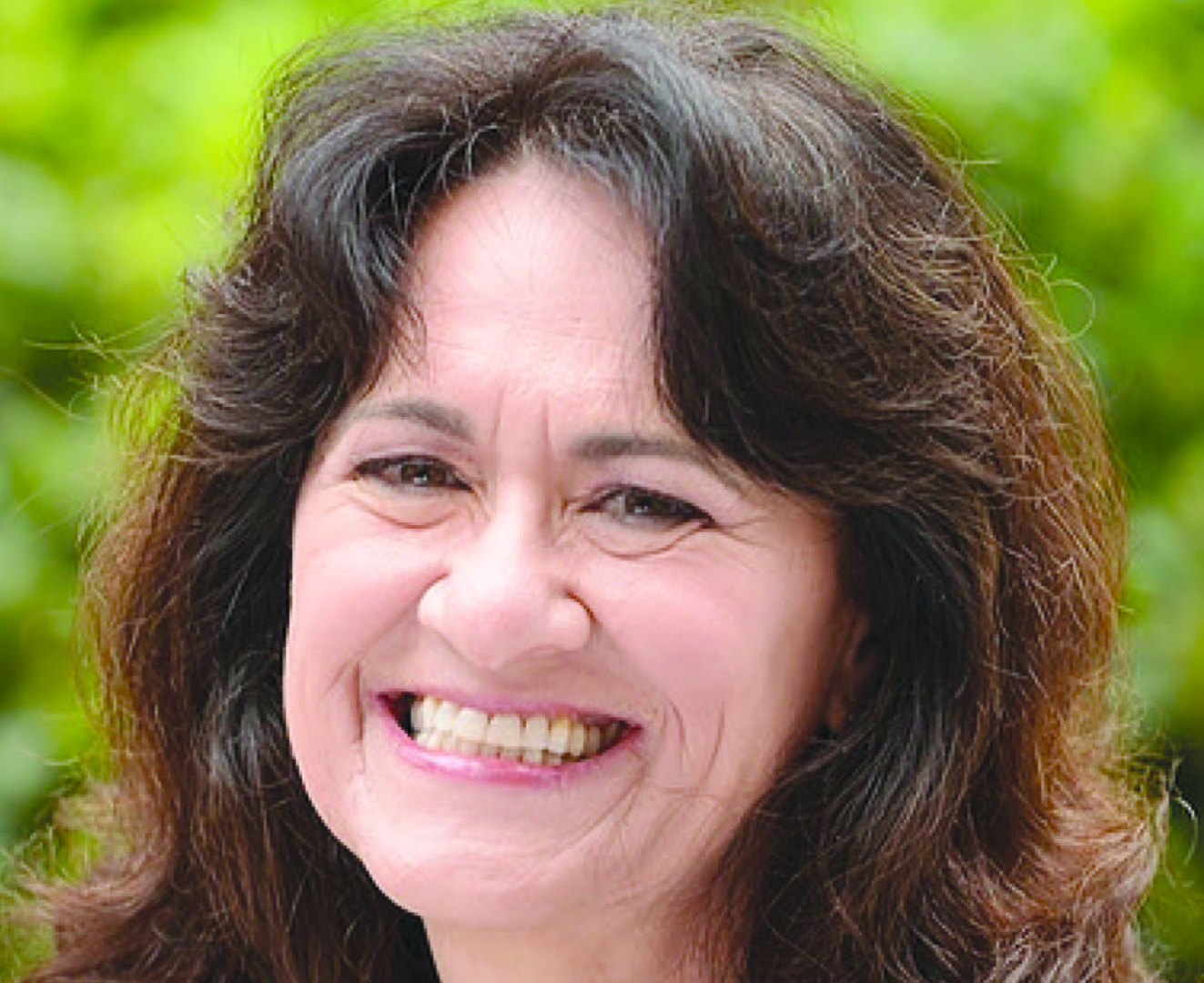 Marta Fuchs, author of “Legacy of Rescue: A Daughter’s Tribute,” discusses the multigenerational impact of Zoltan Kubinyi, a devout Christian and a second lieutenant in a World War II Hungarian army battalion. Among the men under his command was Fuchs’ father, who, due to Kubinyi’s intervention, survived a unit in which 80 percent of the men perished. Her father’s story of rescue came full circle when Fuchs and her brother took their children to Hungary to meet Kubinyi’s family. Fuchs shares this story at Kehillat Ma’arav. 7 p.m. Suggested $5 donation. Kehillat Ma’arav, 1715 21st St., Santa Monica. (310) 829-0566. km-synagogue.org.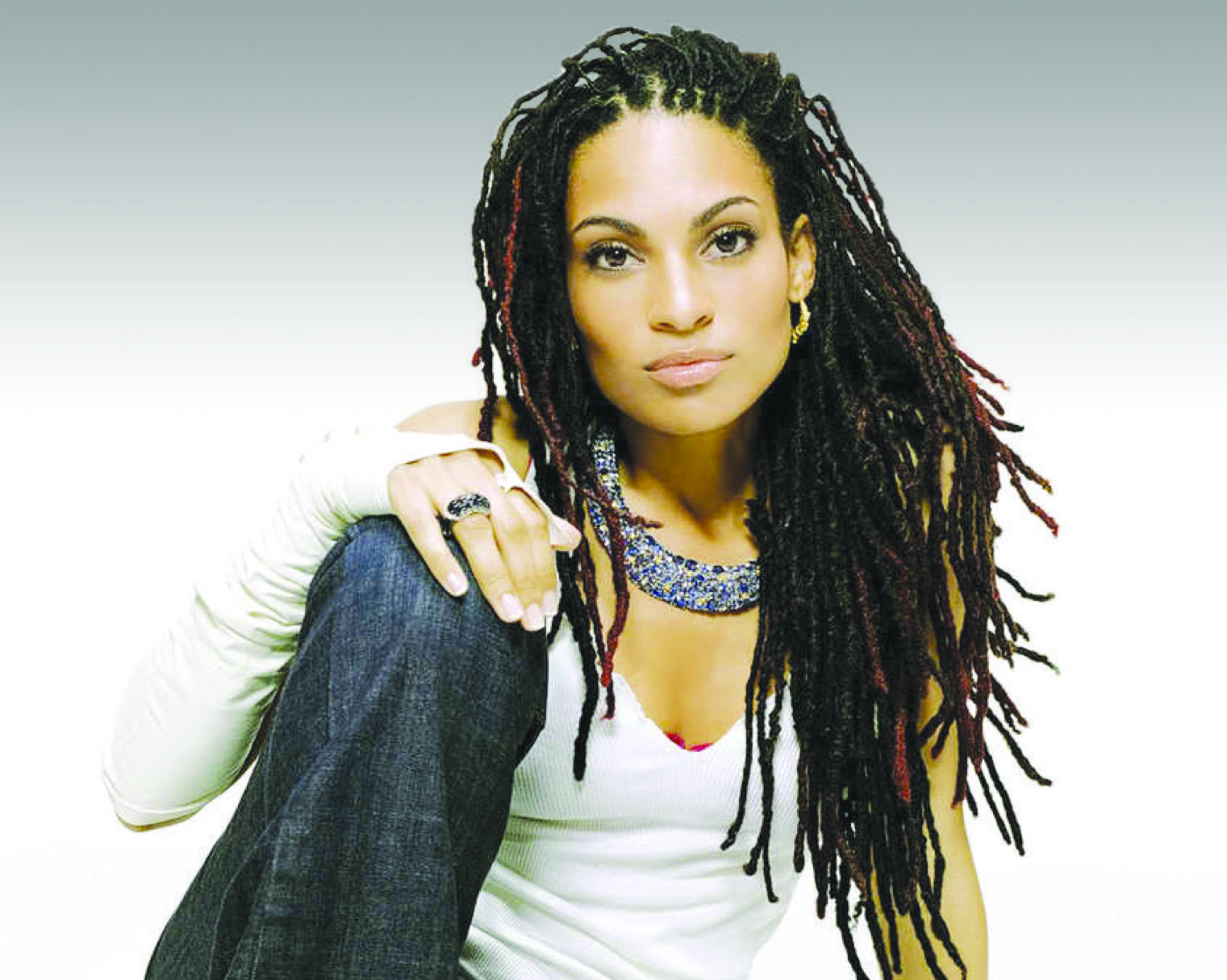
 THU JULY 26
 “Good Shabbos, bar mitzvah boy,” Rabbi Yonah Bookstein said on May 19, a Shabbat morning, greeting 83-year-old Gene Greenberg at his familiar final-row aisle seat at the Pico Shul.