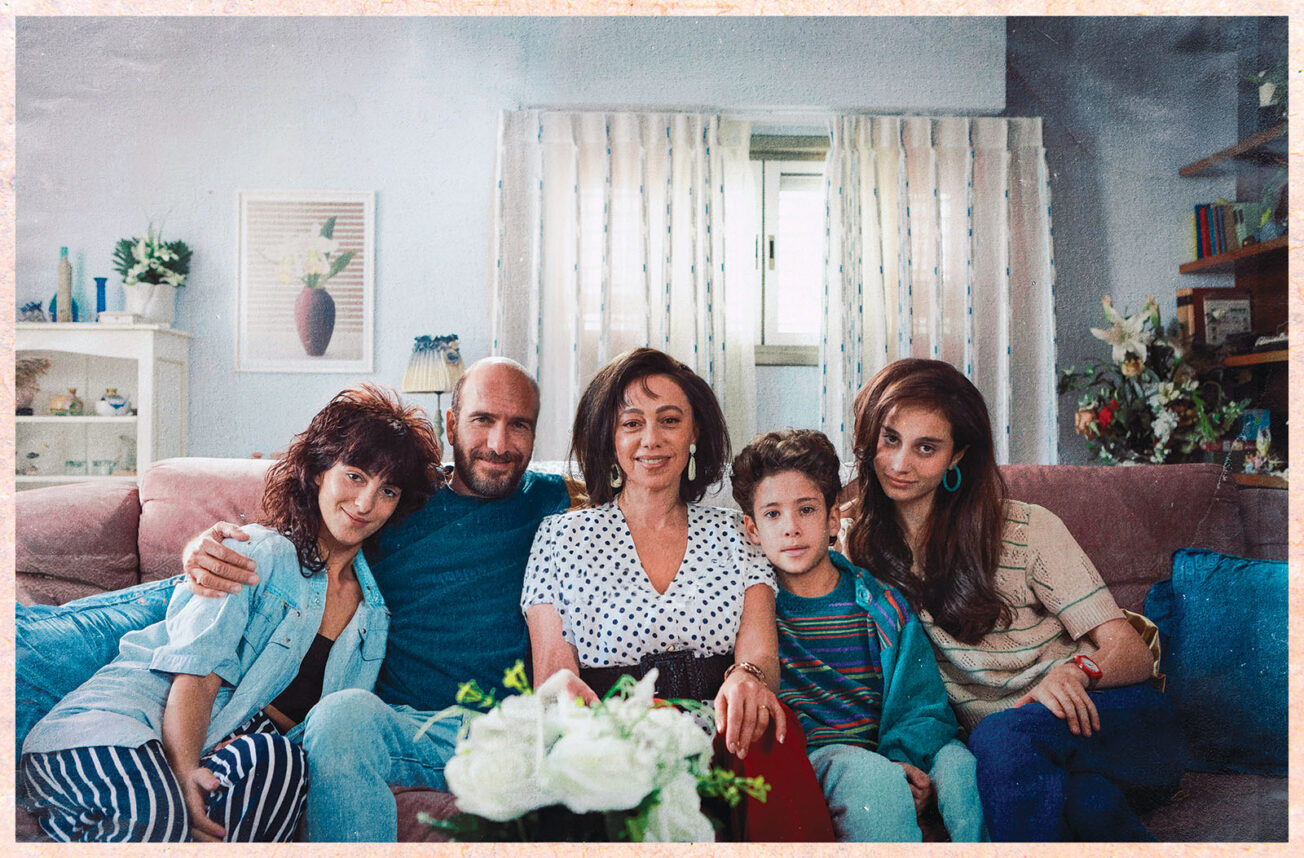
Fifteen years ago, I noticed something different about my two-year-old daughter, Sammy’s walk. She had a noticeable sway in her hips, a little diva move that seemed more cute than concerning. But when she struggled to keep up in gymnastics and dance, we took her to a physical therapist. After months of sessions, the therapist made a quiet suggestion that changed everything: “It would be nice to have a diagnosis.”
That comment launched a journey no parent imagines. After undergoing genetic testing, only possible because we enrolled in a study at the National Institutes of Health, Sammy was diagnosed with Limb Girdle Muscular Dystrophy Type 2I/R9, an ultra-rare muscle-wasting disease.
Today, Sammy is 17 — and working hard to be able to walk across the stage at her high school graduation next spring. Whether kids like Sammy can achieve their dreams depends on whether Congress renews the Pediatric Priority Review Voucher (PPRV) program, which expired in December 2024.
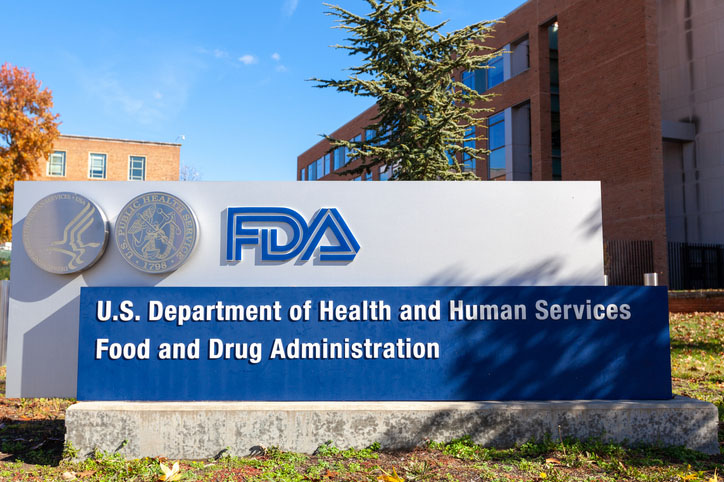
Created in 2012, PPRV introduced a much-needed incentive to spur innovation where traditional market dynamics fall short: rare pediatric diseases. It awards companies that develop and commercialize treatments for these conditions a transferable voucher for expedited FDA review of another therapy.
These vouchers can be used or sold, providing critical funding for small biotech firms. That capital supports continued research and development in areas where the patient population is so small that bringing a treatment to market might otherwise be financially unworkable.
For patients, the benefits can be life-saving. The program has helped bring dozens of treatments to nearly 40 rare pediatric disease populations — children who previously had few, if any, options.
The program also places no added burden on taxpayers. The FDA charges a supplemental fee — approximately $1.3 million in FY 2024 — when a voucher is redeemed, covering the resources required for accelerated review. It’s a rare policy that’s both budget-neutral and life-changing.
The need for renewal is urgent. Despite progress made in recent years, the vast majority of families are still waiting. Over 90% of known rare diseases — including LGMD2I/R9 — still have no approved treatment. When Sammy was diagnosed, there were no options. We were told that if we wanted something to change, we’d have to help make it happen ourselves.
So, we did. My husband Keith and I started a foundation, originally named after our daughter, but now known as CureLGMD2i. Our mission was to fund research and support other families facing the same challenges. Since then, we’ve contributed more than $1.4 million to help advance new therapies.
Finally, clinical trials are underway that could help slow or stop the progression of Sammy’s disease.
PPRV helps make that kind of progress possible. By encouraging investment in conditions that often struggle to attract attention due to their rarity, the program gives families like ours something that’s often in too short supply: hope.
Rare diseases don’t care about party lines, polling data, or who holds the gavel. They affect families in every district and from every walk of life. The PPRV program — and the push to renew it — is the kind of thoughtful, patient-centered policy Congress should be able to rally behind.
Every day of delay means another family facing an uncertain future, another child wondering if they’ll reach the milestones most of us take for granted.
Congress has the power to change Sammy’s life — and the lives of children with rare diseases across the country. I hope they use it.
Kelly Brazzo is the co-founder and CEO of CureLGMD2i Foundation and a Lancaster-based mom of a child with Limb Girdle Muscular Dystrophy 2I/R9, an ultra-rare and progressive form of muscular dystrophy. This piece originally ran in PennLive.