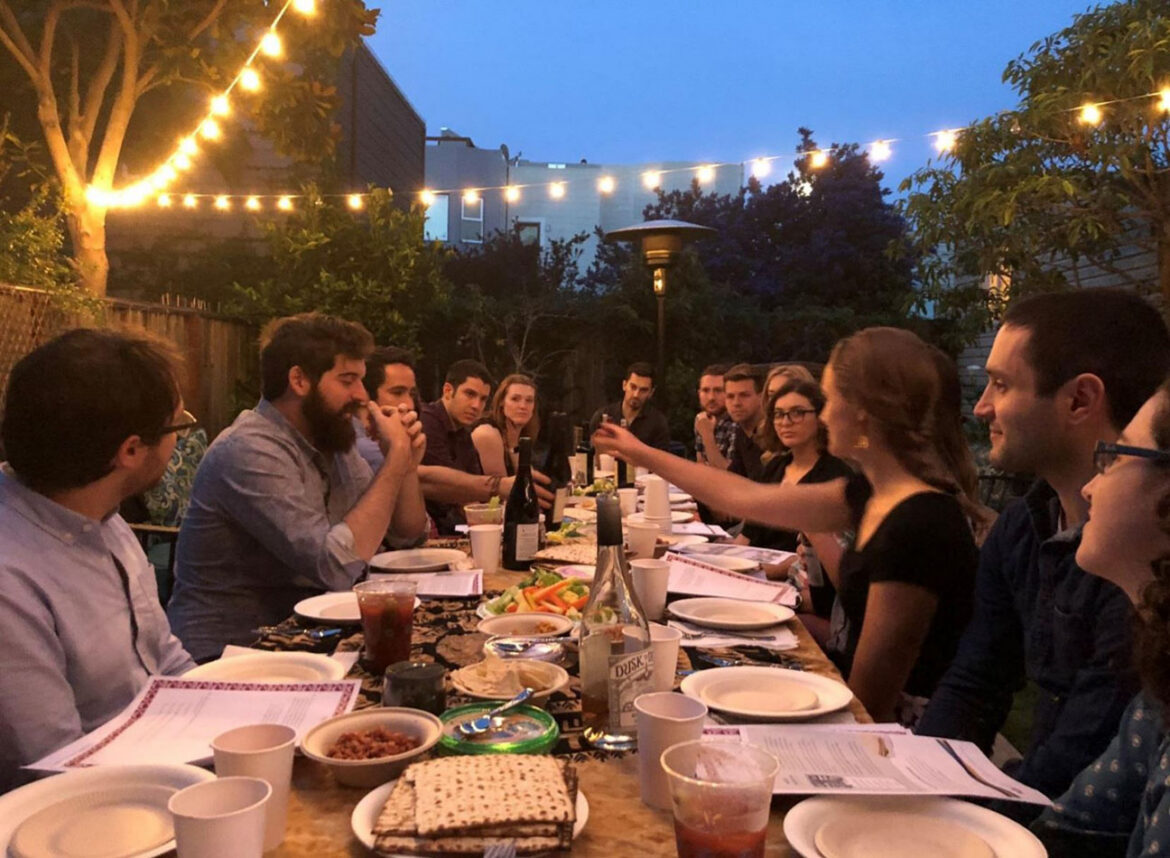
Rebecca Amato Levy was the matriarch and “keeper of the traditions” of the Rhodesli community in Los Angeles. For many years, she was a close friend of my mother in law Becky and Neil grew up celebrating the Jewish holidays with her. After Neil and I married, we hosted the family Seders and every Pesach, as long as she was alive, Rebecca was a treasured guest at our table. When we would sing the popular portions of the Haggadah in Ladino, she sang along, reciting each and every word by heart in her strong, clear voice.
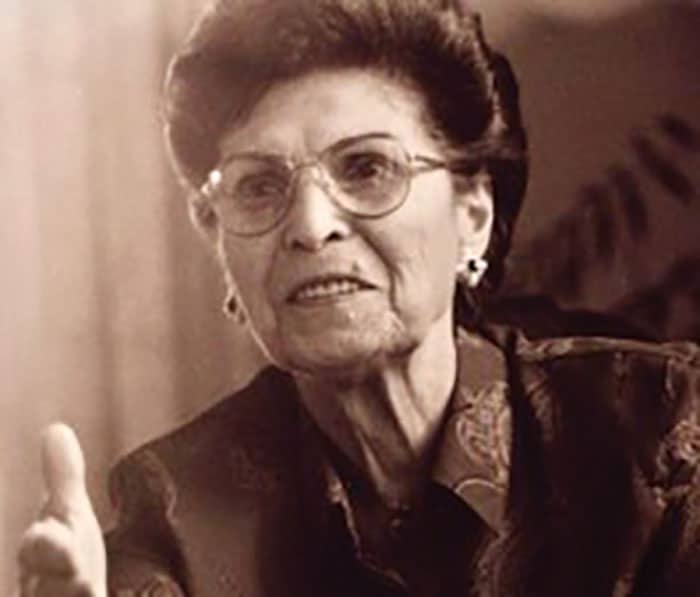
When Rebecca wrote her book “I Remember Rhodes,” she also became the official historian of the Jewish community of Rhodes. Her daughter Mati grew up hearing the stories of the unique and vibrant Jewish life on this little island in the Aegean Sea, just twelve miles off the coast of Turkey. When she married and had children of her own, Mati asked her mother to write down her memories. And then Mati went a step further and asked her mother to write in Ladino as well as English. So Rebecca wrote of the 27 glorious years she had spent in the “Juderia of Rhodes,” the Jewish Quarter. She wrote about Shabbat and the holidays, the rites of passage, the home remedies and the superstitions, the proverbs and old expressions and she wrote down the Ladino songs.
In 1995, her grandson Gregori Viens made a film called “Island of Roses” about his grandmother’s life, as well as the Rhodesli community of Los Angeles. In the film, we were privileged to recreate a Passover Seder in our home. Rebecca sits at the table along with our family, singing the familiar tunes. Her grandson captures her commenting in the film that she was always excited to join our holiday feasts because Neil was one of the few of the next generation who had learned the customs and tunes of the Rhodesli Jews. Poignantly, she added that it made her feel as though she was back in Rhodes.
Today, our Pesach Seder is missing the voices of this special generation who brought the traditions of centuries of Judeo-Spanish chanting to the New World. Songs that originated in the Middle Ages in Spain and were carried through their travels in the Ottoman Empire. Here in Los Angeles, those tunes and songs are still remembered by some. We certainly miss the robust “choir” that we used to have, with Rebecca at the center of it all. Everyone singing along around the table: “Este es el pan del afrisyon, ke komieron nuestros padres en tierra de ayifto” and “Ken supiense entendiense” and “Un kavritiko”. Fortunately, our children have learned these songs, so at least one more generation will keep these memories alive to transmit them to the next generation.
—Rachel
In her book, Rebecca writes that “for the Sephardim of Rhodes, Pesach was a holiday filled with happiness.” Preparations started six to eight weeks before the holiday and every room in the house was thoroughly scrubbed. The tapeties (Turkish throw rugs) were taken to the seashore, immersed in the salt water and then scrubbed with stiff brushes and spread out on the rocks to dry. Because this was an all day process, many families would get together, help each other and then picnic on the beach for the rest of the day while they waited for the rugs to dry.
One month before Passover, the community leaders would rent a public oven for the Passover baking. All the matzah (which was thicker and softer than the matzah we eat nowadays) was baked in these ovens and then sold to the families of the community. The Passover flour used for the masas de vino (wine cookies) and the gateau (Pesach cake) was also procured from the leaders. Whatever profits made were used to purchase food for the poor families in the community.
The weeks before Passover were filled with hard work and everyone pitched in. The young girls would grind all the salt, pepper, cinnamon, cloves and nuts using a stone mortar and pestle. A few days before the holiday, the women would begin the cooking. Menu items included keftes de prasa (leek patties), tomates reinados (tomatoes with a ground beef stuffing) and meginah de Pesah (a ground beef, egg and matzo soufflé).
Rebecca doesn’t write about the dark days of the racial laws imposed by Mussolini and the ultimate takeover of Rhodes by the Nazis. The deportation of the remaining 1,615 residents of the island on July 24, 1944 brought an end to the 500 year old community. Rebecca was fortunate enough to have emigrated to the Tangier International Zone in 1939. Spain’s Fascist dictator General Franco invaded and occupied the region in June, 1940, but his neutral status in World War II meant that the Jewish residents there were safe from the Nazis.
Rebecca settled in Los Angeles in 1946, where she lived the rest of her life.
—Sharon
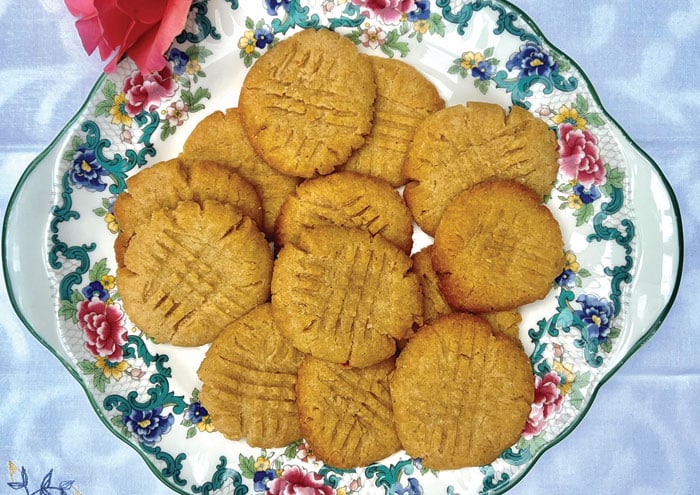
Every Passover, Rebecca would bring us a plate of her delicious masa de vino cookies. A tasty treat with a unique flavor, this unusual recipe calls for white wine. Also unusual is the fact that it requires no eggs.
Every Passover, Rebecca would bring us a plate of her delicious masa de vino cookies. A tasty treat with a unique flavor, this unusual recipe calls for white wine. Also unusual is the fact that it requires no eggs.
—Rachel
Masa de Vino Recipe
5 ounces safflower or avocado oil
4 ounces white wine
3 ounces sugar
8 ounces matzah cake meal (or matzah
meal ground in the food processor)
Preheat oven to 350°F.
Using a glass measuring cup, place all the ingredients in a medium bowl and combine with a wooden spoon or spatula.
Allow cookie mixture to sit for 5 minutes.
Roll into firm walnut-size balls, then flatten with your palm.
Place on a parchment lined baking sheet.
Use a fork to make a crisscross design on top.
Bake until slightly browned, about 20-25 minutes.
Cookies will remain fresh in a tightly sealed container for 5 to 7 days.
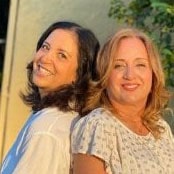
Rachel Sheff and Sharon Gomperts have been friends since high school. They love cooking and sharing recipes. They have collaborated on Sephardic Educational Center projects and community cooking classes. Follow them on Instagram @sephardicspicegirls and on Facebook at Sephardic Spice SEC Food.