






fbpx

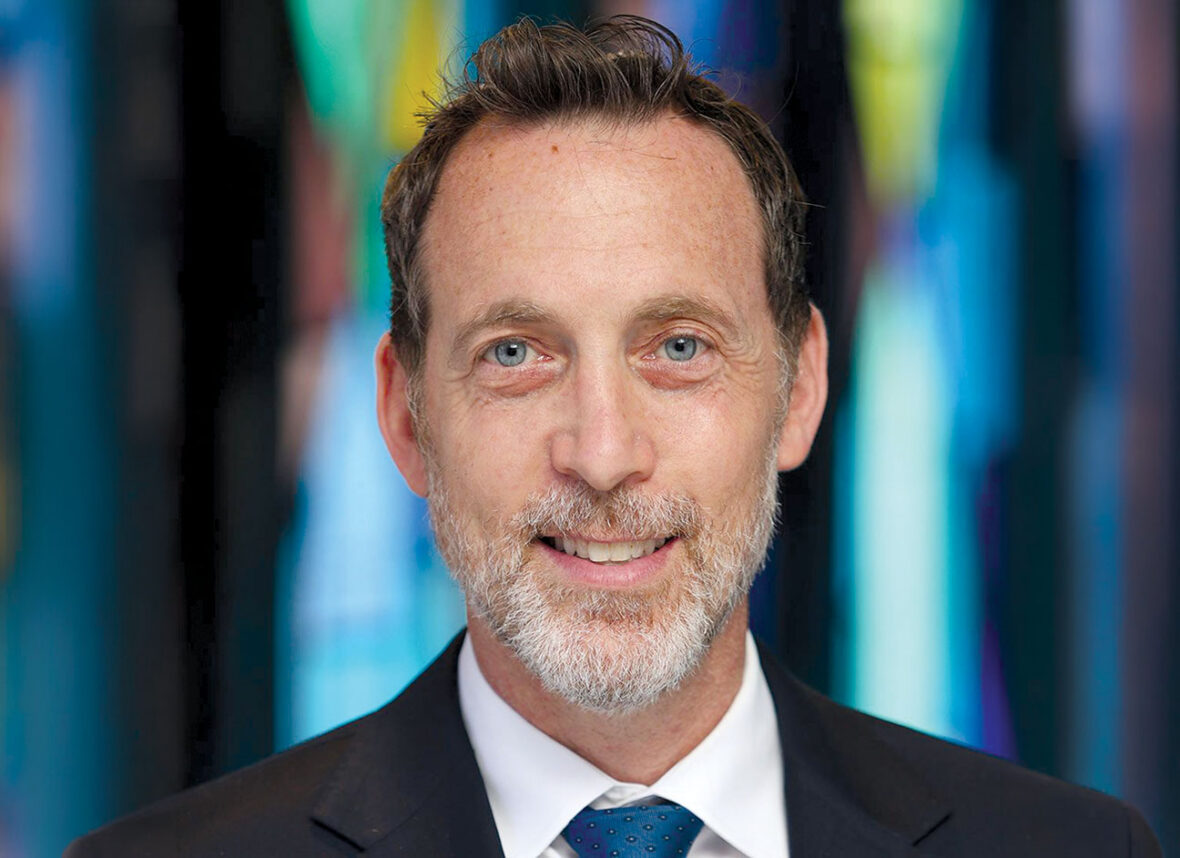
Israeli rapper Subliminal has built a music empire

The first song Ya\'akov Shimoni ever wrote was called, \"Genesis.\" The lyrics -- in English, Hebrew and French -- were about pollution, global warming, Mother Earth and the destruction of Israel\'s natural resources. It was 1997 -- long before \"An Inconvenient Truth\" became a blockbuster and the green movement reached an unprecedented level of hipness.

[additional-authors]
May 15, 2008

The first song Ya’akov Shimoni ever wrote was called, “Genesis.” The lyrics — in English, Hebrew and French — were about pollution, global warming, Mother Earth and the destruction of Israel’s natural resources. It was 1997 — long before “An Inconvenient Truth” became a blockbuster and the green movement reached an unprecedented level of hipness.

“I always wrote about things that are not cool,” said Shimoni, a.k.a. Subliminal, Israel’s reigning hip-hop mogul, who will be the headlining act at this year’s Israeli Independence Day Festival on May 18.

As a young Israeli rapper in the ’90s, he shopped his demo tapes around to various music distributors. He was given the following advice: “Don’t ever rap about politics again. It’ll never sell.”

Subliminal proved them wrong.

The stocky 28-year-old has built a multiplatinum music empire on songs that tout Israeli pride, serving in the army, the hope for peace and, during the height of the second intifada, a hawkish stance on the Israeli-Palestinian conflict. He is widely credited with being a founding force behind “Zionist hip-hop” along with his long-time rapping partner, Ha’tzel or “The Shadow,” one of several members of Subliminal’s powerhouse team of performers, the T.A.C.T. Family. In addition to Yoav Aliasi, other artists that have ridden the wave of success along with Subliminal include Shai 360 (Shai Hadad), Booskills, Sivan and Itzik Shamly.

Subliminal’s first album, “The Light From Zion” (2000), broadcast an unabashedly pro-Israel message to the world with songs like “Living From Day to Day.” The explicitly political lyrics were startling to an Israeli audience used to lighthearted dance beats. He received a harsh rebuke in the media, labeled an “extreme rightist” and a “producer of hatred music” by some, according to the rapper’s official biography. But his young audience, seething from rising violence in the streets, was surprisingly responsive and the album eventually went gold.

Plowing ahead, Subliminal became more provocative as his T.A.C.T. (Tel Aviv Street Team) label grew in influence with its own professional recording studios, street teams and Tel Aviv clubs. His single, “Divide and Conquer,” was lambasted by left-leaning Israeli journalists, but embraced by the public as a patriotic anthem to counter the raging intifada. In a public retort to the Palestinians’ demand for territory, Subliminal wrote “Biladi” (“My Land”), naming the song in Arabic so that his message would reach the desired target. In the song’s lyrics he asserts: “We’re here and we’ll never leave.”

Did you enjoy this article?
You'll love our roundtable.

Editor's Picks

Latest Articles

A Ka’ak By Any Other Name

A symbol of hospitality, families bake batches for holidays, family celebrations and visits with friends and relatives.

The Story That Never Goes Away

Rachel Goldberg-Polin, mother of slain hostage Hersh Goldberg-Polin, can’t stop speaking about her pain and the public love her body cannot always receive. She talks to the Journal about her son’s legacy and her new book.

Rosner’s Domain | A Dime-Store Abe: The Karhi Crisis

This week’s “Constitutional Crisis” is typical of the way the government operates. It issues a statement, or a tweet and then walks it back. Oops, we did not mean it. Or rather, we did, but we also meant to deny that we did.

Why Can’t We Be Friends?

If we want to see a less polarized society, both internally and beyond, we must emphatically reject the idea that political alignment is the predominant commonality for friendship.

Ruth-less, the Enigma of a Name

Jews spoke in two voices about Ruth, a kind of national schizophrenia, one with joyous chanting on Shavuos as the Book of Ruth was read; the other, removing her name from the chain-link of repeated names throughout the generations.

Honoring My Father: Saying Kaddish with Men

Saying kaddish every day tested my faith and commitment. It made me realize that there is no room for excuses. It taught me how to show up. It taught me that my voice can be heard, even when not expected.

The Yiddish Letter of American Liberty

Phillips’ letter – with its faith in Congress’ Declaration – now sits in display not far from the Liberty Bell and its inscription from the biblical book of Leviticus.

Searching for the Red Heifer

While there’s nothing wrong with keeping your eyes on the horizon for that magical heifer to appear, be sure to appreciate what you already have.

More news and opinions than at a Shabbat dinner, right in your inbox.