
One of Hitler’s first fiats in 1933 led to the dismissal of all Jewish professors from German universities.It was a staggering psychological blow for the Herr Doktor Professors, who from one day to the next tumbled from their status as revered mandarins of German society to jobless outcasts.
Many hoped for new careers in the United States but found that American universities, mired in the Depression and often rife with anti-Semitism, had little use for their talents, unless the name happened to be Albert Einstein.
One group of educational institutions, however, gave a welcome to many of the refugee scholars, the strictly segregated Black colleges of the deep South, shunned by white American academicians.
There could hardly have been a greater contrast between the urbane professors from Berlin and Frankfurt and their new students from the fields and ghettos of the South.
It is one of the merits of “From Swastika to Jim Crow,” a one-hour documentary airing Thurs., Feb. 1, on PBS station KCET, to humanize the gulf between professors and undergraduates and show how it was largely bridged through a common sense and history of oppression.
The refugees, transported suddenly from the bastions of European culture to Talladega College in Alabama and Tougaloo College in Mississippi, truly found themselves in a strange land within a strange land.
They were ostracized and threatened by white neighbors for entertaining “Negroes” in their homes, and later, during the McCarthy period, were grilled by state legislators as suspected socialists and “race agitators.”
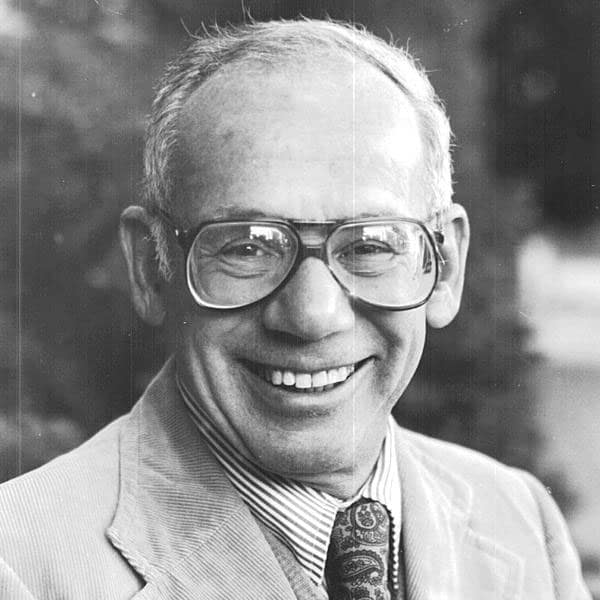
Most of the professors developed a warm affection for their students, and vice versa. Men like sociologist Ernst Borinski organized the first interracial seminars in Mississippi, inviting members of the surrounding white communities to Tougaloo College.
The students reciprocated in their own way. In 1950, when regents of Talladega College, under McCarthyite pressure, denied tenure to Prof. Fritz Papenheim, his students staged the nation’s first Black student protest by locking the regents into their sweltering meeting room.
Producer-director Lori Cheatle has gotten the story firsthand from some of the aging professors and their former students, among them artist John Thomas Biggers. The result is to preserve for the record a time and place when Blacks and Jews together as individual human beings rather than as political and ethnic symbols.
“From Swastika to Jim Crow,” produced by the Independent Television Service, airs Feb. 1 at 10 p.m. on KCET.
































