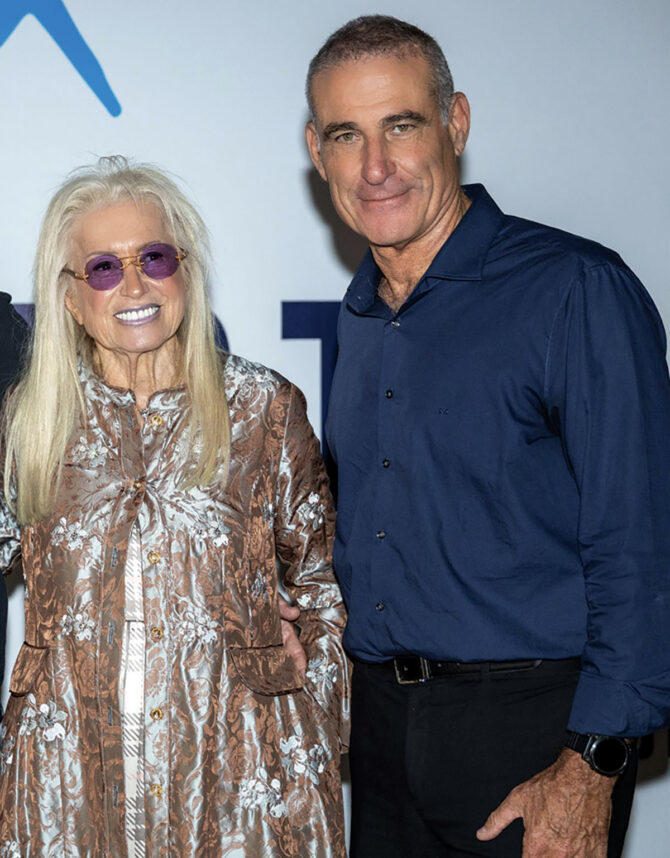

In 1982, Karen and Barry Mason bought the West Hollywood bookstore Circus of Books, which had a reputation as a source of gay literature and pornography.
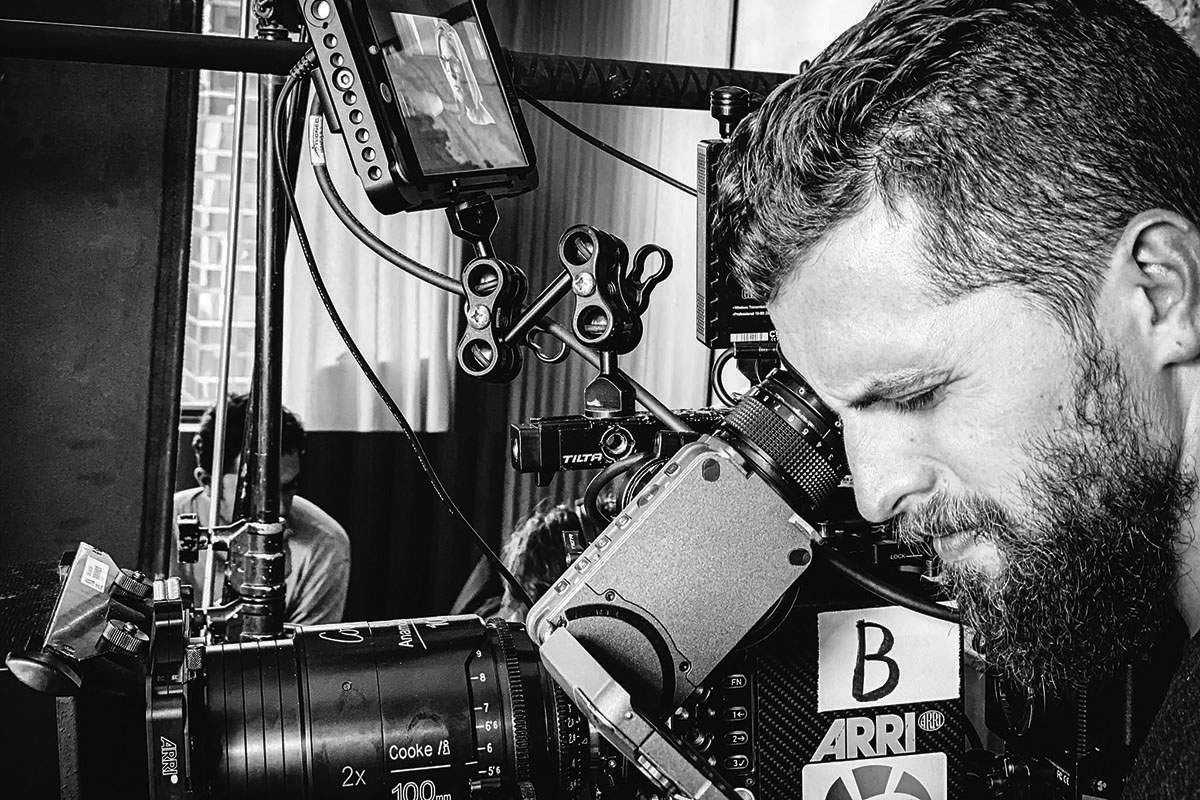
Now, “Circus of Books,” a documentary produced and directed by Karen and Barry’s multimedia artist daughter Rachel Mason (and which boasts TV juggernaut Ryan Murphy as an executive producer), tells their story. The film is now Oscar-qualified, Rachel told the Journal.
“We never expected to keep [the store] for very long,” Karen said. “We were going to just do this until we figured something out. We didn’t have the luxury [of not earning a living]. It was a good, legal business.”
However, the Masons ran the store until they were forced to close it in 2019. Over the years, they lost colleagues and friends to the AIDS epidemic, weathered a Reagan-era obscenity charge that might have resulted in Barry’s incarceration, struggled with the coming out of their son, and witnessed the internet’s decimation of their business.
“My parents weren’t a part of the gay community. They were just doing what they thought was right. … I’ve been told that many people see it as a film about Jewish values and Jewish family values in the face of everything else.” — Rachel Mason
The film features interviews with the Masons, their employees, customers and key players in the adult film and publishing industry. Home video footage shows a family with three kids who were only mildly aware of the content at their parents’ store.
“I didn’t necessarily grow up around male nudity even though my parents traded in it,” Rachel said. “I saw it out of the corners of my eye in their garage or basement. My childhood experience was so divorced from the word ‘porn’ and nudity, it was just sort of like, these were products that my parents carried.”

Rachel said her “outsider crowd” of countercultural friends discovered the store and revealed her parents’ business. “Mom, in her classic way, downplayed it, [saying], ‘The store carries all kinds of things, like the New York Review of Books.’ People loved their mainstream magazines section, but it was really known for the adult side and also for the culture of men meeting each other.”
Karen’s Conservative Jewish identity ran deep. She kept kosher, the kids went to Hebrew school and Karen always belonged to a brick-and-mortar congregation, because “as a Conservative Jew, I felt it was important to financially support a place that had a daily minyan,” she said.
“The basic rituals of Judaism were baked into life,” said Rachel, who still “does Shabbat” with her parents every Friday night. But she found her mother’s observance too strict for her. “I found no place for myself in Judaism until I discovered the Reform movement, which allowed me to be who I really am.”
Karen’s faith was put to the test when she had to reconcile her understanding of Jewish law with her son’s revelation that he was gay. It was 2000, when very few Conservative congregations were actively welcoming gay members. “Religions are very slow to change,” Karen said. “Eventually, everybody came around.”
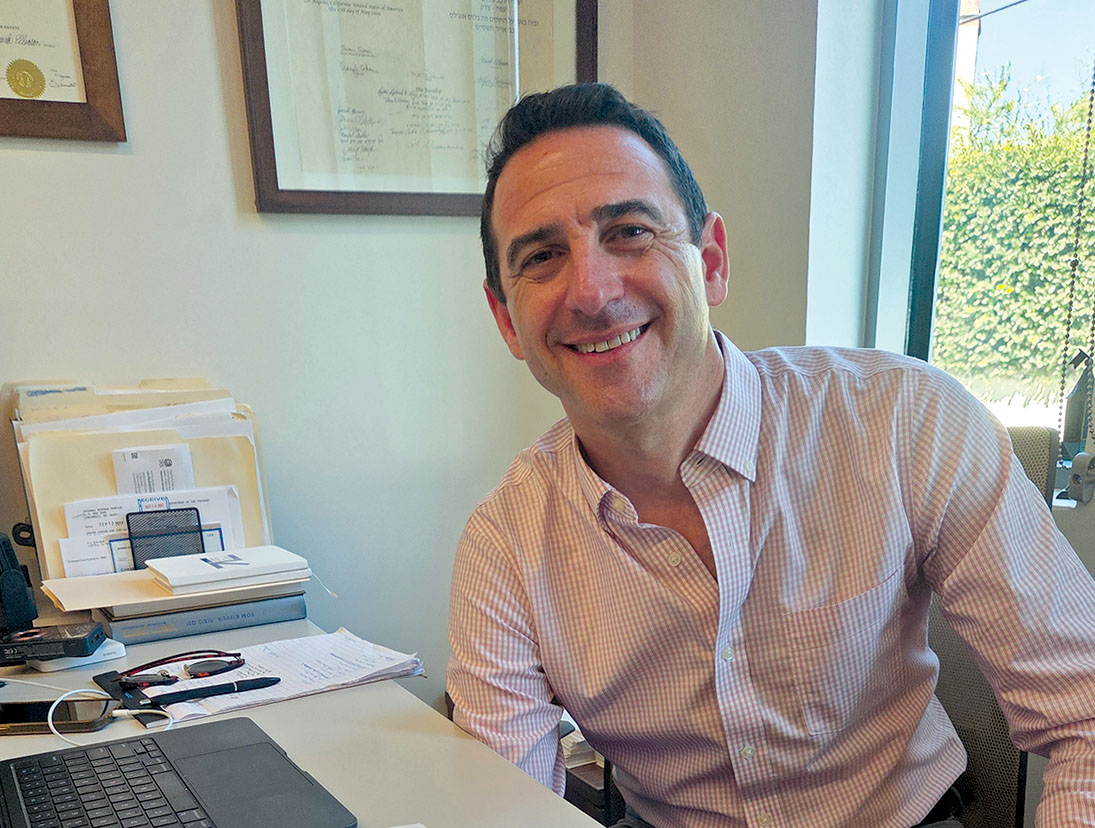
Jewish LGBTQ+ organization JQ International recently hosted a screening of the film and discussion with Rachel, Karen and Barry Mason and about 50 audience members. Karen’s journey was particularly moving, said Todd Shotz, co-chair of JQ’s board of directors.

“[Karen] told us how very attached she was to her more traditional Jewish home life and how she had to figure out a way to move past her previous expectations,” said Shotz, also a Jewish educator and film producer. “We all have our own Jewish journey and Karen’s journey in the film gave me incredible hope for the future of inclusion and acceptance.”
“There are still Jewish parents out there that need education on inclusion and acceptance within the Jewish community,” said JQ’s Program Director Anna Goodman. Goodman recommended the film to many Jewish friends and family members, including her parents, “hoping it will too encourage them to stand up for LGBTQ+ rights, and maybe become active in PFLAG (Parents and Friends of Lesbians and Gays), where Karen is on the board.”
Karen said that when the AIDS crisis began, “people called us heroes because we kept working with employees and customers who had AIDS,” noting that Barry visited at least two of their employees “and I don’t know how many tenants” in hospice during their final days. “That just seems to me basic humanity.”
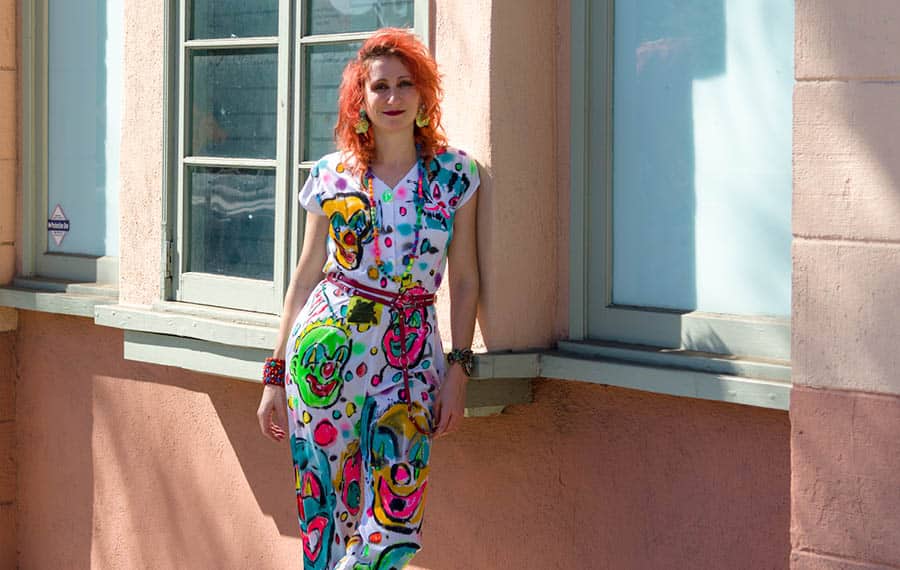
“My parents fought to be there when people had their dignity taken away by the government,” Rachel said. “My parents weren’t a part of the gay community. They were just doing what they thought was right. When you see my dad say [in the film], ‘I don’t understand how people can disown their children,’ that’s a fundamental Jewish value [in action]. I’ve been told that many people see it as a film about Jewish values and Jewish family values in the face of everything else.”
She added that part of the stigma against pornography is about religious values putting “a really strong judgment against sexual activity of all kinds.” The notion of homosexuality being a “violation of Jewish law” prompts an examination of the term, she added. “When you look at the Bible and you’re picking and choosing, which is the worst violation? The Ten Commandments says nothing about it. Homosexuality is in the giant pool of things that’s in the Bible. You’re allowed to stone your wife to death. It’s a painful reality that many people are homophobic and it’s a part of a cultural process of change that isn’t simply biblical.”
This moment demands positive messages, the filmmaker said. “The film represents gay people’s fight for visibility and acceptance and represents the Jewish struggle to be part of our cultural shifts, and a family simply trying to survive in America and fight the government. It’s important to have films that show us what it’s like to get through hardship, and show us that our culture and our country can change.”
“Circus of Books” is currently streaming on Netflix.