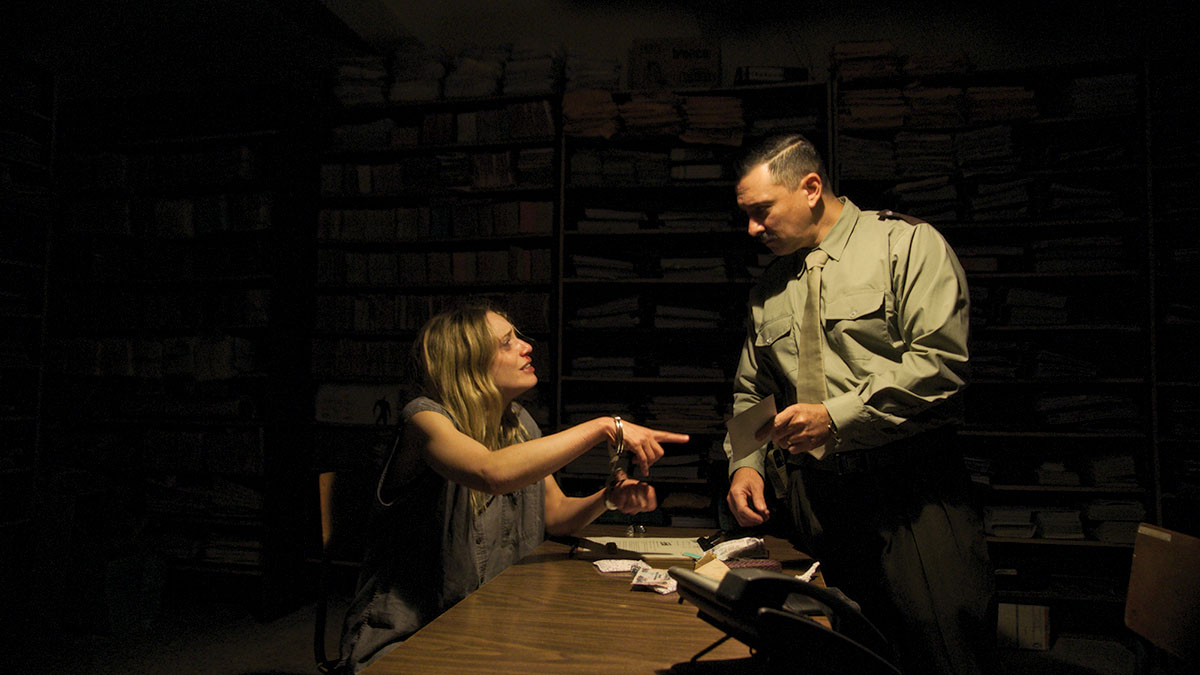
Four estranged Israeli army buddies who fought together in Lebanon reunite on a dangerous quest to find a missing woman in the TV series “When Heroes Fly,” a hit Israeli thriller from Keshet International and Netflix. The show also involves a Colombian drug cartel, a mysterious cult and police corruption.
Created and directed by Omri Givon (“Hostages”), and loosely based on a book of the same name by Amir Gutfruend, the series shifts back and forth in time to tell the story of friendships forged and destroyed lives scarred by war and the lengths men will go to for love.
Givon zeroed in on the last section of the novel for the plot and invented new backstories for his characters. “The thing that was most interesting to me was the friendship between this group of men, which is very strong in the Israeli army,” Givon told the Journal. “They’re your brothers for life. They all have a trauma to face that’s connected to their army service. It’s about trauma and the past, and letting go and dealing with demons.”
These include drug addiction, a cancer diagnosis, post-traumatic stress disorder (PTSD) and for Dubi, an Orthodox Jew (Nadav Nates), a crisis of faith. Givon, who is secular, created the character to dramatize the effects that battle and the disappearance and presumed death of his sister Yaeli (Ninette Tayeb) can have on a believer’s faith in God. “[Dubi’s] the spiritual one. The way he looks at life is very clear. But after what happens, he questions everything,” Givon said.
Tomer Kapon, who has appeared in “Fauda,” “One Week and a Day,” “7 Days in Entebbe” and worked with Givon on “Hostages,” plays the shellshocked Aviv, Yaeli’s ex-boyfriend. He met with PTSD-afflicted veterans to research his character and said the series has “opened a conversation in Israel about all those young men who are ashamed to admit that they’re suffering.”
He added that the show “breaks the archetypal, macho [stereotype] and opens another door to look into the average Israeli man.”
“[The show has] had an amazing impact,” Givon said. “We didn’t know how the Israeli audience would react to our showing this side of war, but people wanted to hear about it and wanted to talk about it. I hope it will be the same outside of Israel.”
Givon also credits the success of “When Heroes Fly” to its depiction of army-created friendship and the popularity of post-service trips to foreign countries like India, Thailand and Colombia, the destination where Yaeli was last seen. Although shooting in Bogota and the Colombian jungle was tough, Givon praised the local crew members for their assistance. “They’re like Israelis, but with manners,” he said, laughing.
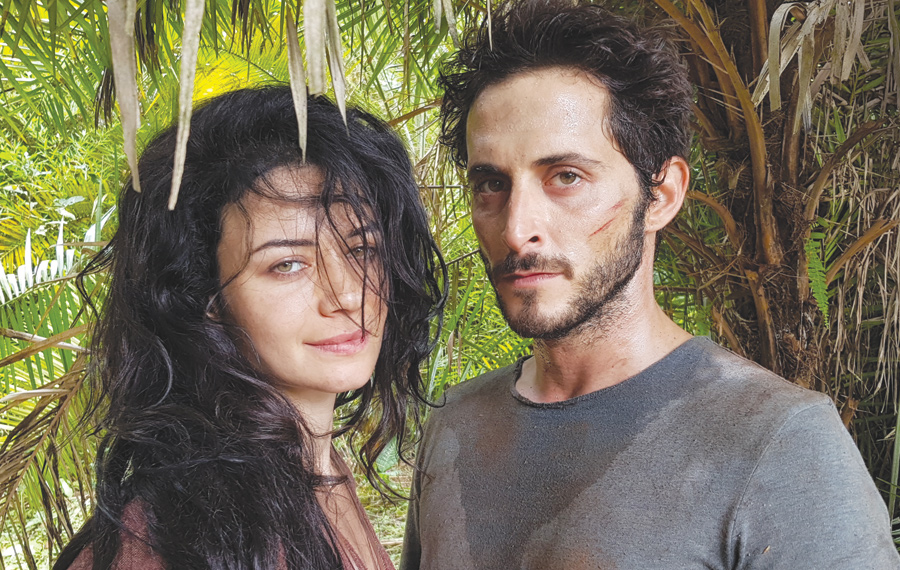
Kapon and Tayeb noted the many bruises they received running through the thick vegetation. “Israelis don’t have stunt doubles yet,” Kapon said. Prior to their seven weeks in Colombia, he and his co-stars filmed the flashback scenes where the Israel Defense Forces supplied a tank and personnel to serve as on-set advisers. The actors also trained with the IDF’s Golani Brigade at its base, doing drills. “It brought me back to doing service,” Kapon said.
Tayeb, who is known primarily as a musician in Israel, was apprehensive when she read the script. “I was afraid I would not be able to tell Yaeli’s story the way it should be,” she said, adding that the unforgettable love story between Yaeli and Aviv was too good to pass up.
She said of the series, “It’s a story that a lot of people can relate to. It’s a story about war and friendship and love and what you’re willing to do for that love.”
“The show breaks the archetypal, macho [stereotype] and opens another door to look into the average Israeli man.” — Tomer Kapon
Other “When Heroes Fly” cast members may be familiar to American TV viewers. Michael Aloni stars in the Israeli comedy series “Shtisel,” now streaming on Netflix, and Oded Fehr of “The Mummy” and “Resident Evil” franchises is in the Hulu drama “The First.” Kapon’s next project is the Amazon series “The Boys,” playing a French psychopath, which he calls his “first meaty role” in an American production.
“When Heroes Fly” won the best series award at the Cannes TV festival in April and has been renewed for a second season. “We’re going to stay with the characters from the first season and there will be new ones,” Givon said. The Jerusalem-born Tel Aviv resident, who studied filmmaking in high school, also is working on a mystery thriller series called “The Grave.”
Analyzing the current success of “When Heroes Fly,” Givon said, “Every good story is about character and emotional change. I think what worked is we had a strong plot and structure [with] the mystery about Yaeli. But for me, it’s an excuse to tell the story of people dealing with demons and having second chances in the end. I think it’s something that everyone can connect to.”
“When Heroes Fly” premieres Jan. 10 on Netflix.