fbpx

Mitzvah Freestyling

Growing up in the Oakland public school system, MC Hyim began freestyling when he was 8 years old. Today, he performs and produces conscious hip-hop, encouraging listeners to do tikkun olam -- take the anger and pain from today\'s society and transform it into something good: \"As important as it is to acknowledge and understand the history of what we might call Babylon,\" Hyim said, \"it\'s important to move beyond it.
[additional-authors]
December 9, 2004


Growing up in the Oakland public school system, MC Hyim began freestyling when he was 8 years old. Today, he performs and produces conscious hip-hop, encouraging listeners to do tikkun olam — take the anger and pain from today’s society and transform it into something good: “As important as it is to acknowledge and understand the history of what we might call Babylon,” Hyim said, “it’s important to move beyond it. Though a lot of people are hurting, and we have a lot of anger, everyone needs to take responsibility for themselves — to be aware of how they are how they are negatively affected by our reality, and how to turn that into something positive.”

Hyim finds hip-hop to be a natural vehicle for his own tikkun olam, not only because of the influence of his secular environment, but also because of his Jewish roots: “Judaism is a religion of the Word, of the Book,” he said, “so it makes sense a lot of Jews would get into rap and hip-hop. Our culture is about literacy — about verbal and written and oral communication.”

As a white Jew of Ashkenazi heritage, however, Hyim navigates through tensions regarding his participation in hip-hop culture: “There is always the question whether we are co-opting, recycling, participating in culture vulturism. I think the answer really depends on what your intention is. My intention is to celebrate the positive aspects of communication and a long history of storytelling — both of hip-hop music and Jewish heritage.”

The struggle, Hyim said, is in “how to pay respect to the people who created this art form. I pay respect by being honest — by not talking about things that are not true in my own life, by taking responsibility: When you have a mic and you’re amplified, you have to be aware of how your energy is affecting those ears. What are you offering? What are you supporting? What are you taking away? Hip-hop originally was about a party. You could close the door, have a party, have a DJ say, ‘Everybody clap your hands,’ do call and response. [Hip-hop] was about creating a safe space where everyone was participating. If you’re doing hip-hop provoking violence and separation, maybe you’re telling your own story, but you’re also supporting and validating something that isn’t going to be good for the children.”

Hyim will be performing at the CD release party for “Celebrate Hip-Hop,” during which he will showcase his freestyling talents. “I’ll have the audience call out some words,” he promises, “and I’ll go off on that.”


 

Did you enjoy this article?
You'll love our roundtable.

Editor's Picks

Latest Articles

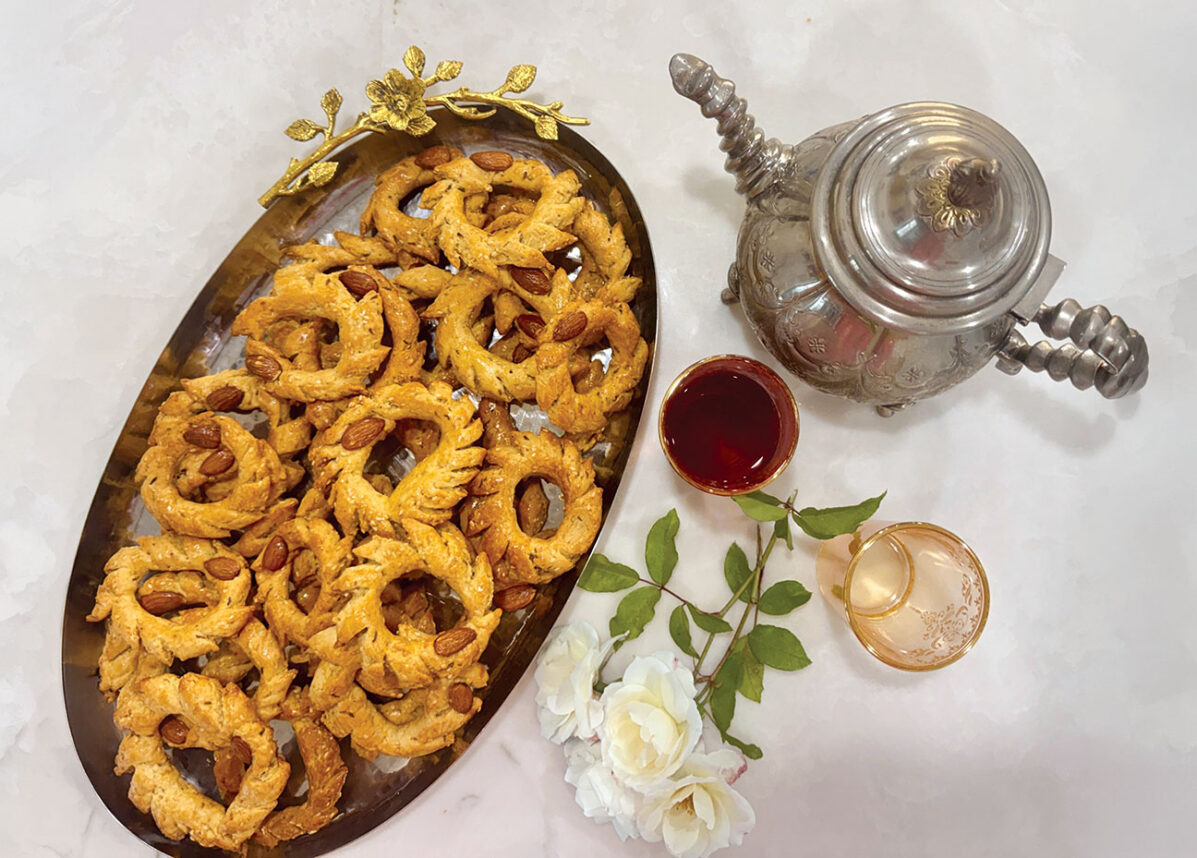
A Ka’ak By Any Other Name

A symbol of hospitality, families bake batches for holidays, family celebrations and visits with friends and relatives.

The Story That Never Goes Away

Rachel Goldberg-Polin, mother of slain hostage Hersh Goldberg-Polin, can’t stop speaking about her pain and the public love her body cannot always receive. She talks to the Journal about her son’s legacy and her new book.

Rosner’s Domain | A Dime-Store Abe: The Karhi Crisis

This week’s “Constitutional Crisis” is typical of the way the government operates. It issues a statement, or a tweet and then walks it back. Oops, we did not mean it. Or rather, we did, but we also meant to deny that we did.

Why Can’t We Be Friends?

If we want to see a less polarized society, both internally and beyond, we must emphatically reject the idea that political alignment is the predominant commonality for friendship.

Ruth-less, the Enigma of a Name

Jews spoke in two voices about Ruth, a kind of national schizophrenia, one with joyous chanting on Shavuos as the Book of Ruth was read; the other, removing her name from the chain-link of repeated names throughout the generations.

Honoring My Father: Saying Kaddish with Men

Saying kaddish every day tested my faith and commitment. It made me realize that there is no room for excuses. It taught me how to show up. It taught me that my voice can be heard, even when not expected.

The Yiddish Letter of American Liberty

Phillips’ letter – with its faith in Congress’ Declaration – now sits in display not far from the Liberty Bell and its inscription from the biblical book of Leviticus.

Searching for the Red Heifer

While there’s nothing wrong with keeping your eyes on the horizon for that magical heifer to appear, be sure to appreciate what you already have.

Broadening the Fight

If we agree that antisemitism is only one example of a widespread and pernicious instinct toward division and “other-ization,” then it becomes clear that we can only eradicate these animosities as part of a far broader effort.

More news and opinions than at a Shabbat dinner, right in your inbox.