Congregation Talmud Torah, better known as the Breed Street Shul, was founded nearly a century ago. On May 16, hundreds of supporters will trek to Boyle Heights to put their money and enthusiasm on the line to assure that after decades of abandonment and neglect, the shul will come to life once again.
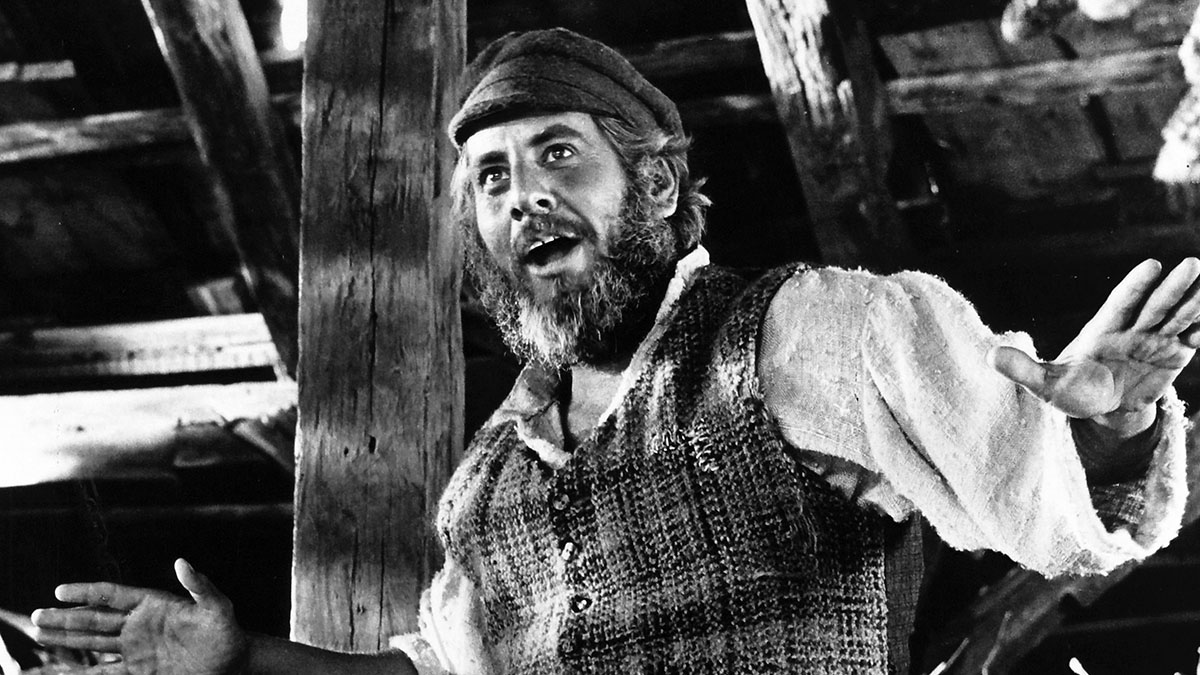
“Fiddler for the Roof,” a celebra-tion/fundraiser (admission is $180 per person) marks two major leaps forward for the Breed Street Shul Project after more than 20 years of dogged effort by volunteers from the Jewish Historical Society.
Earlier this year, the federal government allotted $250,000 for the restoration project, owing to the advocacy of Congresswoman Lucille Roybal-Allard.
Thanks to grants from the Jewish Venture Philanthropy Fund and the Jewish Federation’s Community Pillar, the project was able to hire veteran community activist Tsilah Burman as the first full-time executive director of the hitherto all-volunteer effort.
In an interview, Stephen Sass, president of both the historical society and the shul project, outlined the background and challenges of the restoration effort.
In 1915, when the founders inaugurated the new congregation’s beit midrash (house of learning), Boyle Heights was on the cusp of becoming the largest Jewish enclave in Los Angeles.
Until around 1950, when the Jewish residents moved west and north, Boyle Heights was home to some 70,000 to 90,000 Jews, 30 synagogues, kosher markets and restaurants, and the forerunners of today’s communal, social and medical institutions.
With the Jewish exodus, Boyle Heights became predominantly Mexican American, augmented by Asian and African-American newcomers.
By 1923, the shul had outgrown its original space and built a large, handsome three-story synagogue on the same site facing Breed Street, moving the existing beit midrash to the back of the new building.
The current restoration efforts focus on transforming the back beit midrash into a neighborhood center for educational, social and cultural agencies, and programs.
The board of the shul project expects to open the building as a community center in a year’s time, and then, hardly resting from its labors, tackle the restoration of the main synagogue and sanctuary building.
That job will cost about $10 million, Sass estimates, and his “personal goal” is to complete the work by 2015, marking the shul’s centennial anniversary.
“Fiddler for the Roof” festivities will take place May 16, 2 to 4 p.m., at the Early Learning Center at 233 N. Breed St., adjoining the shul. Guests are encouraged to bring books for the preschool and elementary school levels at the Learning Center.
For admission and other information, contact Burman at (323) 761-8950 or (818) 416-2253.