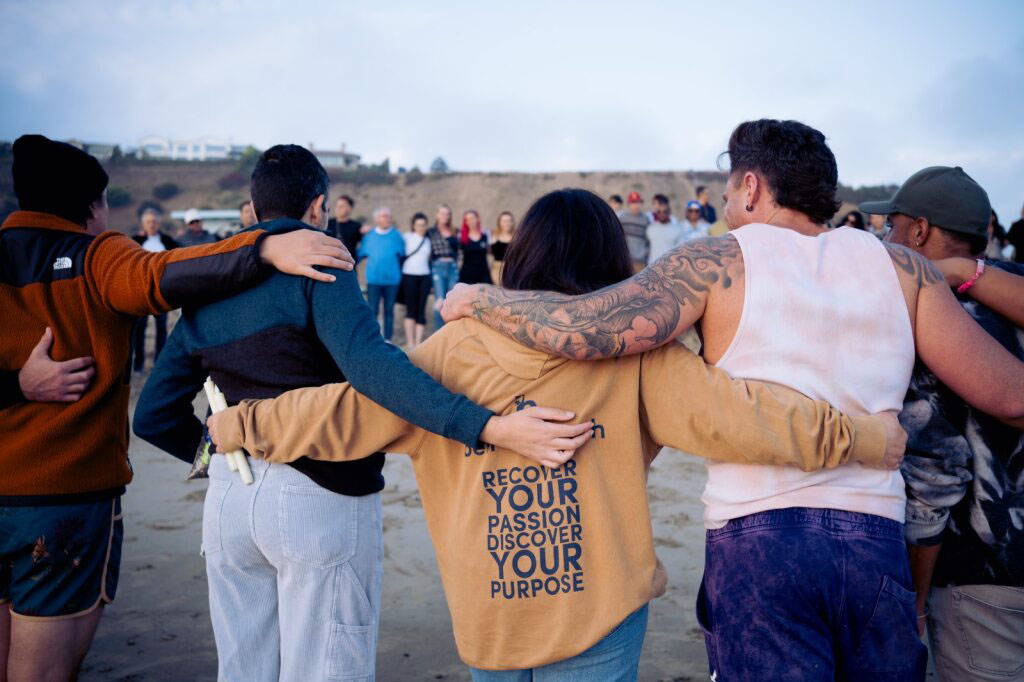
At every synagogue in the afternoon on the first day of Rosh Hashanah, congregants perform Tashlich by casting off bread crumbs into a moving body of water to release the sins of the previous year. But at Beit T’Shuvah, a synagogue and residential treatment center on Venice Boulevard, the ritual continues week after week.
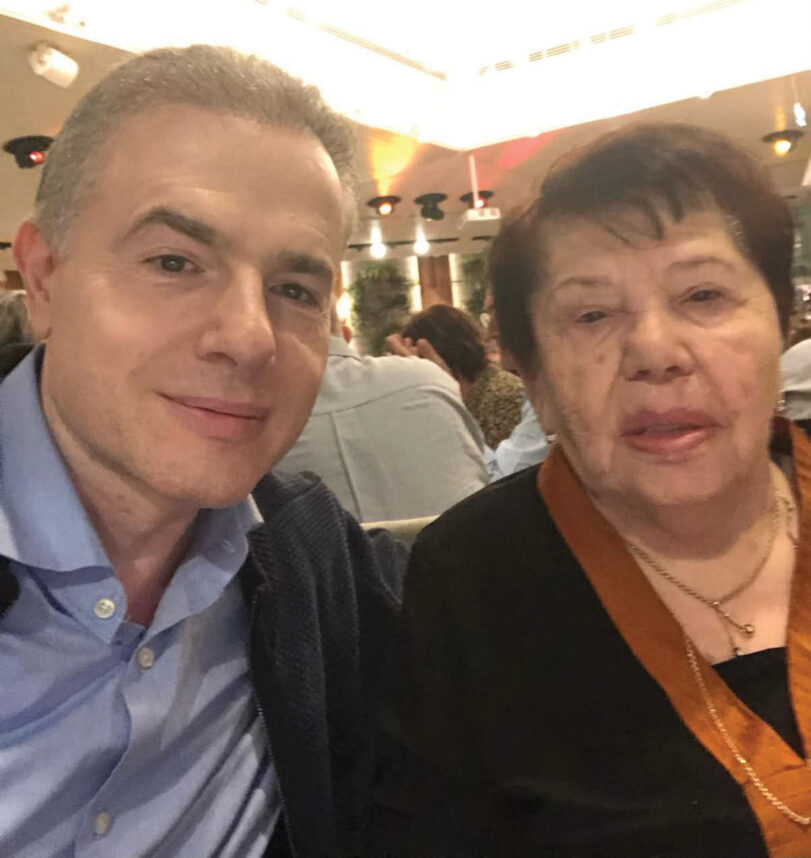
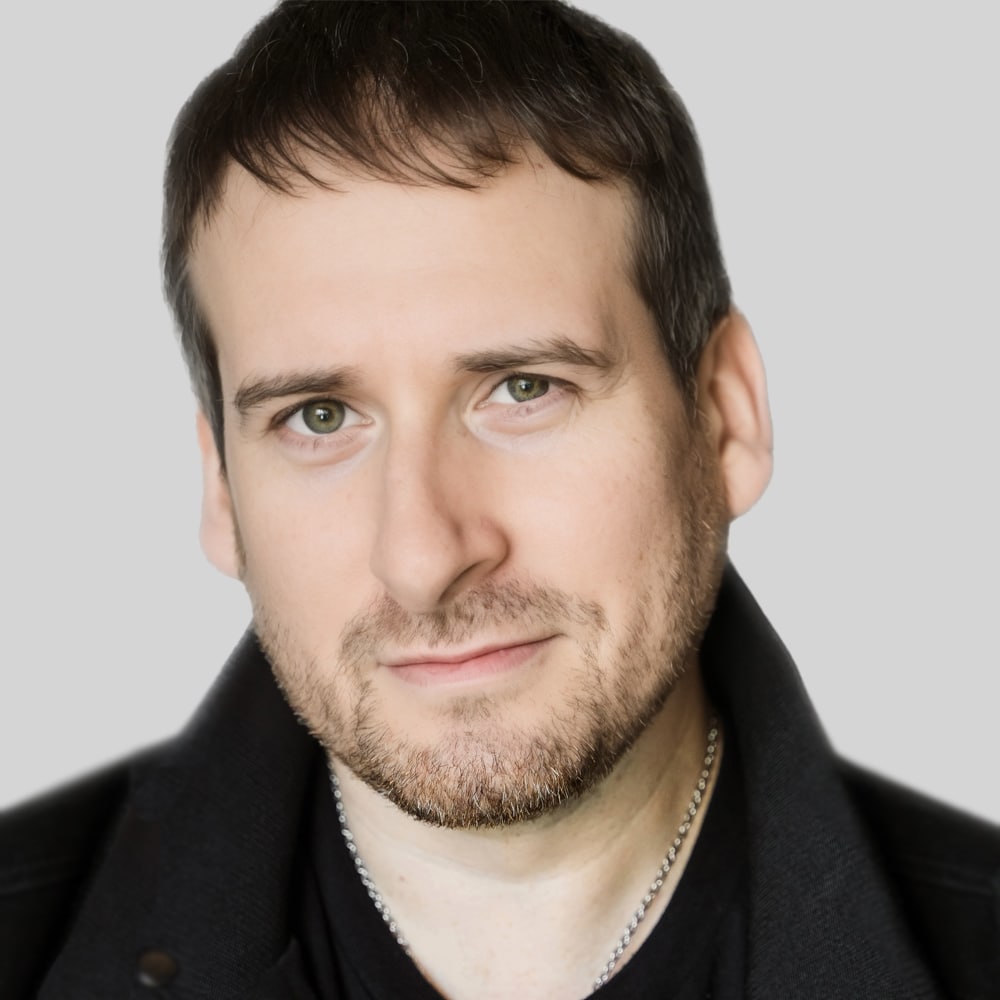
Jesse Solomon, communications director at Beit T’Shuvah, told The Journal that he sees Tashlich as where two steps of Alcoholics Anonymous converge.
“Tashlich is like the AA 10th step: the inventory you take on yourself every day and looking back on the day and deciding who you’re going to be tomorrow,” Solomon said. “Tashlich is really looking back on the year and deciding who you’re going to be next year. It’s a redemption holiday. No one is ever condemned to their past actions. That’s why you always have to do Tashlich in a body of living water because it’s always moving, always changing.”
“Tashlich is like the AA 10th step: the inventory you take on yourself every day and looking back on the day and deciding who you’re going to be tomorrow.” – Jesse Solomon
Solomon referenced Heraclitus: “No man ever steps in the same river twice, for it’s not the same river and he’s not the same man.”
Solomon connects Tashlich to another step. “The magic of the Fifth Step in Alcoholics Anonymous is looking at another alcoholic and telling them the worst thing that you’ve ever done in the world — and them telling you, ‘I’ve done 10 things that are worse.’ It’s a feeling of not being judged and being able to accept yourself. If you can walk away having accepted yourself and realizing you are not your worst mistake, that’s how you begin the path to redemption.”
One of the activities Beit T’Shuvah residents do every Friday is gather in “Tovah Groups,” where they meet with a clergy member and a counselor. On one side of a paper, residents write how they hit the mark that week. On the other side, they write how they fell short. Then they share with each other.
“The counselor or clergyman might say, ‘Is that really how you think you missed the mark? Or is that hitting the mark for you?’ And the resident will work through that,” Solomon said. “And so that’s in a way like a mini Tashlich every week.”
Beit T’Shuvah was founded in Los Angeles in 1987 by Harriet Rossetto, a social worker who believed addiction was “a malady of the soul that required spiritual healing.” She built a synagogue and treatment community around the idea that everyone deserves a path to redemption.
Solomon speaks about Tashlich not only as a staff member but as someone who first arrived at Beit T’Shuvah as a resident. After years of addiction, depression and instability, he entered the program in 2019, found sobriety, and eventually joined the staff. Today he directs communications for the very place where he “finally found a community to believe in.”
“It sounds so like promo-y to say the High Holy Days at Beit T’Shuvah are different than anywhere else; the stories of people’s struggles are so real, and you’re seeing them living the change.”
He has seen it firsthand. “There’s nothing like seeing someone at their first Shabbat shaking in their chair and then going on stage to get welcomed in and being terrified to then three weeks later jumping up and down and dancing … and knowing all the choreography,” Solomon said. “There’s nothing like seeing someone come alive for the first time in their lives.”
Last year, residents did Tashlich at Will Rogers State Beach. As of press time, this year’s Tashlich location is still to be determined but will be on the Beit T’Shuvah website. High Holy Day services will be led by their rabbi in residence, Rabbi Igael “Iggy” Gurin-Malous.
“We’re very excited about all of it this year,” Solomon said. “Our band rocks, and our choir is built of residents, alumni, staff, and community members. Just having all of them sing in harmony is fantastic.”
At its core, the synagogue treats recovery itself as much of a spiritual practice as they do Torah. And it’s amplified at this time of the year with Tashlich and the rest of the High Holy Days. One particular thing that stands out at Beit T’Shuvah is congregants seem to hold eye contact a little bit longer than usual, as if to nonverbally say to new faces, “We’re glad you’re here.”
“We always say, ‘Just join us in the recovery and the godly feeling that you’re going to get,’” he said. “Even if you feel nothing of spirituality and you feel nothing of religion or God or anything, it’s impossible to be at a High Holy Day service at Beit T’Shuvah and not feel community.”