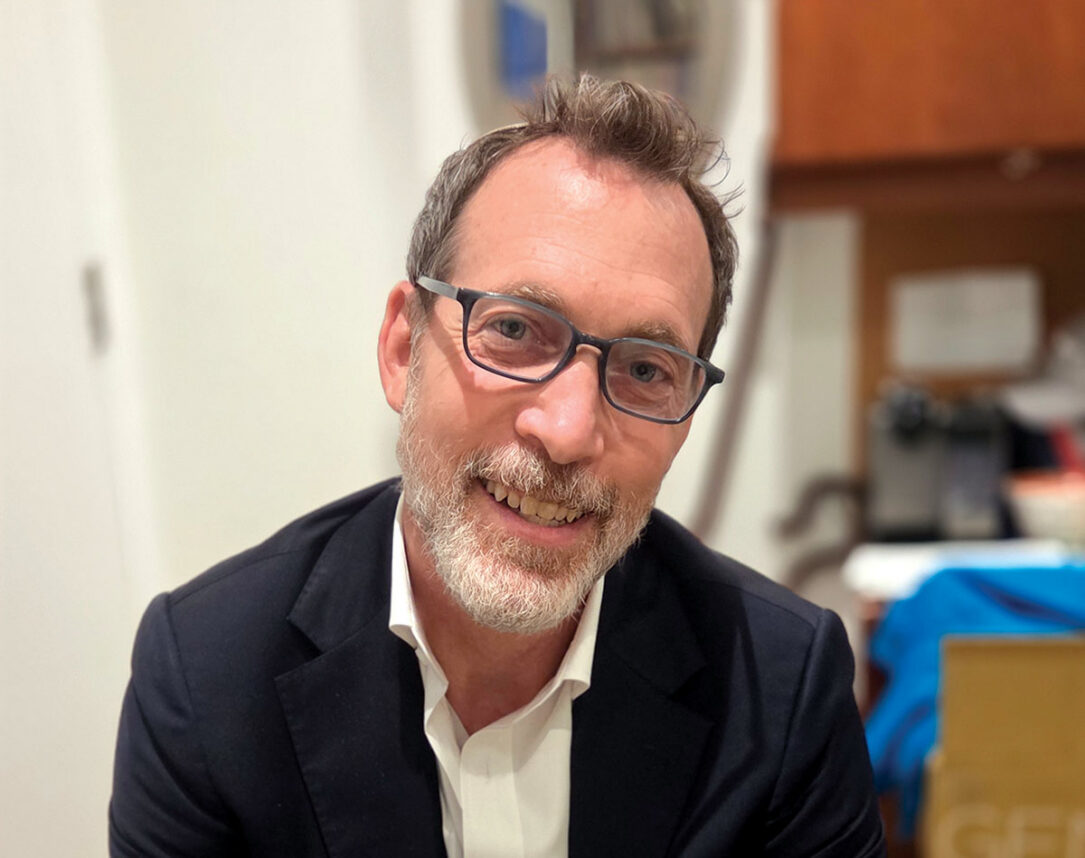
Elizabeth Savetsky is on a mission to spread a pro-Jewish, pro-Israel message.
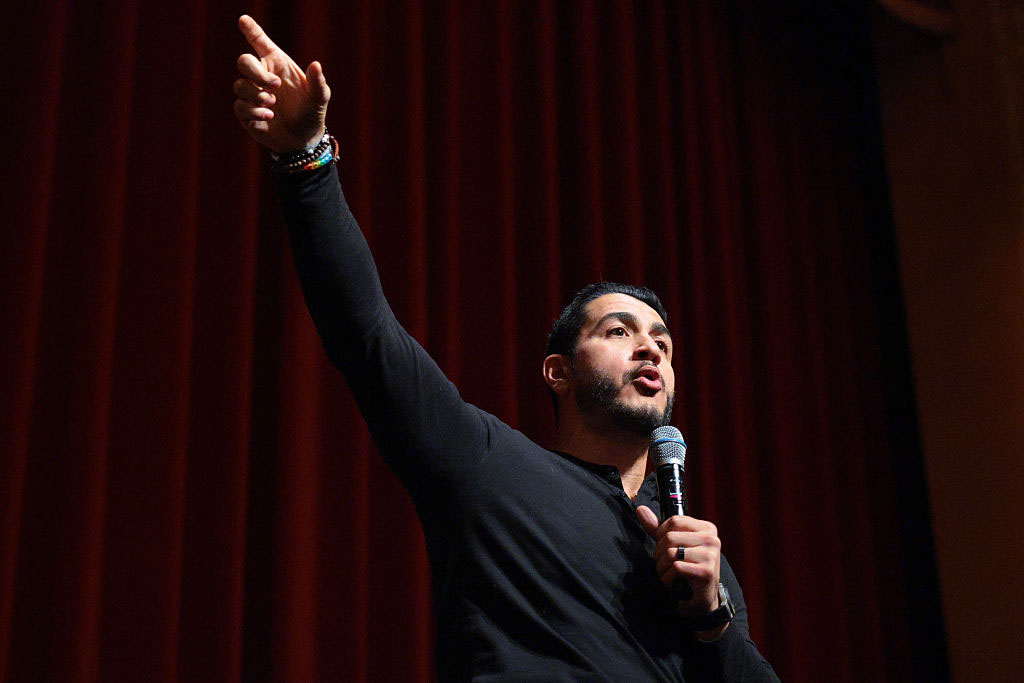
Her platform of choice for doing so is Instagram, where Savetsky has more than 400,000 followers. A typical post shows her leading “Bring Them Home” chants at pro-Israel demonstrations; calling out the rise in antisemitism; showing allyship with Jewish college students; and confronting Hamas supporters.
Raised in Fort Worth, Texas singing country music, cheerleading and competing in the “Miss Teen Texas” pageant, Savetsky — who goes by “Lizzy” — has credited her experience doing Birthright Israel at the age of 18 as particularly formative. Today, any cheerleading the mother of three is doing is likely for the State of Israel.
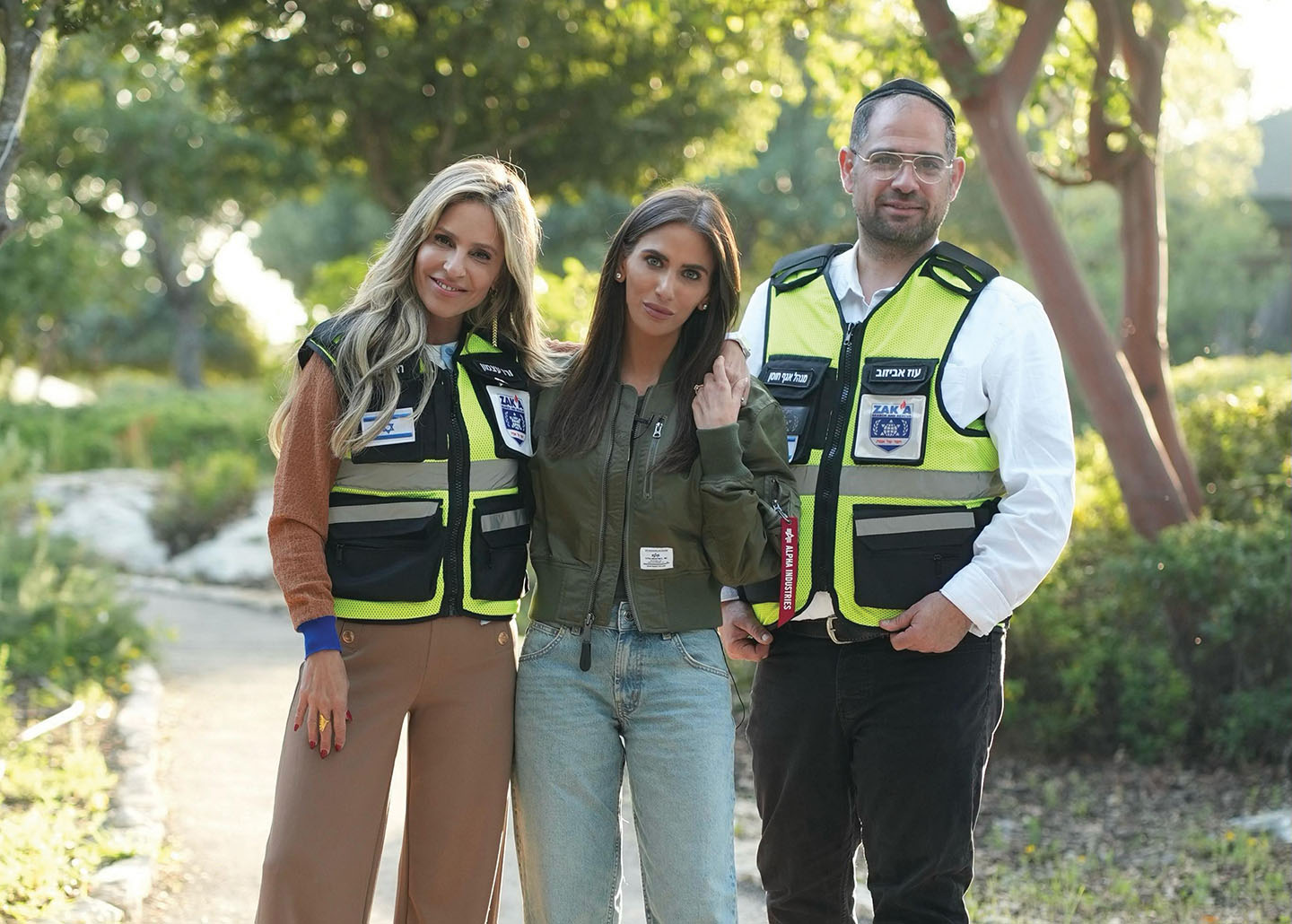
Recently, the New York-based, self-described “proud Jewish woman” traveled to Israel, where she spoke at the International Conference for Combatting Antisemitism, held in Jerusalem. In Israel, Savetsky, 39, also spent time with ZAKA, a non-governmental rescue and recovery organization. Primarily made up of ultra-Orthodox volunteers, ZAKA was involved with collecting the remains of those killed on Oct. 7.
Taking a break from her whirlwind of an Israel trip, Savetsky spoke to The Journal about what has drawn her to supporting the work of ZAKA (the Hebrew acronym for Disaster Victim Identification), how she found the fortitude to be an outspoken defender of Israel and what her plans were for Passover.
Jewish Journal (JJ): So, what brought you to Israel for your current trip there?
Elizabeth Savetsky (ES): I came to Israel for the International Conference for Combatting Antisemitism hosted by the Ministry of Diaspora Affairs. Of course, while I was there, I wanted to spend time with the people and organizations that mean so much to me, including ZAKA. I have such a huge respect for the heroic work they do, but I’ve also built such a great relationship with the leadership and volunteers. They’re the most wonderful people.
JJ: You spent time at a retreat for ZAKA volunteers who are suffering from post-traumatic stress disorder. What was that like?
ES: I spent the day with the volunteers and the psychologists who have tailored the most thought-out programming to help these heroes work through their trauma. The programming combines mental, physical and spiritual elements. These are the strongest people but when I look into their eyes, I can see how shattered they are. They have seen and experienced the worst atrocities of humanity that nobody but them will ever be able to fully comprehend. The work they do can never be repaid —it’s the ultimate mitzvah — but it takes an irreparable toll on the soul. Many of them told me heartbreaking stories about not being able to sleep for months after what they saw and feeling closed off emotionally from their families. The resilience programming ZAKA is now providing is crucial so these heroes can continue with their lives and continue to do their heroic work with the organization.
JJ: What have been other memorable moments?
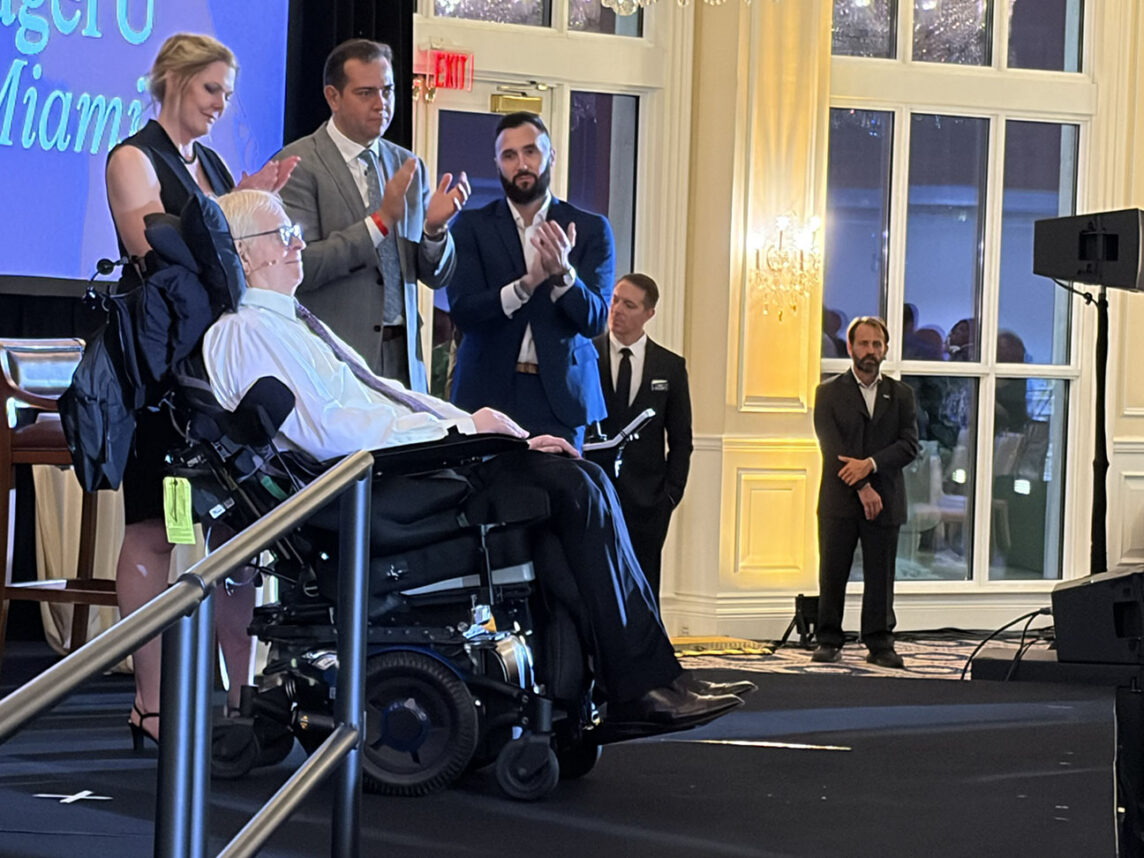
ES: This was a very busy trip for me — the trips to Israel always go too fast. These days, from the moment I land until the moment I leave I am busy trying to shine a light on what’s happening in Israel for my followers. The highlight of this trip besides the day with ZAKA was getting to meet released hostage, Keith Siegel. I had become incredibly close with his wife, Aviva, and daughter, Shir, over the past year-and-a-half. I knew so much about him and meeting him and seeing him reunited with his family was surreal and incredibly emotional for me.
JJ: You’ve become one of Israel’s most prominent supporters on social media. When did you begin finding your voice as a pro-Israel activist?
ES: I had always been outspoken about my support for Israel, but the spring of 2021 [during an 11-day military conflict between Israel and Hamas] was the real turning point. After Israel experienced a rocket attack from Hamas, I was shocked to see how my peers on social media jumped to demonize Israel the second Israel responded to the attack. And almost immediately after the demonization of Israel came the demonization of the Jewish people. It became clear to me then that hate for Israel is just a poor disguise for antisemitism. I felt a huge responsibility as a proud Jew and Zionist with a following to step up and speak out. That was really the beginning. It’s been the most purposeful work I could ever imagine. It hasn’t been easy, but I feel so blessed to wake up every day and fight for my people, my children and our future.
I felt a huge responsibility as a proud Jew and Zionist with a following to step up and speak out. It’s been the most purposeful work I could ever imagine. It hasn’t been easy, but I feel so blessed to wake up every day and fight for my people, my children and our future.
JJ: How are you celebrating Passover this year?
ES: I will celebrate with my family at a program in Palm Beach with Kosherica [a kosher-for-Passover tour provider]. I will be giving several talks there to the guests about antisemitism and Israel. Passover to me feels especially significant now. The bitterness of the maror, the salt water that represents our tears. We feel the pain of the generations dating all the way back to Egypt more palpably than ever. We speak about coming out of Egypt every day in our prayers. It is said that of all the Israelites in Egypt, only 20% chose to leave and follow Moshe into the Sea of Reeds. The other 80% were too afraid to walk into the unknown and follow God’s path, so they stayed behind.
I have made it my life’s mission to be in the 20% and to help my fellow Jews join me in following the path of faith over fear. Passover is all about teaching the children, the next generation, about our story. I take this responsibility more seriously than ever. I want my children to know where we come from and what our role is in this life — to always act with morality, strength, and purpose. ■