The Jewish Community Foundation of Los Angeles (JCFLA) recently awarded $4.3 million in grants to 87 organizations.
In Los Angeles, $2 million in grants from JCFLA are being awarded to 58 Jewish nonprofits to “enhance healthier workplaces and staff wellbeing, address antisemitism and strengthen a Jewish social safety net for vulnerable people,” a JCFLA statement says.
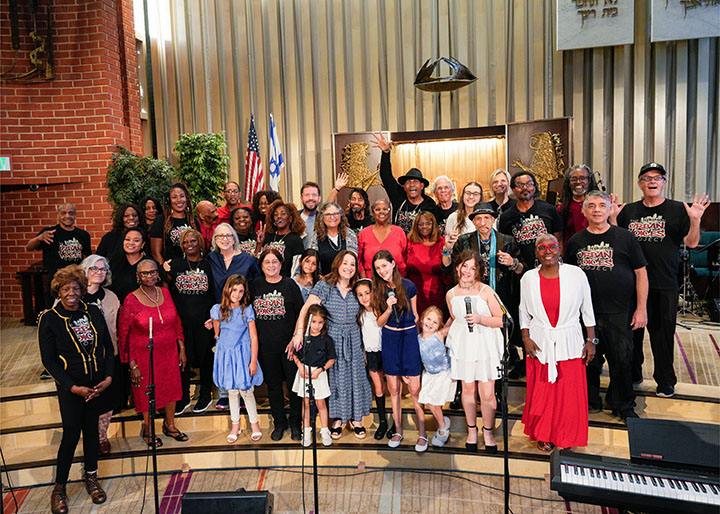
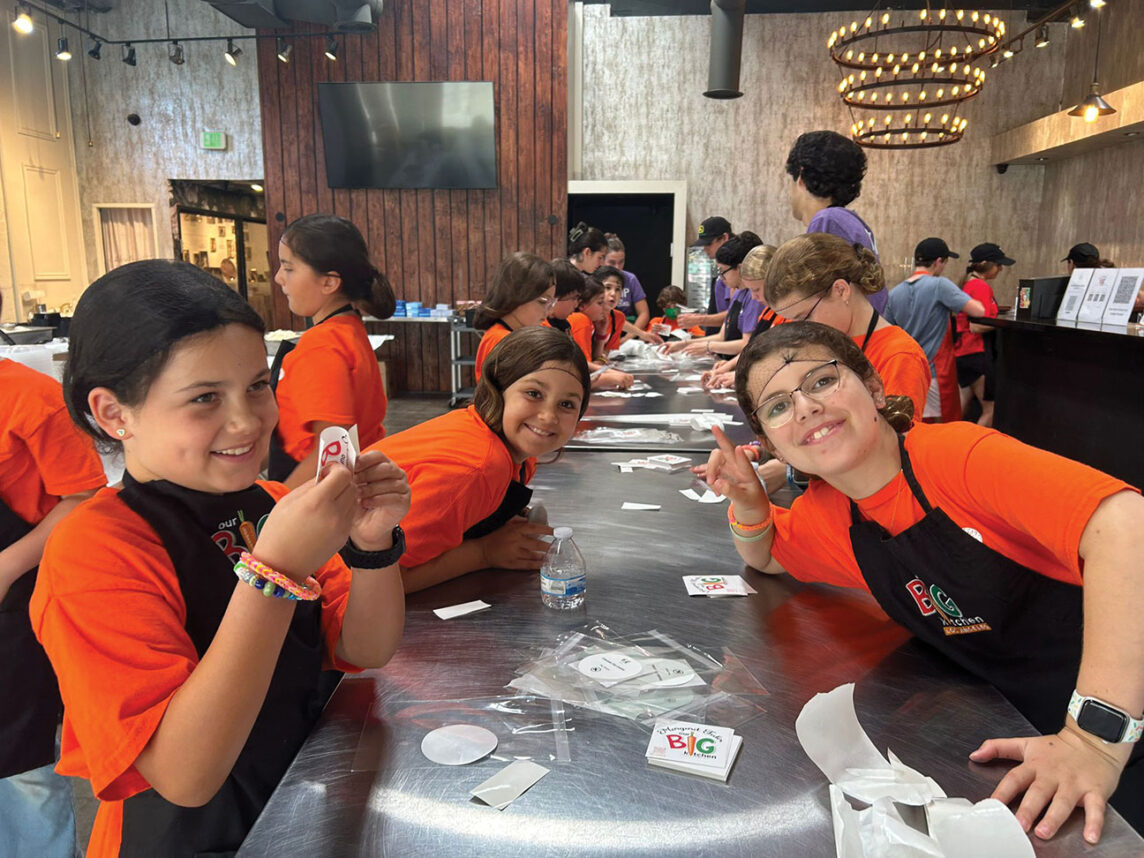
The L.A.-based recipients of the grants represent a mix of larger, legacy organizations, such as Simon Wiesenthal Center, Beit T’Shuvah, Jewish Family Service of LA and Bet Tzedek, as well as newer and more modestly sized initiatives, including Pico Union Project, Fuente Latina, JIMENA and Our Big Kitchen Los Angeles.
Courtesy of Jewish Community Foundation of Los Angeles
Additional local recipients of the grants include Chabad at USC, Hillel at UCLA, JQ International, Jews of Color Initiative, Aish LA, Nova Music Festival Exhibition, StandWithUs, Holocaust Museum LA, Jewish Big Brothers Big Sisters LA, Chai Lifeline West Coast, Creative Community for Peace and Moishe House.
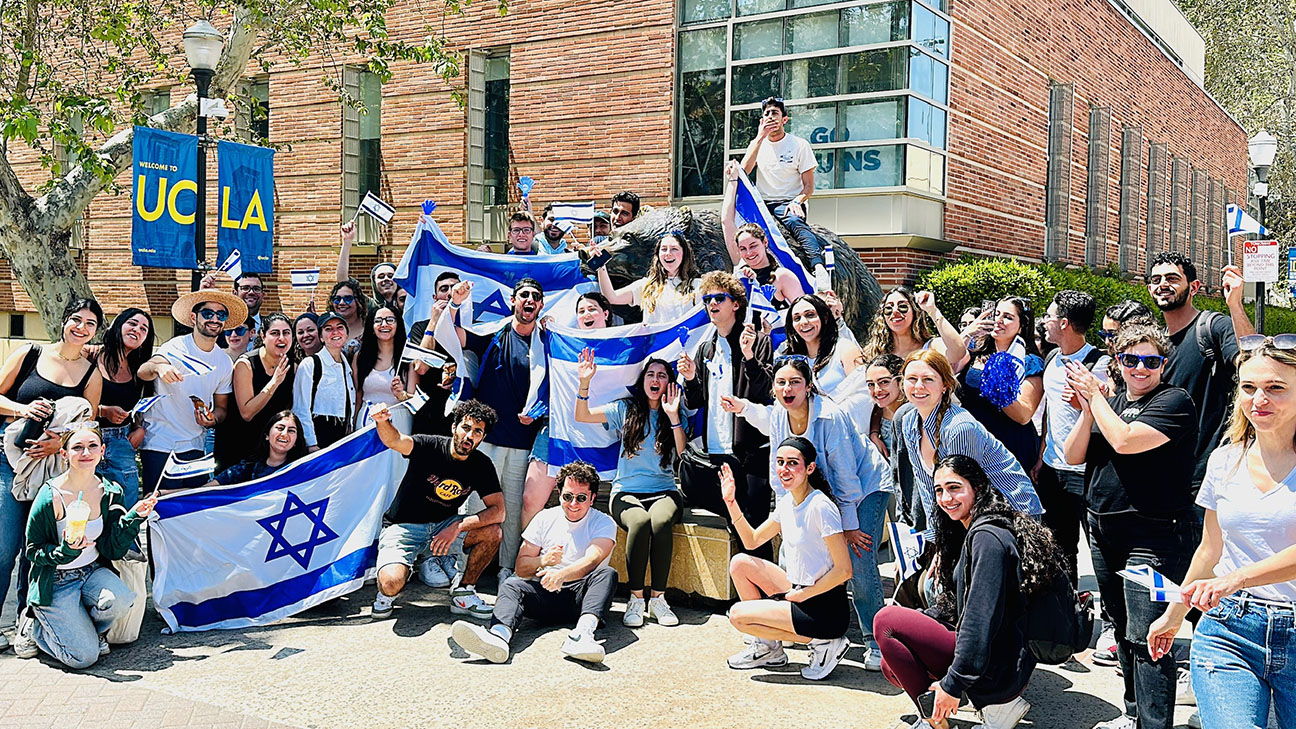
In Israel, another $2 million in JCFLA grants are being allocated to 29 nonprofits addressing critical needs in the aftermath of Oct. 7, including mental health and resilience, social cohesion and support for at-risk children and youth.
The awarding of the grants signals how the foundation has shifted gears from an approach of allocating larger grants benefiting a smaller pool of organizations to one involving the giving of smaller grants supporting a wider range of organizations, Naomi Strongin, vice president of JCFLA’s Center for Designed Philanthropy, told the Journal in a recent Zoom interview.
During previous grant cycles, the organization provided multiyear grants up to $300,000 under the auspices of its Cutting Edge Grants program. Such a grant had the capacity to change the course of a recipient organization. While the grants provided in this latest cycle were “healthy,” they were not intended to be “transformative,” according to JFCLA leadership.
JFCLA staff described this latest cycle of giving as a “broad-reaching grants initiative.”
For the Los Angeles organizations, the allocations included general operating grants, in amounts ranging from $50,000-$80,000, along with human capital grants, ranging from $10,000-$40,000. The latter was designed to support staff wellbeing as well as professional development at each of the recipient organizations.
In Israel, the grants awarded to each organization were slightly higher, ranging from $75,000-$100,000.
In 2023, the foundation managed $1.4 billion in assets entrusted to it by 1,400 client families and distributed $177 million in grants, JFCLA Marketing and Communications Manager Janet Keller told the Journal.
The foundation is a manager of charitable assets and the self-described “leader in planned giving solutions for Greater Los Angeles Jewish philanthropists.” The organization, founded in 1954, is currently celebrating its 70th year serving the Los Angeles Jewish community.
The foundation announced these new grants this past September. They follow 55 security grants that JCFLA distributed in July to enhance the physical safety of local Jewish nonprofits, thus totaling more than 140 grants that the foundation allocated over the second half of 2024.
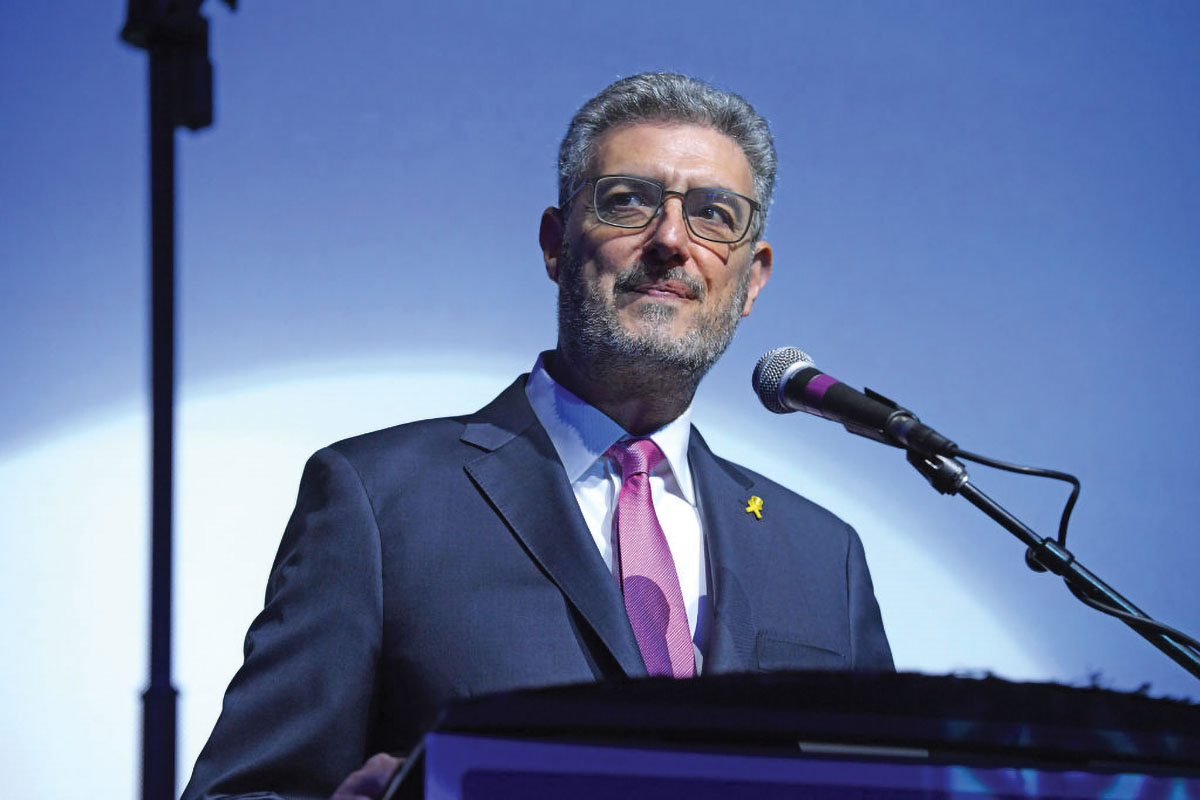
“This $4.3 million of support to a record 87 nonprofits underscores our enduring commitment to strengthen our local Jewish community and the people of Israel,” JCFLA CEO Rabbi Aaron Lerner said in a statement. “In the past, we focused on supporting a smaller group of nonprofits with bigger grants. However, in light of the challenging times we’re living in, broadening our recipient pool to include a wider spectrum of organizations will better meet the pressing needs of our community. As we celebrate 70 years of service, we remain steadfast in our support of essential programs that foster resilience, unity, and well-being.”