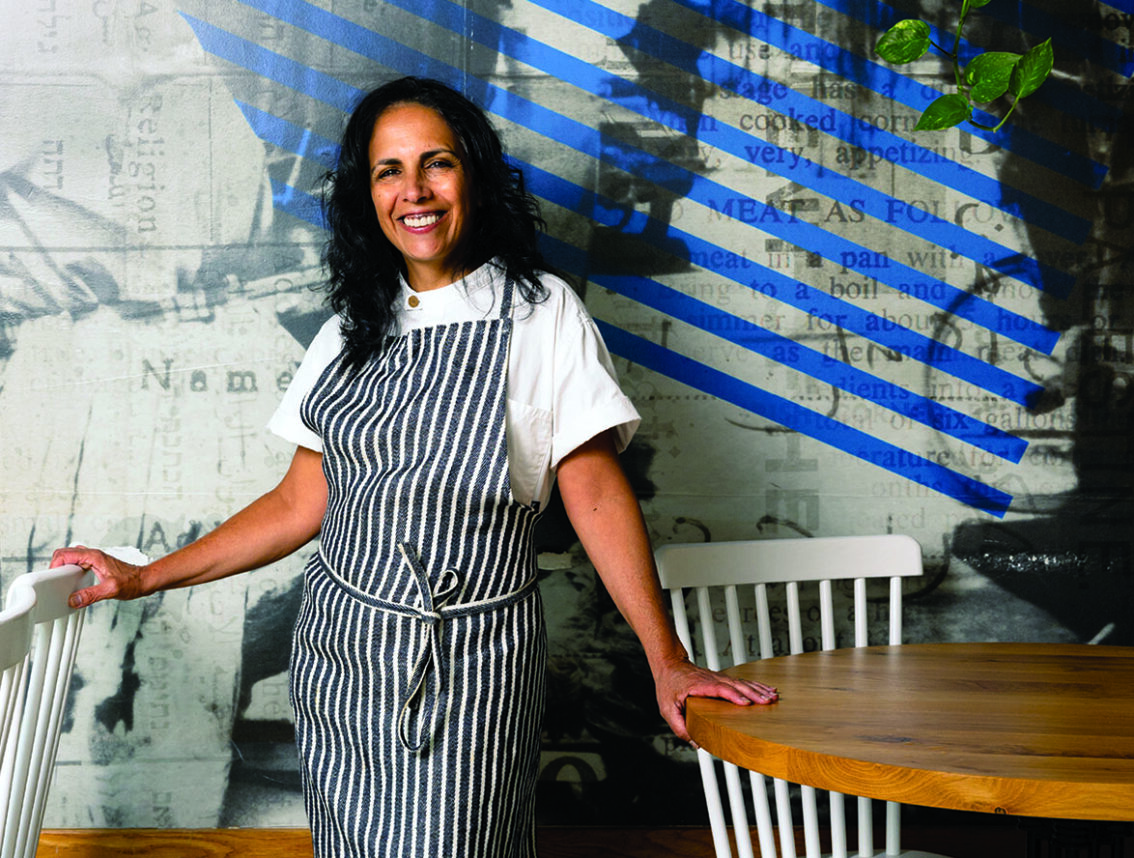
Shushana Javaheri, the owner of the Judaica store Marigold House L.A., was helping a client on Monday, July 22, when she saw a swastika on the store’s front door. This rattled her.
Next, she did what everyone does these days when something significant happens: she posted about it on her personal Instagram.
“Came across a swastika drawn on the door of my business today. At a loss for words, especially as a Jew who immigrated from Germany to the US. I never experienced any antisemitism in all the years I lived in Germany.”
“I never experienced any antisemitism in all the years I lived in Germany.” – Shushana Javaheri
Before moving to the U.S. in 1994, Javaheri, who was born in Israel to Iranian parents, lived in Germany with her family for 15 years. In an interview with the Journal the day after her store was defaced, she said, “We only see things like that happening in the U.S. In Germany, they take a strong stance against antisemitism, and they don’t tolerate it.”
The Judaica store owner had moved to the location on Westwood Blvd. a year ago. Previously, she and her father ran the store down the street for 10 years. She said that in all her years living in Los Angeles, she had never experienced antisemitism.
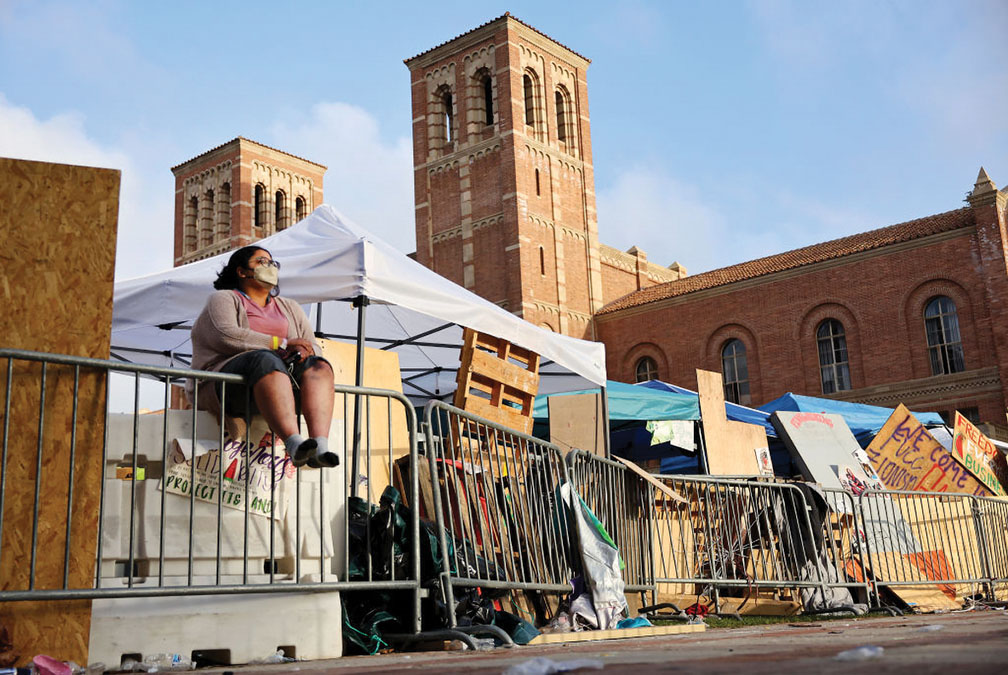
“I’ve heard about it, of course. We had pro-Hamas encampments at UCLA, where Jewish students were discriminated against, and there were, many times, physical [altercations] too. There’s video footage, there are eyewitnesses. We’ve all seen that, but personally, it was the first time I experienced it myself.”
She decided not to report the incident to the police because she believed there was a slim chance that anyone would be caught and brought to justice.
“We live in a climate where the police don’t do much,” she said. “I don’t think someone is going to get arrested, and even if they did, they would be released the same day. It’s a catch-and-release policy. It would be a waste of time to report it. Antisemitism in this city and across the nation is largely ignored and indirectly even endorsed.”
Javaheri said that only a few weeks ago there were physical assaults by pro-Palestinian supporters against Jewish residents in the neighbourhood, not far from there. It was outside Adas Torah synagogue. Yet, no one was prosecuted and brought to justice.
“Hate crimes against Jews are largely ignored, that’s the reason why when something like that happens to me, what’s the point of reporting it? No one cares,” she said.
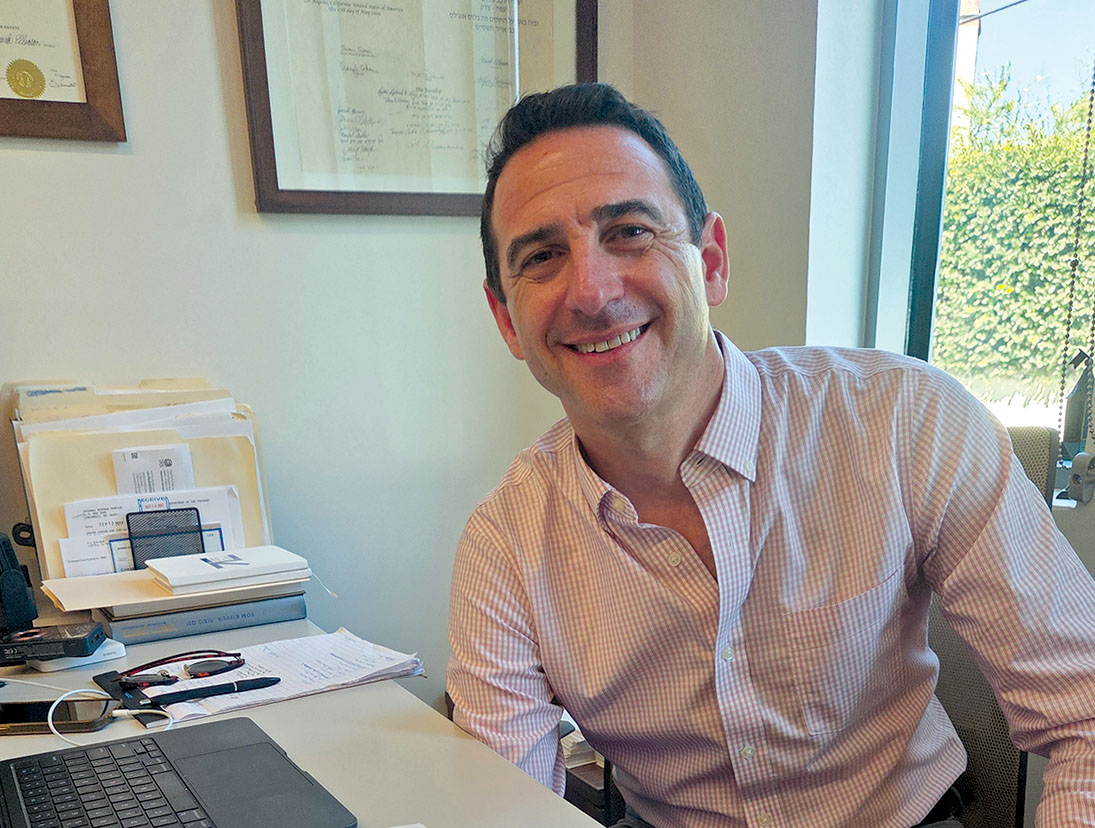
One of her loyal clients and friends, Sam Yebri, saw her post and decided to share it with his 10,000-plus followers. It immediately reached many people in the community, who started bombarding Javaheri with phone calls and text messages of support and love. One person arrived at the store with a bouquet of flowers and a note saying, “You are not alone. We support you.”
“She is not even a customer and doesn’t know me, but she heard about it and wanted to show her support,” said Javaheri. “I never witnessed such an outpouring of love. It transformed the experience from something negative to something beautiful.”
Yebri, who has been shopping at Marigold House since it opened, said in an interview with the Journal that all Angelenos should be horrified that a beloved Judaica store in the heart of Westwood was targeted.
“The silence of our leaders [in response to] the rise of antisemitism in Los Angeles has enabled Jew hatred from the far right and far left to terrorize Jews without any fear of consequences.”
Javaheri said she is also disappointed to see leaders in the city and state dismissing hate against Jews.
“When antisemitism comes from the right, everyone is immediately ready to condemn it. But from the left, the progressives dismiss it,” she said. “Our leaders openly endorse people that are antisemitic because it’s considered a trivial matter. No one takes it seriously. So, what are people like us supposed to do?”
These recent events of antisemitism and being a mother of a baby made her think about making aliyah.
“People like me who were raised during a time that antisemitism was unacceptable are thinking, at what age are we going to immigrate to Israel?”
Despite everything, Javaheri said she is grateful to see the outpouring of love and support she has received, not only from the Jewish community but also from non-Jewish friends and acquaintances.
“I didn’t seek this attention,” she said. “I thought to keep it only to myself and tell my closest friends, but once it got out, I received so much support and love. It’s overwhelming and heartwarming.”