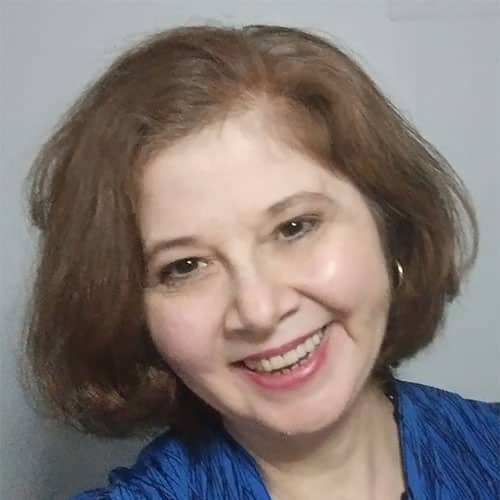
Blacks and Jews have way more in common than we have differences,” Shonda Isom Walkovitz, co-founder of Challah and Soul, told the Journal.
A main commonality? Food.
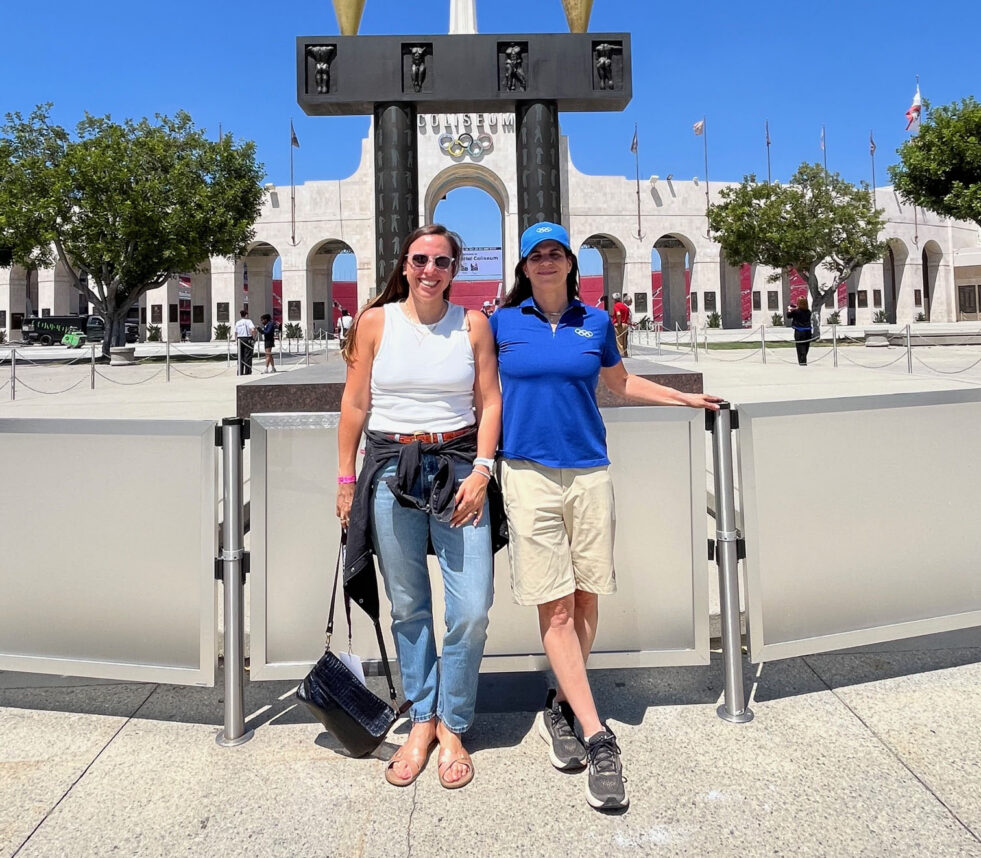
Co-founders Judi Leib and Walkovitz started Challah and Soul to connect Black and Jewish communities through food and storytelling.
“When we started itemizing things we had in common, food came up right away,” — Judi Leib
“When we started itemizing things we had in common, food came up right away,” Leib told the Journal. “We started tagging foods that were the same or from the same origin, such as matzah ball soup and chicken and dumplings. gribenes and cracklins, cholent and gumbo.”
Challah and Soul believes that by breaking bread and sharing stories, they will educate, unite and restore allyship between both communities.
The duo was brought together by Hadassah of Southern California in 2021, and immediately realized they had mutual goals.
Walkovitz is the founder of Bucks Happy Farm in the Lucerne Valley. She was able to turn sand into soil and begin successfully growing food in the desert. Leib came to Challah and Soul with 40 years of food service experience, working in every aspect of the industry; she has always loved food history.
“We initially talked about doing a one-off women’s luncheon,” Leib said. “It became obvious that more was needed. That there was healing, education and understanding that needed to happen between our communities.”
Ultimately, they founded Challah and Soul as a nonprofit and began hosting events.
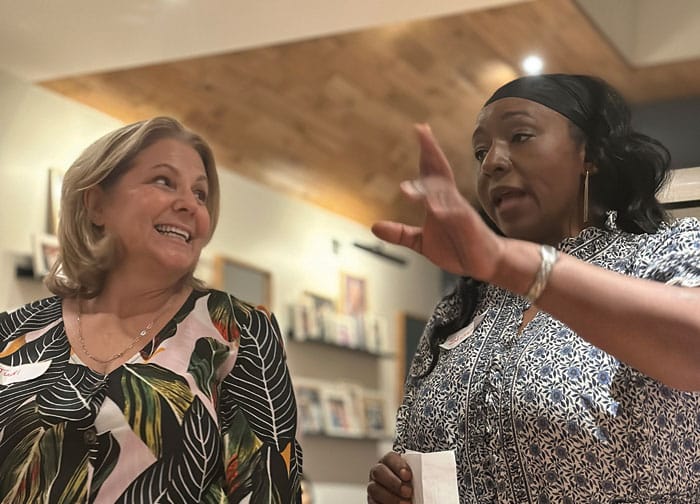
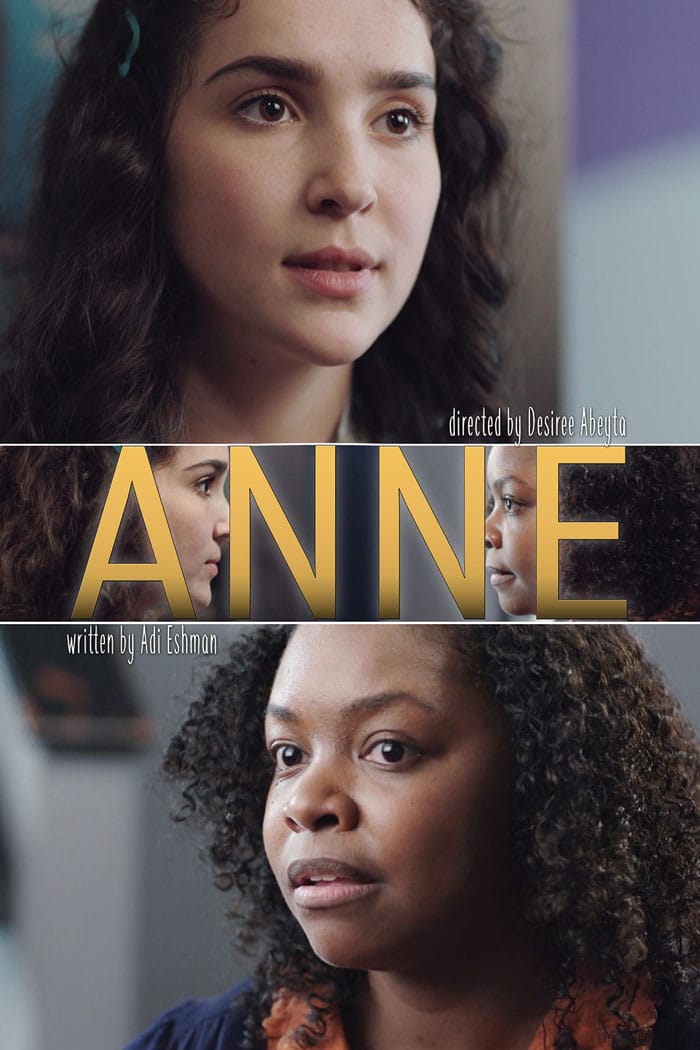 Most recently, they held a screening of the short film, “Anne,” at the Milky Way Restaurant in the Pico-Robertson neighborhood of Los Angeles on April 27, along with a dialogue about the issues that are raised in the film.
“Anne,” a short film written by Adi Eshman, is about two young actresses auditioning for the role of Anne Frank. One is a white Jewish woman and the other is a Black christian woman.
“Each attendee was given a small journal and encouraged to answer the prompt ‘What does being a minority mean to you?’” Walkovitz said.
While they were doing introductions, they asked attendees to share their thoughts on that question.
“Most went right to the subject of color, as they walked into a room,” Leib said. “Certainly a person of color is not given the same pass that a white Jewish person is until the conversation starts.”
After dinner and conversation, they screened the 11-minute film.
“The overarching opinion was that while Anne Frank was a real person, her plight has become representative of so much more than just her story,” Leib said. “For Shonda and I, we felt the film perfectly encapsulated our mission that Blacks and Jews have way more in common than we do differences.”
Next, there was a panel with Rev. Zedar Broadous, Jan Perry, Rabbi Naomi Levy and filmmaker Eshman.
“I was excited about the idea of a panel that included a rabbi, a Black pastor, a politician and [me],” Eshman, who found the audience Q&A especially interesting, told the Journal.
He explained that people commented that the film resonated with them for different reasons.
“Some said that they enjoyed it because it raised relevant issues around casting in Hollywood today, and who gets to play what part,” Eshman said. “Others enjoyed how it raised uncomfortable questions, and let the audience decide for themselves what the answers would be.”
Eshman felt positive and hopeful that people could engage with one another on difficult, thorny topics.
“I loved how people brought up their own experiences with antisemitism and racism, and related it to their experience of watching the film,” Eshman said. “And I appreciated how open and vulnerable the audience was in a room full of strangers.”
Challah and Soul wants to restore unity between the Black and Jewish communities, which is especially important in these challenging times.
“The rise of racism and antisemitism in our country certainly got our attention,” Leib said. Other commonalities include mutual oppressions and slavery.
“There needs to be brave conversations, without judgment, and education of our common plight,” Walkovitz said. “We believe in good food and honest dialogue without restraints to facilitate meaningful relationships and change.”
To learn more about Challah and Soul, email challahandsoul@gmail.com or follow @ChallahAndSoul on Instagram.
For more on “Anne,” or to arrange a screening, reach out to Adi Eshman at adieshman@gmail.com.