fbpx

May 11, 2023

The Gift of Old Food – A poem for Parsha Behar-Bechukotai

You will eat very old [produce], and you will clear out the old from before the new. ~ Leviticus 26:10

The other day my wife who is cuter than a pomegranate
paused from making soup to clean out the refrigerator.

Much was discovered during her excavations and
questions were asked such as are you still eating cheese?

Things get old in the fridge if they’re not attended to.
I’ve seen leftovers become sentient and threaten

new loaves of bread. Throwing away food that has
become old rubs against all of our sensibilities.

What a waste…of the time we spent preparing it,
of the money we spent to buy it. What about the people

who don’t have the luxury of throwing away food?
What must they think? It says in the Torah we must

eat the very old fruit before the new. And if we don’t
along with a very long list of obligations, the most

terrible things will happen to us – Shock, disease,
hopeless longing. Someone will bake ten loaves

of bread and all of that won’t be enough to
satisfy our hunger. I remember the first time I was

at a buffet in Las Vegas. A sign said Take all you want
but eat all you take. Little did I know I was studying Torah

right there in the Circus Circus Hotel and Casino.
Every time I go to the market, I count my blessings

I can put whatever I want in the basket. It wasn’t always
this way for me. I feel my wife’s pain when she

bemoans the old cheese. I feel her frustration when
the waste basket fills up with whatever we didn’t eat.

The key word there is waste. Head to your fridge now.
Put whatever you find there in your mouth.

Try not to be a glutton about it.
These are the gifts of your happenstance.


God Wrestler: a poem for every Torah Portion by Rick LupertLos Angeles poet Rick Lupert created the Poetry Super Highway (an online publication and resource for poets), and hosted the Cobalt Cafe weekly poetry reading for almost 21 years. He’s authored 26 collections of poetry, including “God Wrestler: A Poem for Every Torah Portion“, “I’m a Jew, Are You” (Jewish themed poems) and “Feeding Holy Cats” (Poetry written while a staff member on the first Birthright Israel trip), and most recently “I Am Not Writing a Book of Poems in Hawaii” (Poems written in Hawaii – Ain’t Got No Press, August 2022) and edited the anthologies “Ekphrastia Gone Wild”, “A Poet’s Haggadah”, and “The Night Goes on All Night.” He writes the daily web comic “Cat and Banana” with fellow Los Angeles poet Brendan Constantine. He’s widely published and reads his poetry wherever they let him.

The Gift of Old Food – A poem for Parsha Behar-Bechukotai Read More »

5 Ways To Celebrate Mother’s Day With Someone Who Has Dementia

With Mother’s Day taking place on May 14, and with women accounting for two-thirds of all Americans living with Alzheimer’s disease, according to the National Institutes of Health (NIH), the Alzheimer’s Foundation of America (AFA) is offering five tips to celebrate Mother’s Day with someone living with Alzheimer’s disease or another dementia-related illness. 

“Mother’s Day is a time to honor the special mother figures in your life, and if your loved one lives with dementia, it can continue to be special with a few adaptations,” said Jennifer Reeder, LCSW, AFA’s Director of Educational and Social Services. “Following a few steps can help you celebrate your special person and the bond you share in a dementia-friendly manner.”

Here are some ideas for families impacted by dementia to celebrate Mother’s Day:

Familiar faces and old photos can bring joy and comfort to someone living with dementia, even if the person can’t remember the names. 

• Reminisce together. Familiar faces and old photos can bring joy and comfort to someone living with dementia, even if the person can’t remember the names. Look at old photos together and describe them for your loved one as you go through them — who the people are, what the occasion was, etc. Avoid asking questions like, “do you remember?” as that can make someone living with a memory disorder feel embarrassed or ashamed. 

• Adapt old favorites. Dementia-related illnesses can impact a person’s ability to do things as they previously did, so it’s important to be adaptable. If the person loved going to a certain restaurant but no longer can, order in food from that establishment instead. If they enjoyed playing a musical instrument but can’t anymore, listen to their favorite music with them.

• Create new memories. Quality time together is one of the best Mother’s Day gifts anyone can give. When planning activities, take a strengths-based and person-centered approach and incorporate what the person can do and what they choose to do now, rather than dwelling on what they used to do. Focus on those things that bring joy and let go of activities that seem too stressful.

• Flowers are a gift with therapeutic benefits. Flowers are a very popular Mother’s Day gift, and they can be especially good for someone living with dementia; the scent can help improve mood, promote positive feelings, and stimulate the brain. Purchase a bouquet of fresh flowers, set it on a table, and enjoy the fragrances together.

• Make your own Mother’s Day card. Write a Mother’s Day card and read it out loud to your loved one. Even if they can no longer grasp the full meaning, the act of writing it and communicating your love can help lift your own spirits.

AFA’s Helpline, staffed entirely by licensed social workers who are specifically trained in dementia care, can provide additional information and support for families. The Helpline is available seven days a week by phone (866-232-8484), text message (646-586-5283), and web chat (www.alzfdn.org).

5 Ways To Celebrate Mother’s Day With Someone Who Has Dementia Read More »

A Moment in Time: “What Makes a Good Relationship?”

Dear all,

We have a special set of dominos that have animal faces on one side. The same domino “rules” apply…. Each animal face must match the same animal face in the adjoining domino(crocodile to crocodile, giraffe to giraffe, etc.)

Our toddler twins understood the concept easily. But then Maya matched a cat to a dog (circled in blue above). I explained again the rules of the game. Maya looked at me and said:

”But daddy…. The doggy and the kitty cat are best friends. They HAVE to be together!”

So much for teaching old concepts that define what makes a match!

In that moment in time, I remembered that the best of relationships aren’t about people who are alike. Rather – relationships are about people who can see one another, hear one another, and support one another. Relationships are about building bridges, maintaining communication, and learning to embrace those with differences.

I let the game board stand just as Maya left it.

(Not sure how easy it will be when she needs to follow the rules of games when she gets to school!)

With love and shalom.

Rabbi Zach Shapiro

A Moment in Time: “What Makes a Good Relationship?” Read More »

Depressed? Try Being Part of a Minyan

“Get in there, they need you!” I wasn’t expecting to be spoken to so forcefully as I entered my synagogue and walked toward the closed doors to the chapel. More than that, I doubt the woman knew that hearing her say those words made my day.

It was Friday morning and I was heading to minyan—and running late. About fifteen minutes late, I debated whether to even go, but ultimately decided to venture over to my synagogue since I figured I’d still make it in time for the Mourner’s Kaddish. Who knows, maybe they didn’t yet have a minyan and I was needed, even if tardy.

It turned out I made the right decision. In fact, I was the tenth person. Not only did I make it in time for Mourner’s Kaddish, but also the Shema and Amidah. Clearly, I wasn’t as late as I thought.

In its infinite wisdom, Judaism mandates community during a time of bereavement. If the pandemic taught us anything, it’s that community is vital to everyone, whether you’re in a period of mourning or not. To be cut off from it can cause a different, yet very real type of anguish from the loss of connection.

Going back to the beginning, I should clarify why I was running late. For the past three years, I’ve been coping with depression. I moved from the Midwest to Los Angeles on March 2, 2020. I didn’t really know anyone in LA prior to my move and I certainly didn’t anticipate having less than two weeks in my new city before being plunged into an indefinite isolation. Unsurprisingly this did not have a positive effect on my mental health. On this particular morning I was moving rather slowly and debating with myself whether getting out of bed was worth it. I am glad I concluded it was.

This epiphany regarding the mental health benefits of minyan attendance came to me by sheer luck. I started attending only due to a request from one of my synagogue’s board members. During a Shabbat morning service, he spoke of the difficulty in getting a minyan each day due to the lingering effects of the pandemic. He challenged members to make an effort to attend once a week, once a month, or whatever frequency was possible. I am fortunate that my parents are both living and, having no one for whom to observe yahrzeit, I had never considered attending. However, hearing this charge to members, I felt compelled to act. Here was an opportunity to help the community, and I was lucky to have a flexible job while also living close to the synagogue.

I noticed the benefits to my mental health rather quickly. First, it forced me to get out of bed. During the pandemic there was very little reason for me to get up each morning. Depression, coupled with the lack of much purpose or responsibility, meant I spent an inordinate amount of time staring at my ceiling, which might’ve been fine if I lived in the Sistine Chapel and not a mid-century LA dingbat.

Knowing that simply by showing up I was helping the community was enough to get me out of bed.

Knowing that simply by showing up I was helping the community was enough to get me out of bed. Minyan attendance is incredibly low pressure; my mere presence is all that’s required. I don’t have to lead prayers (and honestly, it’s best that I don’t since my Hebrew leaves much to be desired) and if I’m on the wrong page or behind that’s okay too, because by being there I’m doing my part. There are times when I’m having a bad day and I don’t want to make eye contact with anyone else. Even that’s no problem: I can still show up, bury my head in the siddur and no one is the wiser. One can engage as much, or as little, as is desired. It’s truly the perfect, “I’m depressed but still want to participate and help out” activity.

Another substantial benefit of being part of a minyan is partaking in the prayers themselves. One could cynically dismiss this gain as short-lived since the prayers are pretty much the same every day. But that view couldn’t be more short-sighted because, while the prayers may not change much, we are different every day. Every minyan service is a chance to notice something we didn’t notice before or gain strength from a passage that may have seemed mundane just the other day. For example, while reading Tahanun, I can’t help but feel the words in my soul as someone struggling with depression. Not too long ago some ugly, antisemitic words were directed at me; the next morning at minyan a line near the end of the Amidah, something I had read countless times, stood out in a way it never has before: “Help me ignore those who slander me.” It’s not unlike going on a hike multiple times on the same trail; the trail may stay the same, but each time you’ll notice something different, and each time you will feel different. Praying at minyan has the same effect.

To be clear, I’m not saying minyan attendance is a cure for depression. But, for me, it’s a powerful tool to help fight it and improve mental health. In my experience the best way to treat depression is using all the resources available at one’s disposal. Not once have I attended a minyan and regretted my decision. It doesn’t always turn my mood around completely, but joining my community and participating in the prayers that have helped sustain the Jewish people for centuries never ceases to give me a boost for the rest of my day. If you’re depressed, or just feeling a bit down, give it a try—it might do the same for you.

Depressed? Try Being Part of a Minyan Read More »

Contending for the Israeli Left: Josh Drill

It’s a warm, spring day in Tel Aviv’s Dizengoff Square. Josh Drill, my subject for this interview, arrives from the cafe with a pint of beer and a plate of German sausage. I’ve met with Josh on several occasions now, in friends’ apartments and at crowded bars in Sarona Market while protests rage on Kaplan Street just outside. For the last few months, Josh has styled himself a voice of the anti-government movement, publishing a steady, daily stream of content on social media—information, commentary and output from the various organizations involved in the hafganot, or demonstrations. He has a mailing list of journalists from around the world at his disposal, to whom he broadcasts information on what is happening in Israel in English, to those who normally wouldn’t be paying attention.  

Nobody told Josh to take on this responsibility—he simply saw the opportunity of how to be of help and took it. “Shoutout to the researchers, in like fifty years, who read this conversation and deem it relevant,” Josh quips as I open my laptop. 

The first thing I originally planned to discuss with Josh was what his childhood was like, leading up to his decision to make Aliyah from the states. But then sentiment got the better of me, and I chose instead to reflect on our surroundings. After weeks of chaos, fires burning on Ayalon Highway, rockets from Lebanon and Gaza, and the impending (at the time) Independence Day holiday, Tel Aviv was, on this day, remarkably serene and lively. The cafes, park, buses—everything was breathing. “Life is going on, I guess,” Josh agreed, looking over his shoulder, and perhaps also realizing the irony in the themes of our conversation contrasted with our current environment.  

This interview has been edited for clarity and brevity.  

BF: So, Josh. How did you get here? What’s baseline knowledge for someone who doesn’t know you? 

JD: I grew up in New Jersey, my father is a lawyer, my mother is a conservative rabbi.  

BF: What was it like being the son of a rabbi?  

JD: It gave me a lot of insight into community life and the necessity of helping those around you, I think, because my mom was always helping her congregants, from births to deaths in the family. I think I get my spirituality from her.  

BF: So, when did the idea of moving to Israel get thrown into the mix? 

JD: I always had a very strong Jewish identity and a very strong Zionist identity. The idea of moving to Israel must have happened as early as eight or nine. There were moments when being a minority in America became apparent for me, like when I was walking back from shul with my friends at seven-ish –we were yelled at and called Jewish pigs. Since then, we walked back without our kippahs on. That contributed for sure. Visiting Israel for the first time and finding that being Jewish was the norm also had a profound impact on me. Eventually, I decided to move after high school, too impatient to wait till I graduated college. I came to the realization that Israel is the soccer game of the Jewish people. I wanted to participate in it. In the Diaspora, there’s a feeling that you’re on the sidelines, no matter how engaged you might be.  

BF: And then, you made the decision to join the army, first in the Egoz unit, then in the Golani Brigade. What made you so keen on enlisting? 

JD: Well, my decision to join the army, and my willingness to become an officer in Egoz and then in Golani in Hebron—this came from my Israel education growing up, or rather, my lack of Israel education growing up. Don’t get me wrong, I was taught to love Israel and still love Israel, but, I guess, everything seems a bit shinier from the outside. I was taught only half of the story. It was only when I got here and began to serve that I realized that there were other realities I was unaware of.  

BF: How did the experience in the Golani Brigade influence where you are today? 

JD: I would say my love for Israel changed during my service in Golani. I first saw how much it takes to keep this state running: massive personal sacrifice and commitment under tough conditions. However, at the end of the day, I was also one of four commanders overseeing twenty soldiers in Hebron, which meant I was forced to learn other lessons as well, like when I managed how to enter Palestinian civilian homes at two o’clock in the morning every week for five months to set up military camp. 

BF: Were children ever present in the homes during these operations?  

(Josh did not answer the question.)  

BF: Okay, so let’s discuss just the other lessons you learned.  

JD: Golani taught me that all narratives deserve to be interrogated, and that anyone who is propagating one perspective over the other is probably not acting in good faith, such as the BDS movement, which continually deprives Jewish Israelis the validity of their own story, or people within Israel who wish to advance anti-democratic and violent solutions. I believe the next, natural phase of Zionism is doing away with both movements. There can only be a future with mutual understanding.  

BF: How do you feel about all of this from a security perspective? Was there ever a time in Hebron when you felt like you weren’t serving to the best of your capabilities? 

JD: Every Saturday, we had to guard a group of settlers from H2 (Jewish Hebron) walking through H1 (Palestinian Hebron) for one of their history tours, which were truly just provocations. We had to give up fifty soldiers and drones for this to carry on smoothly. This put every one of my soldiers in danger, even if they agreed that a famous Jew was buried here or there or that the Cave of Patriarchs is a portal to heaven. It doesn’t matter—the many activities that the army has to undertake in service of the settlers are wasteful and counterproductive.  

BF: That’s ironic, considering over the last several months, the settler-right has delighted in calling those who turn out to protest the government anarchists and traitors.  

JD: Truly.  

BF: Did you see any influence of settler ideology in your soldier barracks during your service? 

JD: Yes. Rabbi Baruch Marzel of Hebron, a devout extremist, teacher of Itamar Ben-Gvir, was constantly speaking to my soldiers. He was constantly telling them that the best scenario was for the Palestinians, who he called Amalek, the ancient enemy of the Jewish people, to leave the land.  

BF: Who gave him permission to do this? Was anything coordinated?   

JD: Nothing is coordinated, ever. I did what I could to dispel some of the ideology that my soldiers were digesting, but I wasn’t as successful as I would have liked to be.  

BF: What do you think about certain controversial organizations like Breaking the Silence, which seek to broadcast the stories of soldiers to Diaspora Jewry and the outside world? 

JD: I do not want to comment on specific organizations, though I will say that we are past the point of not airing our dirty laundry out in the open in fear that it might put Israel in the crosshairs.  

BF: Maybe, but from my perspective, the Diaspora isn’t talented enough to hold different ideas in their heads at once. It’s hard to criticize Israel without bad actors trespassing into antisemitic territory and ignorant people, even ignorant Jews, going along with it.  

JD: There is a rise of antisemitism in America. Fact. Israel should be a country. Fact. There is an occupation in Israel, also fact. I believe that if we do not try to have nuanced conversation, if we speak about how important it is to defend Israel but not bring anything up about the occupation—I think that ultimately hurts our cause.  

BF: But the occupation did not just spring out of nowhere. It is a consequence of the war against Israel; therefore, it cannot retroactively be its cause. So yes, supporting Israel while admitting there is a military occupation is crucial, but there is also nuance within the reality of the occupation itself.    

JD: At the end of the day, the occupation is not Israel’s fault. A sovereign nation was attacked, defended itself, and conquered land. This is how war works. As an officer, in times of war I know that if you don’t take over enemy land, the enemy will take your land. However, we now possess the lands, and they must be a means to making peace, such as what happened with the Sinai. The settlements intensely complicate this formula.   

However, we now possess the lands, and they must be a means to making peace, such as what happened with the Sinai.

BF: How optimistic are you about peace? 

JD: Not really, if we are talking about peace in the immediate future. However, I know that when change happens, it happens rapidly. What remains important is that the next time the peace process comes along, moderates must remember it is in extremists’ best interest to sabotage it. Violence means that we’re getting close to something, and that it’s indeed time to hit the gas rather than the breaks. We also need strong leadership to guide us.    

BF: Would you want to be an Israeli leader in the future? 

JD: I believe the path I have taken could have a significant impact.  

BF: I will support you for a hypothetical candidate for the future … if you fight for two states.    

JD: From my vantage point, from having experience in the West Bank and seeing the situation, I don’t think it’s possible. You have huge cities that are east of the Green Line that are not going to be evacuated because then you would have a civil war. It would be ten times worse than the withdrawal from Gaza. We need a solution where both sides feel as though their national aspirations are being expressed but where there is freedom of movement and acknowledgement of universal human rights.  

BF: A binational state?  

JD: No. A binational state is a recipe for more violence. The two peoples will fight each other, over symbols and holidays, and be in a constant struggle for the state’s character. I’m in favor of more of a confederation or a federation.    

BF: My problem with a confederation is that it doesn’t appear to be entirely Zionist on paper. People being allowed to live wherever they want, especially considering the coveted Palestinian “right of return,” does not bode well for a sovereign state, with a Jewish majority, with the capability of defending specifically Jewish populations from harm.  

JD: I think the left is going a certain way. We will see if people’s perceptions of reality change. But what inspires me, when I see it at the hafganot, is that different sorts of left-wing Israelis are able to come together and unify. They see that this government is a clear and present danger that must be removed from power. It doesn’t so much matter to me which solutions for the future different factions are after, as long as they are pro-peace and pro-solution, not violence.

BF: I’m not sure I agree with that. I don’t think my values align with every single person at these protests. I think most left of center Israelis are okay with a tent only so big. But let’s turn toward the protests—what you’re doing for work these days—putting these ideas into action. What does a day in your life look like? 

JD: Every week, for people who are involved in organizing this truly extraordinary movement, there are events and times and messaging that need to be agreed upon by hundreds of people. It’s not easy. It takes coordination and compromise. But the amazing thing is once something is agreed upon, everyone falls in line. As the international spokesperson, I am speaking to journalists from around the world, from CNN to BBC to The New York Times and helping to shape the international narrative through them. For example, if Simcha Rothman (member of Knesset from the Religious Zionist list) gives an interview to the English-speaking press saying that the protests are for no reason and that the government is only trying to change trivial things regarding the balance of power in government, that is where I step in and relay the words from the demonstration organizers.  

BF: And why did you suddenly feel compelled to do this? Was it right after the last election? 

JD: Israel is a microcosm for tension that exists all over the world, between populism and liberal democracy. This global struggle is what motivates me.  

BF: While the tension here certainly does symbolize broader political winds, the concrete policy that is being wrestled over is the government’s proposed judicial overhaul. Why is this legislation so consequential? 

JD: The judicial overhaul, or the judicial coup in my wording, is an attempt by the government to consolidate all power in this country, so that whatever the majority in the Knesset wants to happen can happen. Which is not democracy. I fear for my friends that are in the LGBT community, who could lose rights. I fear for my Arab Israeli friends, for women, for the status of the occupied territories.   

I fear for my Arab Israeli friends, for women, for the status of the occupied territories.  

BF: What happens if we lose? 

JD: There will be no country to manage. If Netanyahu thinks he can pass this legislation, and we’re all just going to carry on like nothing happened, he’s joking himself. The economy will be hit hard. People will not go to reserve duty, the rift in Israeli society will be widened. And this will not be our doing, the responsibility will lie squarely with Netanyahu.  

BF: Does all of this go away if we can only get to another election? 

JD: Even if the liberal camp wins the next election, the issues permeating our culture right now will not go away. Israel is in this for the long haul, and no election, or even a constitution, offers a way out. So, we all need to be doing what we can to work on solutions from the ground-up, rather than the top-down.  

I thanked Josh for the honest and stimulating conversation, we grabbed one more beer, and then headed our separate ways. On my way back to my apartment, I walked past the usual protest memorabilia plastered on benches and walls. Some signs said “Lech,” representing the portion of the Israeli left hellbent on removing Netanyahu from office. Others said, “Ain Demokratia Im Kibush” (No Democracy with occupation,) representing those farther to the left who believe Israel is already embroiled in an illiberal regime regardless of if Netanyahu is in office. And then there was something that deeply offended me, a blaring red “A,” for anarchism, spray-painted onto a mural of Theodor Herzl.  

The Israeli left is varied, messy, and deeply divided. I don’t think Josh Drill convinced me that we are united in purpose or in values. I do not think the fault lines between two states versus confederation versus binational state versus liberal democracy with temporary military occupation can mend so easily in service of standing up to the right. But perhaps Drill was able to convince me of something else: that Israel is indeed the soccer field of the Jewish people. If one genuinely cares about who scores goals, they cannot afford to be on the sidelines.  


Blake Flayton is the New Media Director and Columnist for the Jewish Journal.

Contending for the Israeli Left: Josh Drill Read More »

Putting the Human Back Into Humanity

The director of Oxford University’s Future of Humanity Institute issued a dire warning: Artificial intelligence (AI) developments constitute an existential threat to all humanity as we know it. Machines are being designed that will vastly exceed human intelligence and be able to “shape the future according to their preference.” The Globe and Mail’s interview with him was titled “The Invention that May Wipe Us Out.”

Recently, Ezra Klein of the New York Times quoted a 2022 survey in which AI experts agreed that the probability of human ability to control future advanced AI systems is virtually non-existent.

They are not speaking about science fiction. AI goes beyond writing sophisticated software to “deep learning” in which computers can teach themselves new tasks.

The benefits of technology are numerous and acknowledged. We live more comfortable and advanced lives now than ever before. But all change is not progress and not everything that can be done should be done.

Nobel Prize winner Kazuo Ishiguro’s futuristic novel “Klara and the Sun” foresees a time when robots are bought as personal companions. At the end of the novel, after the death of her child, a bereaved mother is consoled with the presence of her daughter’s robot, who has adopted the character of the daughter.

Is humanity unwittingly creating a new pagan god, made not of stone or wood but of circuits and wires? Are we coming full circle from paganism to ethical monotheism only to return to a new paganism? An ironic, dark parody of Darwinian evolution?

How do we put the human back into humanity? How can one prevent the god of technology from creating whatever it wants just because it can?

Contrast that picture of an inhuman future of amoral machines, a mechanistic and soulless life, with the Jewish view of the world of covenant as described in the Bible, a belief that humans are created in the image of God and who have innate dignity, purpose and meaning.

Ethical monotheism and its attendant moral responsibility are an alternative to this dystopian development.

Covenant, as Rabbi Jonathan Sacks defines it, means that the individual has a mission in life that is dedicated to responsibility for oneself and for others based on moral considerations. The individual has liberty based on ethical principles and is dedicated to combating injustice. The human spirit has the power to accomplish great feats for the benefit of all humankind.

Rabbi Sacks explains further that “one of the most profound contributions Torah made to the civilisation of the West is this: that the destiny of nations lies not in the externalities of wealth or power, fate or circumstance, but in moral responsibility: the responsibility for creating and sustaining a society that honours the image of God within each of its citizens, rich and poor, powerful or powerless alike.”

The Catholic historian Paul Johnson wrote that “Jews gave the world ethical monotheism, which might be described as the application of reason to divinity. Jewish history teaches that there is a purpose to human existence … in continuing to give meaning to creation.”

Even the secular world recognizes the great need for the human element in these times.

David Brooks notes in the NYT that what is missing in AI is a humanistic core: “It does not spring from a person’s imagination, bursts of insight, anxiety and joy that underlie any profound work of human creativity” and so, in showing us what it can’t do, it “reveals who we are and what we have to offer.” He concludes with a wish that we appreciate humanistic knowledge “that leaves people wiser and transformed.”

Art humanizes the beholder as well, he argues in a separate article, in that “it trains you to see the world in a more patient, just and humble way,” widens your emotional repertoire and yields “emotional knowledge” by teaching us to see the world through the eyes of another.

We must resolve to rediscover the value of the humanities and the human in a world desperately in need of recovering our sense of purpose and our sense of self.

Perhaps now we can understand why MIT, the university renowned world-wide for its engineering program, requires “a substantial and varied program in the humanities, arts and social sciences” and considers this “an essential part of the education of every undergraduate.”

All engineering programs would do well to follow their example. MIT understands that students need an education, not training. And never more so than now, when the mechanical threatens the human, when technology overwhelms the individual. Who better to learn from than the world’s premier engineering school about the importance of a humanities education?

If we are powerless to prevent this new and fast-developing revolution, we can use this moment to focus on what distinguishes us from the man-made genesis, to turn our attention from artificial intelligence to human intelligence, with all of its experience, emotion, creativity and potential.

The ethics and moral responsibility of religious tradition and the human and aesthetic dimension of the arts have never been more relevant.

Gandhi listed seven sins of the world. One of them is science without humanity. We must resolve to rediscover the value of the humanities and the human in a world desperately in need of recovering our sense of purpose and our sense of self.


Dr. Paul Socken is Distinguished Professor Emeritus and founder of the Jewish Studies program at the University of Waterloo.

Putting the Human Back Into Humanity Read More »

“On The Eighth Day, In Every Generation”: A Guide To Brit Milah

At the age of eight days, every male among you shall be circumcised throughout your generations. —Genesis 17:12

The Mitzvah of Brit Milah

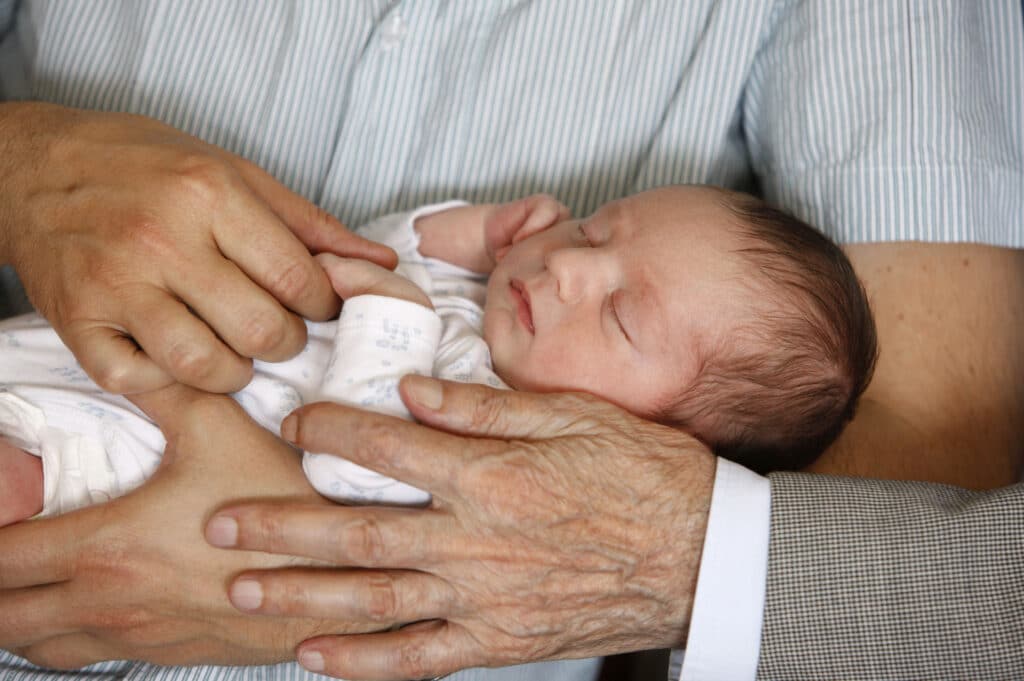
The mitzvah of brit milah, ritual circumcision, is among the oldest continually practiced rituals in the world. For almost four thousand years, beginning with our Patriarch Abraham, almost every Jewish male has entered the covenant between God and the Jewish People through the mitzvah of brit milah. Even today, we link our children and ourselves to our Jewish heritage through this important mitzvah. Am Yisrael Chai, the Jewish people still thrives!

In giving this gift to your son, you provide membership in an eternal people, bestow the blessings of holiness and sanctity, respond to the will of God, and affirm your family’s commitment to the lofty moral standards of the Torah and our Jewish traditions. You publicly assert that the repeated attempts to destroy our people will not succeed, that your family provides an ongoing link to our sacred past and our messianic future.

Because brit milah is such an important mitzvah, it is also an occasion of great joy. We celebrate the arrival of a new Jewish baby through blessings, song and a festive kosher meal after the ritual is complete. This guide will help you understand the significance of brit milah, and to celebrate the occasion joyously and traditionally.

Simhah or Surgery?

Some Jewish parents feel tempted to have a hospital circumcision rather than brit milah. Some even consider abandoning circumcision altogether. Often their motive, however ill-advised, is the health and well-being of the child.

Circumcision is safe. The most recent stand of the American Academy of Pediatrics (1989) is that there are “potential medical benefits to circumcision.” The California Medical Association overwhelmingly endorses newborn circumcision.

A mohel should do the circumcision. When a pediatrician does a circumcision in the hospital, it actually takes longer than when a mohel does it at home! It also loses the warmth and religious significance of brit milah.

To address both medical and religious concerns, the mohalim trained by Conservative Judaism are pediatricians who have received additional training in the religious laws of brit milah. They are able to assure the safety of your son while also making the ceremony, strictly in accordance with halakhah (Jewish law), one you will remember for the rest of your life.

Brit milah is not just a medical procedure. It is a sacred occasion, a moment of holiness for the Jewish people and a peak event in your family’s life.

Brit milah is not just a medical procedure. It is a sacred occasion, a moment of holiness for the Jewish people and a peak event in your family’s life. Only a mohel can make this moment both safe and sacred.

The Ceremony

The ceremony takes place on the eighth day following birth, during daylight. It is generally held in the home, unless the eighth day falls on the Sabbath or a holy day, in which case our communal practice is to transfer the ritual to the synagogue. In either case, a minyan (10 adult Jews) should be present to symbolically represent the entire Jewish people.

A special chair is designated as the “Chair of Elijah,” the prophet who announces the coming of the Messiah. Since any Jewish baby might just be the Messiah, every brit milah becomes a messianic event, which we mark by inviting Elijah to join us.

Parents designate three honored participants: the Sandak (traditionally one of the grandfathers) who sits with the baby during the brit milah, and the Kvater and Kvaterin (Godparents) who escort the baby into the room.

The obligation and privilege of circumcising the baby belongs to the parents, who recite a blessing before and after the actual circumcision. Since the responsibility is theirs, the parents also have the option of performing the final cut after the mohel has prepared and positioned the baby. Of course, the parents can decline this honor, choosing instead to let the mohel act as their agent. After the brit milah is complete, either the rabbi or the Mohel blesses the child and bestows his name.

The event concludes with a festive meal. Since the meal itself is part of a religious celebration, it should be in accordance with kashrut, the Jewish dietary laws. This is easily accomplished by serving only dairy foods (no meat or poultry), fish (except for shellfish), breads and baked goods (that use only vegetable shortening).

The Meanings of Brit Milah

–The birth of a child is one of the most exhilarating experiences in the world: the most God-like act a couple can perform. The birth of a child is also one of the most terrifying experiences: a weighty, lifelong responsibility for the welfare of another person, the recognition that we are mortal, the end of our youth. Blood is a powerfully ambivalent symbol of life and of death. What more appropriate medium can there be to dramatize the ambivalence of childbirth than by requiring the ritualized shedding of blood to express the parents’ hopes, fears, joy and panic?

–Ours is an age that no longer hears the divine voice in standards of sexual morality.  We no longer know how to sanctify our sexuality, and many dispute whether we should even try. Is our sexuality a mere drive, or is it a gift of God, to be used to enhance the divine image in our loving partner? Brit milah represents the Jewish conviction that sexuality can be, must be, sacred. Sex can strengthen responsibility and commitment, or it can destroy trust and self-worth. By cutting away the foreskin, we pledge to harness sexuality to sanctify, to enjoy the gift of sex in an affirmative, life-supporting way.

–Ours is an age of shattered male identity and friendship. Brit milah establishes a powerful, non-verbal bond between fathers and sons that constitutes an eloquent reminder to look to Judaism for a new/old vision of what is truly masculine: men who are profoundly spiritual, who value life-long learning, who are not ashamed to dance, to cry, or to sing, men who love their families and their faith, men who can nurture other people.

We still need brit milah.


Rabbi Dr Bradley Shavit Artson (www.bradartson.com) holds the Abner and Roslyn Goldstine Dean’s Chair of the Ziegler School of Rabbinic Studies and is Vice President of American Jewish University in Los Angeles. A member of the Philosophy Department, he is particularly interested in theology, ethics and the integration of science and religion. He is also dean of the Zacharias Frankel College in Potsdam, Germany, ordaining Conservative rabbis for Europe.

“On The Eighth Day, In Every Generation”: A Guide To Brit Milah Read More »

Israeli Killed as Gaza Rocket Makes Direct Hit on Rehovot Building

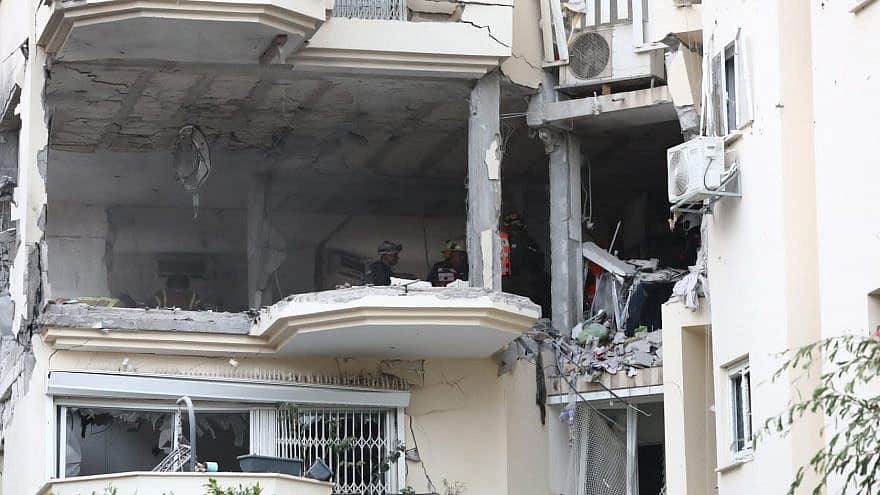
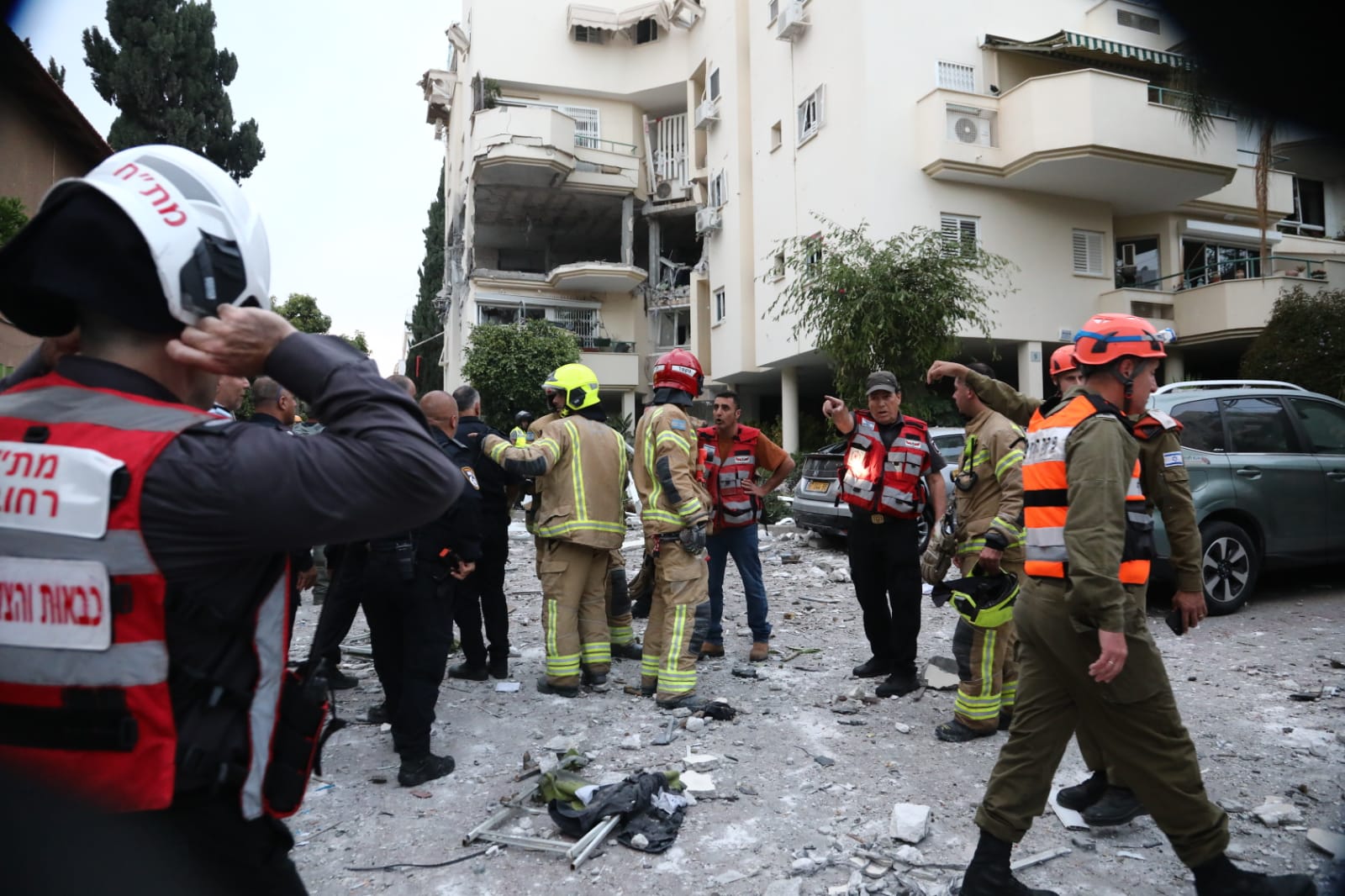
An Israeli man was killed when a rocket fired from the Gaza Strip struck a four-story building in Rehovot, 12 miles south of Tel Aviv, on Thursday evening.

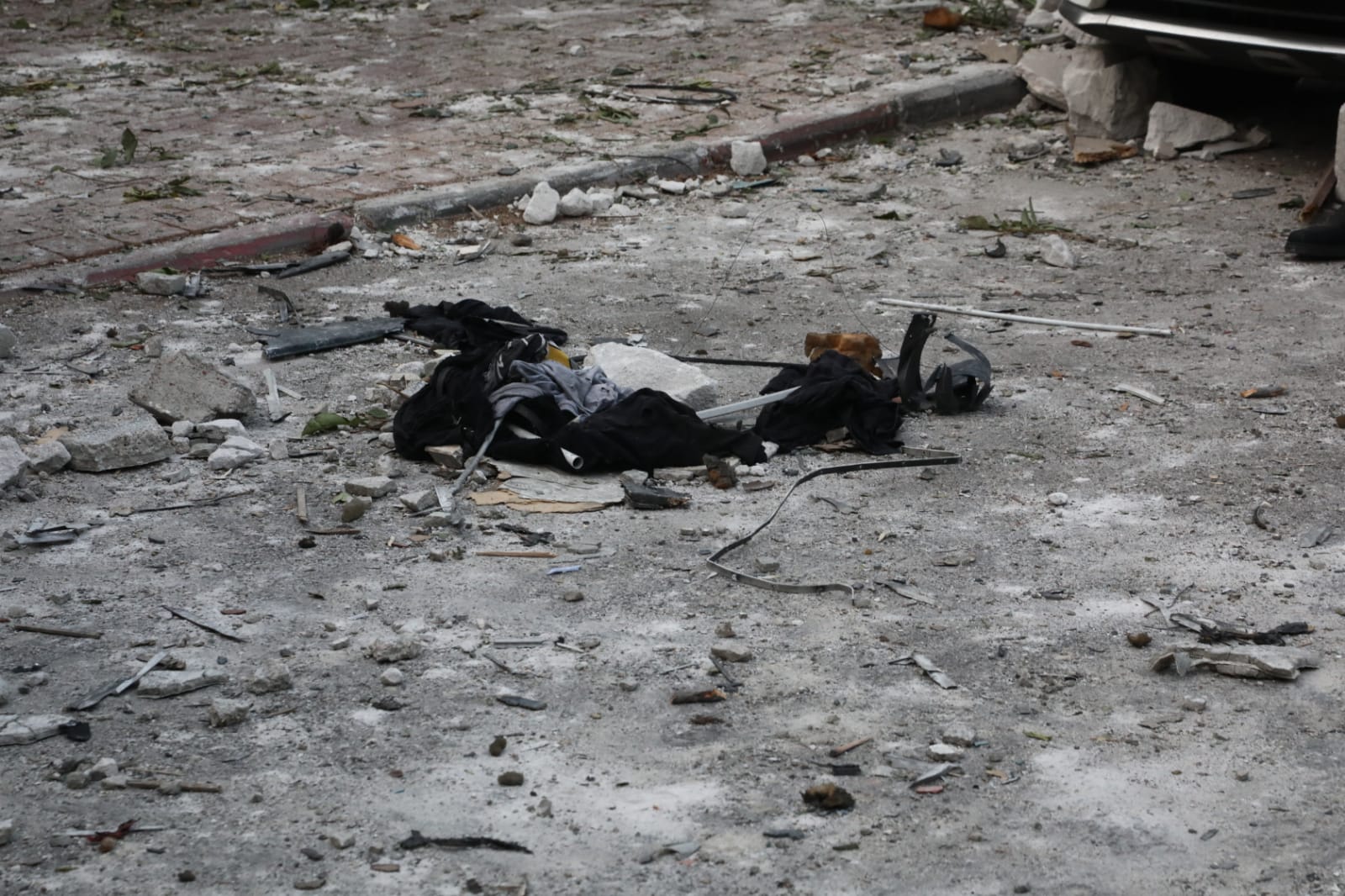
The unidentified man’s body was reportedly found under the rubble.

It is the first Israeli fatality since the start of “Operation Shield and Arrow” against Palestinian Islamic Jihad in the Gaza Strip.

Five other people were wounded in the rocket attack.

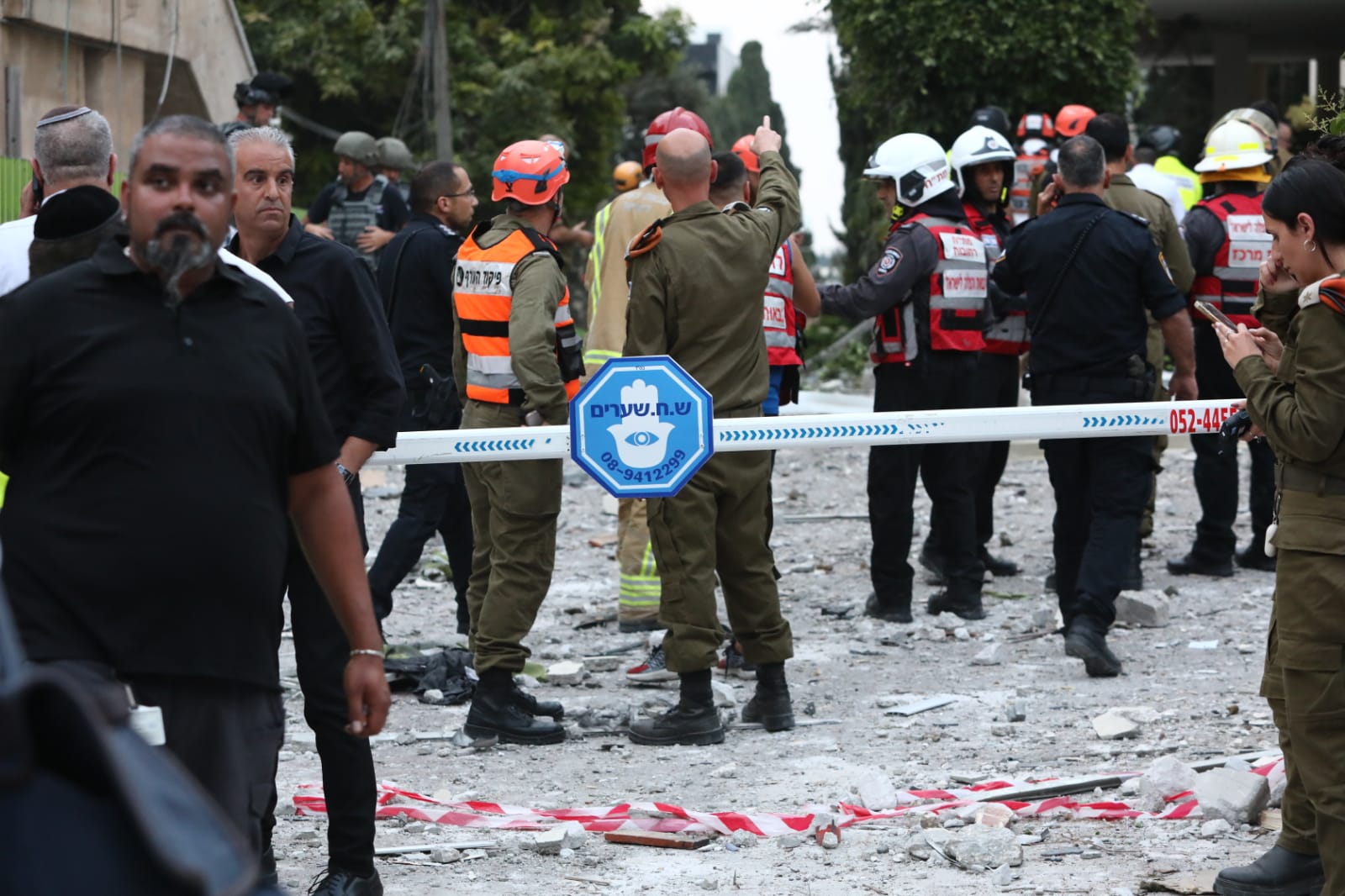
Police officers were searching the site and sappers were removing parts of the rocket. Authorities reiterated calls for civilians to follow the relevant safety guidelines. The rocket fire was the first directed towards central Israel since the previous day.

Closer to the Gaza Strip, a foreign worker was hurt by shrapnel from the latest barrage on the Eshkol region. He was treated at the scene and taken to the hospital. His condition was not immediately clear.

An 82-year-old woman was lightly wounded by shrapnel in the Sdot Negev region. According to the Magen David Adom emergency medical service, the rocket hit outside a home. The woman was taken to Soroka Medical Center in Beersheva.

Another direct hit in Sderot failed to injure anyone.

Israeli residents gather near the site of a rocket fired from the Gaza Strip that struck a four-story building in Rehovot, killing a man, May 11, 2023. Credit: Gideon Markovich/TPS.

Israeli Defense Minister Yoav Gallant requested on Wednesday Cabinet approval to extend the emergency declaration in force for communities situated within 40 kilometers (25 miles) of Gaza to all those located within 80 km. of the terrorist enclave.

The extension of the status would enable the IDF to determine safety guidelines for the civilian population, prevent large gatherings and close relevant sites in parts of central Israel, including in Tel Aviv.

The Israel Air Force on Thursday afternoon killed a fifth PIJ terrorist leader since the start of “Operation Shield and Arrow.” Ahmed Abu-Deka, a senior member of the Islamic Jihad rocket-aunching force, was targeted.

As of 2:30 p.m., the Israel Defense Forces reported that Gaza terrorists had fired 547 rockets and mortar shells at Israel since Tuesday morning. Out of these 547 launches, 394 projectiles crossed into Israeli territory and 124 fell short in Gaza. Four Palestinian civilians, including a 10-year-old girl, were killed by the failed rocket launches, according to the IDF.

Israeli aerial defenses intercepted 175 rockets on their way to populated areas.

The IDF said it targeted 166 terrorist sites in the Gaza Strip since the start of the military operation.

Site after a rocket fired from the Gaza Strip struck a four-story building in Rehovot, 12 miles south of Tel Aviv, on May 11, 2023. Credit: Gideon Markovich/TPS.

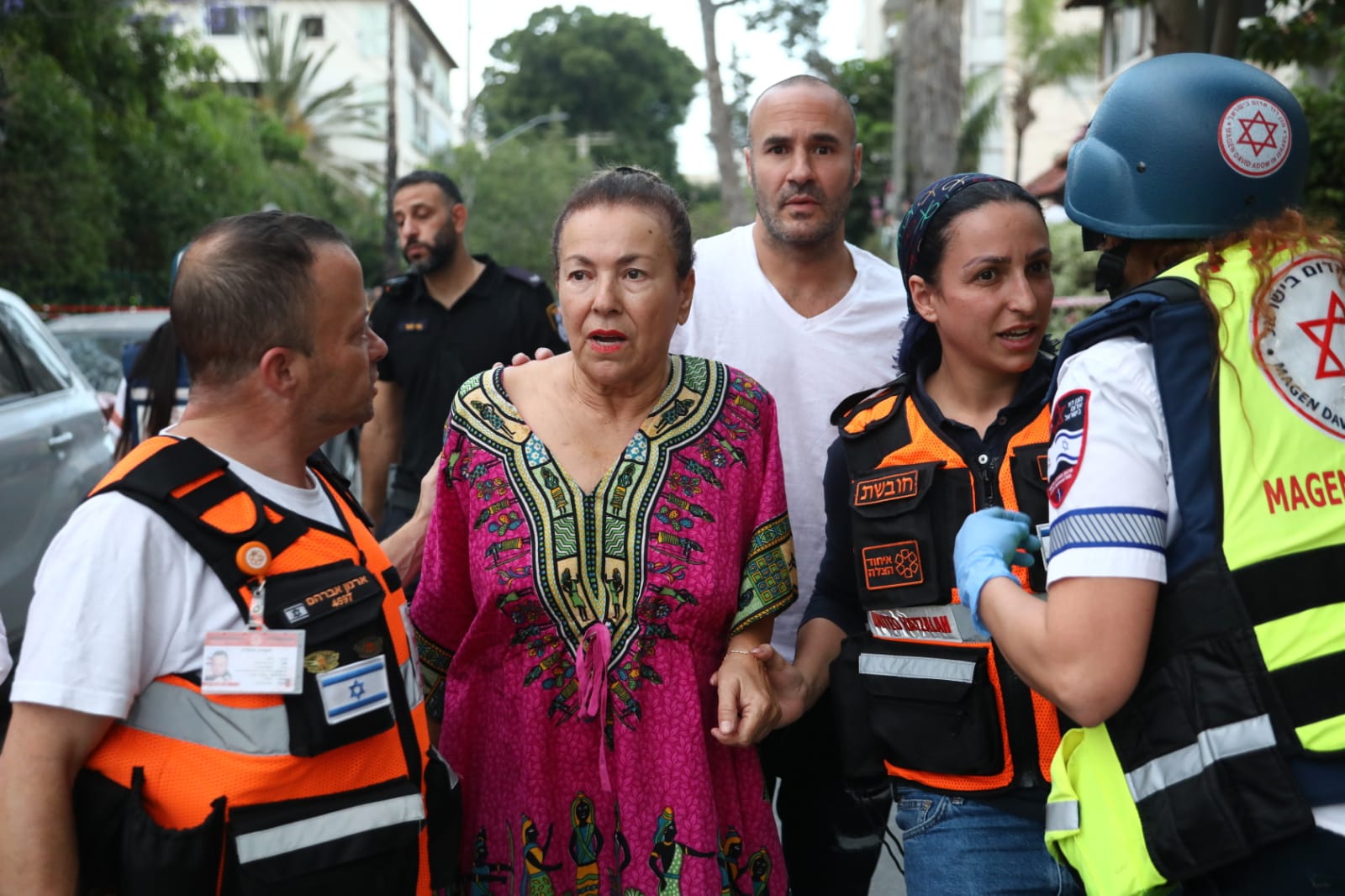
Israeli emergency workers and security forces assist at the site of a rocket fired from the Gaza Strip after it struck a four-story building in Rehovot, 12 miles south of Tel Aviv, May 11, 2023. Credit: Gideon Markovich/TPS.

Israeli emergency workers and security forces assist at the site of a rocket fired from the Gaza Strip after it struck a four-story building in Rehovot, 12 miles south of Tel Aviv, May 11, 2023. Credit: Gideon Markovich/TPS.

Israeli Killed as Gaza Rocket Makes Direct Hit on Rehovot Building Read More »

Pahlavi at ADL: Iran is our Temple, Help Us to Rebuild It

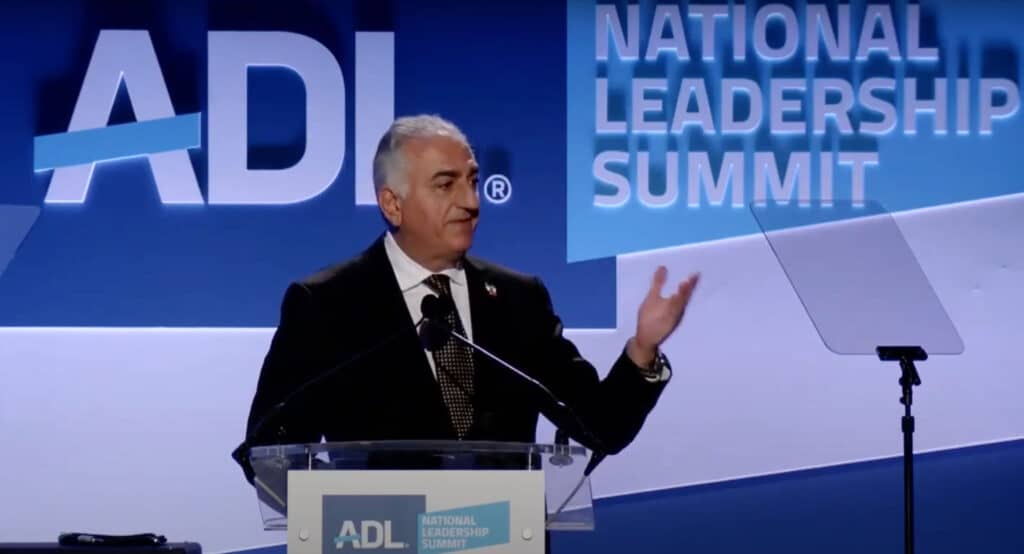
Last week, Crown Prince Reza Pahlavi, the son of the late Mohammad Reza Shah, gave a touching and significant speech at the Anti-Defamation League’s 2023 National Leadership Conference. Pahlavi echoed the poignant words of Reverend Martin Niemoller’s famous quote, “first, they came for the Socialists…” Neimoller implied that continued silence in face of discrimination and violence against successive groups, beginning with the Jews, was a form of complicity with the atrocities committed against them. Crown Prince Pahlavi stressed that hatred, suppression and violence against the Jews by a ruling power can spread quickly to many other groups in society. In the words of Rabbi Lord Jonathan Sacks, “the hate that begins with Jews never ends with Jews.”

Pahlavi was, of course, referring to the Islamic Republic of Iran, the world’s leading sponsor of Jew hatred, terrorism and Holocaust denial. Not coincidentally, this regime is also one of the most grotesque violators of the human rights of its own people. Noting that the regime was born with the persecution of Jews and the execution of Jewish community leader Habib El Ghanayan, Pahlavi noted that the regime quickly moved on to other groups including women, the Baha’i, Sunni Muslims, Christians and “Shia Muslims who did not subscribe to [the Ayatollah Ruhollah] Khomeini’s perverse interpretation of our faith.”

Few realize that the prince’s father had been slandered relentlessly with antisemitic rhetoric by Khomeini before the 1979 Islamic revolution. Many only remember Khomeini as the Ayatollah who “suddenly” deposed the Shah in 1979 to create the world’s very first modern Islamist theocracy. But Khomeini had been a thorn in modern Iran’s side since the 1960s, when he and other senior clerics opposed the Shah’s secular reforms that would reduce religious influence in Iran. These reforms included a coed literacy corps, and extending the vote to women and non-Muslims, including Jews.

Khomeini gave a now historical speech in 1963 at an important seminary in Qum, Iran, where he used antisemitic conspiracies as his primary rhetorical device to inspire his followers to oppose the Shah and his reforms. Using the typical antisemitic tropes of Jews as “cunning” and “greedy,” Khomeini framed Israel—and not the Shah—as the agent who wishes to “destroy the Koran, the clergy, and Islam itself.” Khomeini added that Israel was about to “steal Iran’s wealth for itself … they [the Jews] are all friends of the dollars. They hold no belief or moral principles, and they have no sense of loyalty.” Khomeini portrayed the Shah as Israel’s puppet. He even “accused” the Shah of being a “secret Jew” and suggested that the “equality between men and women” a plot instigated by another persecuted minority, the Baha’i.

The speech was so bombastic that some of the Shah’s ministers pressed for Khomeini’s execution. But the Shah’s Chief of Internal Security (Savak), Major General Hassan Pakravan, convinced the Shah to delay the execution. In the meantime, Pakravan consulted with two senior clerics who urged eighteen others to hastily travel to Tehran to bestow onto Khomeini the rank of Ayatollah. This rank would save Khomeini because the execution of Ayatollahs was illegal under the constitution. Khomeini was instead exiled to Turkey briefly, and then at his request, to a seminary in Najaf, Iraq. (In return for general Pakravan’s protection of Khomeini from execution, the Ayatollah thanked him by executing him immediately after he took power in 1979.)

While in Iraq, Khomeini spent fifteen years cultivating ties with other religious fundamentalists and, more importantly, with anti-Israel militants including the Muslim Brotherhood. His religious doctrine, codified in his 1970 manifesto, “Guardian of the Jurist,” contains edicts much more like the antisemitic Muslim Brotherhood than traditional Shia jurisprudence, which aims for coexistence with the state.

Crown Prince Pahlavi knows that the main pillar of the Iranian regime is premised upon antisemitism and that the regime’s discrimination and hate has extended to greater sectors of Iranian society. This fact was reinforced by Jonathan Greenblatt, Executive Director of the Anti-Defamation League, who stated that the Islamic Republic is “as dangerous as Al Qaeda [and the Muslim Brotherhood] in its refusal to acknowledge the legitimacy of the Jewish democracy … it is an armed militia that has focused not on feeding its own people but on subjugating its citizens and spreading terror across the region.”

Crown Prince Pahlavi knows that the main pillar of the Iranian regime is premised upon antisemitism and that the regime’s discrimination and hate has extended to greater sectors of Iranian society.

Indeed, the regime has shot thousands of protesters dead and arrested tens of thousands in successively stronger protests in 2009, 2017, 2018, 2019 and 2022-2023. In November 2019 alone, the regime murdered more than 1500 protesters and arrested approximately 20,000. Last fall, the death of the young 22-year-old Mahsa Amini at the hands of the morality police triggered an unprecedented national uprising that is ongoing. This uprising resulted in 520 deaths including 65 children, and hundreds of youth were blinded by pellet guns misused as anti-riot weapons. To date, tens of thousands of arrests have taken place, and the regime has increased its beating and subjugation of women who refuse to wear hijab.

In the 235 days since the “Mahsa Uprising,” the regime has not been able to shoot and arrest their way into the suppression of dissent. In the week leading up to May 1, International Workers Day, Iranian laborers including petrochemical, industrial, education, healthcare and university students and retirees staged nationwide strikes and protests that have alarmed the regime and are planning to continue.

In his speech at the Anti-Defamation League, Pahlavi recalled the time during WWII when Iran gave refuge to tens of thousands of refugees fleeing the Nazis and the Soviets, including 5,000-6,000 Jews. He also recalled when Cyrus the Great, the first Persian monarch, enabled the Jews exiled in Persia to return to Jerusalem to rebuild their temple. Now, Pahlavi asks for the help of the Jewish and international community to support the protests of the Iranian people and their fervent desire to be free. The international community must undertake the greatest collective measures to ensure that the virus of hate unleashed by the Islamic Republic will never again infect other bodies politic. Ending this regime and its abuses represents the promise of peace and tolerance in the Middle East and the global community. Invoking the glory of the rebuilding of the second Jewish temple, Pahlavi said “Iran is our temple, help us to rebuild it.” His plea, if heeded, could bring about a change of Maccabean significance.


Jessica Emami, PhD is an Iranian American Research Fellow at the Institute for the Study of Global Antisemitism and Politics (ISGAP).

Pahlavi at ADL: Iran is our Temple, Help Us to Rebuild It Read More »

Israel, Morocco Co-host Women in Innovation Conference in Marrakesh

To read more articles from The Media Line, click here.

Almost 100 female business leaders from four continents gathered in Morocco last week for the Women Connect to Innovate conference where they discussed women-driven innovation as a path to regional prosperity.

The three-day conference in Marrakesh was hosted by the Israeli nonprofit Start-Up Nation Central and Morocco’s Consensus Public Relations firm.

The collaboration between an Israeli nonprofit and a Moroccan firm involving women from across the Middle East and Africa served as a reminder of how much Israel’s position in the region has improved in just a few years.

The 2020 Abraham Accords normalized Israel’s relations with the United Arab Emirates, Bahrain, and Morocco. In 2021, Sudan signed on as well. Since the signing of the agreements, the countries have established substantial partnerships with Israel.

Conferences like this one and other forms of innovation diplomacy have helped Israel to cement its partnerships with countries in the region.

Aviva Steinberger, director of innovation diplomacy at Start-Up Nation Central, told The Media Line that innovation diplomacy is about “leveraging the ecosystem in the country in order to create resilient ties with countries in the region and focusing on addressing shared and global challenges.”

“It’s building relationships based on innovation collaboration,” she said.

Start-Up Nation Central’s mission is to connect Israeli innovation to the rest of the world. The Women Connect to Innovate conference specifically focused on bringing that innovation in an equitable way.

According to the Israel Innovation Authority, women make up only a third of the Israeli high-tech workforce. Less than 10% of high-tech CEOs in Israel are women. For Arab Israeli women, the numbers are even lower relative to their share of the population.

Rates of women working in high tech throughout the Middle East and Africa are lower than rates in Israel, Steinberger said. She said that conferences like Women Connect to Innovate help support the women in high tech by connecting them with “an entire network of women in leadership positions all across the region.”

Attending the conference expanded the women’s networks to include experts in fields such as investment and software engineering, potentially crucial factors to growing a business that may have been absent from the women’s networks until then, Steinberger said.

The United Nations Generation Equality Forum says that technology plays a major role both in achieving gender equality and in promoting sustainable development. But in order for technology to bring about gender equality, technology itself needs to become more equitable. Factors such as a significant gender gap in cell phone ownership in low- and middle-income countries create a barrier to women’s integration into high tech.

Justine Zwerling, a founding member of the Gulf-Israel Women’s Forum and head of the Middle East branch at Shore Capital Markets, was one of the participants in the conference.

“Such an event shows exactly how the future needs to be built,” Zwerling told The Media Line. “Women are natural supporters of each other and they need to make sure they have more of an extensive network.”

She said that supporting women is a great investment for any economy, given how much work women take on inside and outside the home.

Aida Kandil, the CEO of an e-commerce platform meant to connect Moroccan small-business owners with consumers from around the world, also said that the event could help bring about a better future.

“It is important to have such gender events that allow us to think on how we can join forces and make changes,” Kandil said.

Steinberger said that the women who attended were able to discuss their visions for the future without minimizing their own identities.

“The women participated with all the different hats they wear in their daily lives—business leaders, mothers, daughters, wives. All the roles really factor in how women bring themselves in their leadership and in their businesses. It was about how we can support each other to generate economic prosperity and chartering a vision for what the future of the region could look like by recognizing the inherent strength that women have in forging connections,” she said.

The challenges faced by the women who attended have to do with many factors other than gender. Many of the countries they represented are dealing with water scarcity, food insecurity, and various military threats. Steinberger insisted that those tensions could be addressed without making the event a political one.

“While we cannot ignore the fact that we are all influenced by the politics of the region, we focused on the role that innovation and connection play to make sure that relationships in the region are resilient,” she said. “The hope is that through these personal relationships we built, the relations between the countries will withstand the tensions we face in the area.”

Zwerling described the conference as “a zero-politics event.”

One of the workshops at the conference focused on women’s confidence, especially in a business or fundraising setting. Zwerling said that many of the women at the workshop struggled when asked to speak highly of themselves.

“The women were stuttering,” she said. “Women are always dealing with the issue of confidence. For a lot of the women, of all ages, the session resonated with them and broke through a lot of personal barriers allowing them to go forward with strength.”

Kandil said that some aspects of traditional gender roles will need to shift to allow women to make headway in the high-tech field.

“More women need to be convinced to start entrepreneurship journeys and take more leadership roles,” she said. “In Morocco, this is not always a given.”

The conference ended with the unveiling of a new graffiti wall in Marrakesh featuring images inspired by the conference. The wall was created by artists from Israel, Morocco, and Senegal.

Graffiti wall in Marrakesh, jointly created by three artists from Israel, Morocco and Senegal. (Courtesy Start-up Nation Central)

Israel, Morocco Co-host Women in Innovation Conference in Marrakesh Read More »