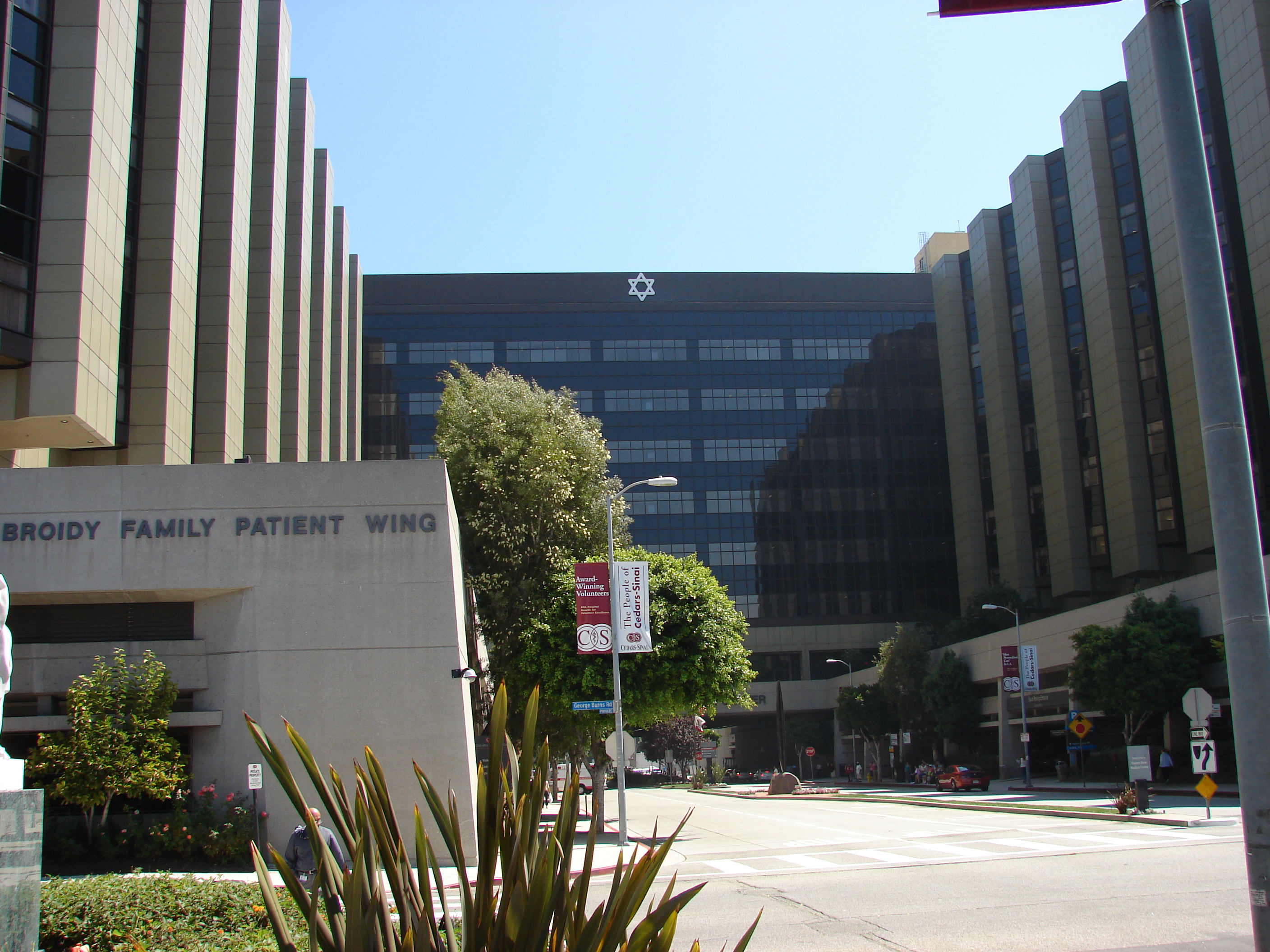
Cedars-Sinai Medical Center once dutifully held a holiday concert. The annual show, put on in a small auditorium on the periphery of the medical campus, contained discreet references to Christmas with a couple mentions of Hanukkah. But the bulk of the program centered around songs of sleigh rides, snowfalls and winter frivolity.
Then, several years ago, we decided to scrap the holiday program in favor of the annual Cedars-Sinai Christmas Concert. The idea was to bring greater meaning to an event with important religious underpinnings for so many who work and spend time at the hospital.
These concerts typically open with a Christian prayer led by one of our staff chaplains. Carolers wearing Santa hats sing Yuletide favorites like “O Come All Ye Faithful” and “O Holy Night.”
The event now is held in the medical center’s main auditorium, which also features a 12-foot-high mural honoring Jewish pioneers in medicine. It features a reading from the Gospel of Luke or another book from the New Testament about the origins of Christmas amid murals depicting Maimonides, Sigmund Freud and other great Jewish scholars.
I’m often asked: Why would a Jewish hospital stage a Christmas concert? My answer is easy: For the same reason it celebrates Diwali, the Hindu festival of lights and holds a nightly iftar break-fast during Ramadan. (We also gather during Hanukkah for a candle-lighting ceremony and mark other Jewish holidays, but this is hardly news to most.)
Honoring other faith traditions is an integral part of what it means to be a Jewish hospital. More than a century ago, Jewish hospitals were established primarily because most of their American counterparts refused to hire Jewish doctors or treat Jewish patients with dignity and respect — or at all, for that matter. These Jewish institutions were never intended to be exclusively Jewish. They were meant to be open to everyone.
As a Jewish hospital, we have a special obligation to be attuned to what it feels like to be alienated, separated or excluded.
We have a special obligation to be attuned to what it feels like to be alienated, separated or excluded.
When our original holiday concert was organized, it was done with the best of intentions. Even in name, the point was to avoid offending anyone or appearing to be exclusionary. However, it unwittingly became a mishmash, a watered-down version of its true inspiration.
We all knew it was a Christmas concert. Why not treat it like one?
Rabbi Joseph B. Soloveitchik, one of the 20th century’s most influential Orthodox figures, once wrote that there can be no identity without uniqueness. To preserve this distinctiveness, he argued, each group must be allowed to flourish on its own and in its own context.
We are charged in our daily work at Cedars-Sinai with healing the sick, comforting the dying and providing the best possible medical care for all. In this, we are unified. But in our religious and spiritual beliefs, we want people to express themselves in ways that are most meaningful and genuine to themselves.
I do play one small part in the annual Christmas concert, and it is one that I always look forward to. Toward the end of the hourlong lunchtime program, I go up to the podium — not only as a rabbi but in my role as administrator of the Spiritual Care Department. I thank our department for organizing another wonderful show and recognize the performers and support crew who set the stage, the lights and the decorations, which create such a festive mood. I thank the overflow crowd for attending.
And then I say something that may surprise people, and even sometimes draws a laugh, because it’s coming from a bearded man in a yarmulke. These parting words are meant to convey my respect for the Christian observance and honor the faithful who are celebrating.
I say simply, “Merry Christmas!”
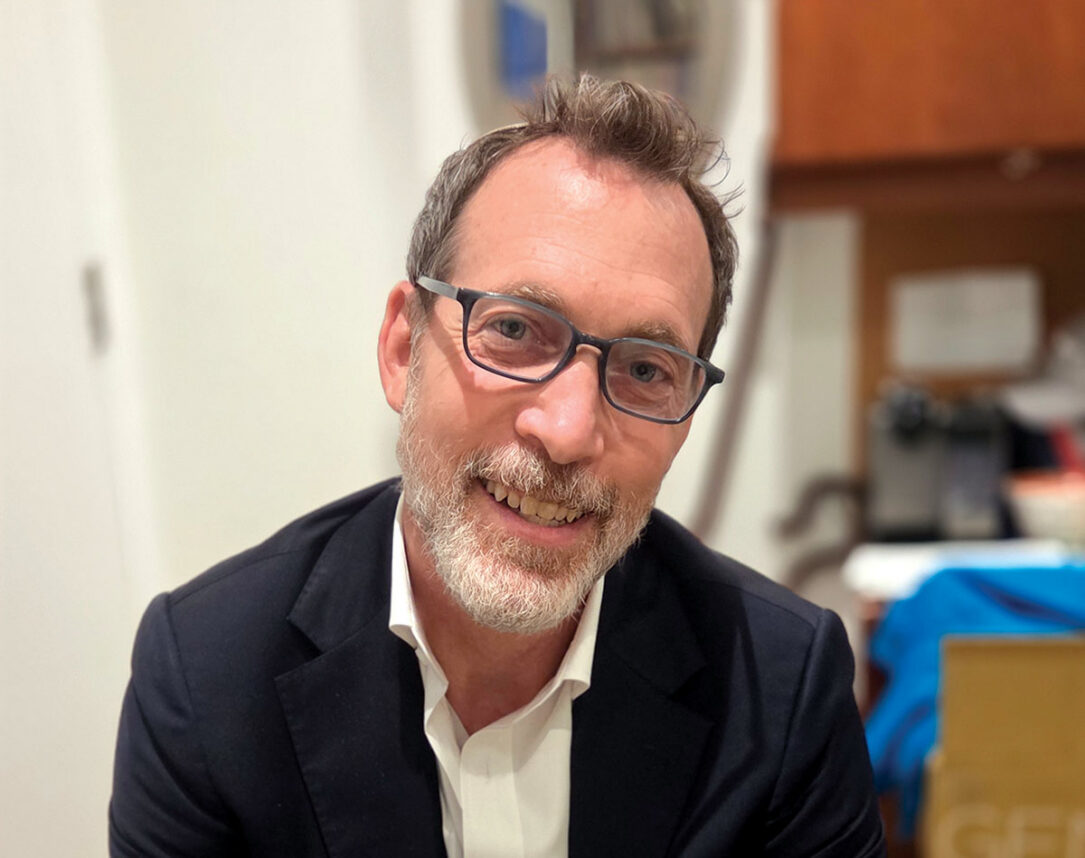
Rabbi Jason Weiner is senior rabbi and manager of the Spiritual Care Department at Cedars-Sinai.