As we celebrate Passover, it is important to remember that as great as the miracle of the Exodus was, freedom was only the beginning. I know this from reading the Torah, but I also know from personal experience.
I was born in Uganda to Jewish parents at a time when it was illegal to be a Jew in my country. Uganda’s dictator, Idi Amin, was a modern-day Pharaoh, outlawing everything Jewish from prayer to practice. Many of our Jewish elders, including my father, the community rabbi, were beaten and imprisoned. Our synagogue was destroyed. Under these dangerous conditions, most of the 3,000 Jews in Uganda abandoned their faith.
Nearly a decade later, on April 11, 1979, corresponding to 14 Nisan, 5739, Amin was deposed. It was the first night of Passover when the government declared freedom of worship. For us, it was a true Passover miracle.
However, as exciting and meaningful as the Passover celebration was for us that year, it was, as in ancient times, only the beginning. In the days, months and years that followed, we have engaged in the task of rebuilding our community. Like the journey of the Israelites in the desert, that work has been filled with many joyous moments as well as challenges.
Over the last 35 years, the Abayudaya, as the Jews of Uganda are called, have experienced many successes. Like the Israelites, one of our first priorities was building a place of worship. Our small synagogue serves not only as a house of prayer but also as a meeting place for education and gathering for the entire community. And just as Jethro deputized leaders to help Moses, we have built a yeshiva that is training the next generation of African Jewish leaders.
But as we know from the Israelite experience, growing and moving a community forward is difficult, and complaints are inevitable. Throughout the wanderings in the desert, the Israelites grumbled and complained. Had this been the dominant narrative of the ancient biblical wanderings, it would have only fueled the discontent and hindered progress.
Among the Abayudaya there are similarly those who grumble as we grow. It is unfortunate that these complaints and some religious differences within our community have been the recent focus of mainstream Jewish media — disproportionate to their importance.
For all our successes, there are indeed challenges. We are a poor community, and our resources are limited.
But focusing on the complaints shows an incomplete picture of the real miracles of growth, connection and possibility that we have created in a short 35 years. There is more work to be done, and there are theological disagreements — we are Jews, so it could not be otherwise. But today there are African children learning Hebrew, and men and women are celebrating Shabbat, and we have not had a death from malaria in five years. It is extraordinary.
Unlike the ancient Israelites, our vision of a promised land is not solely focused on Israel. Rather, we dream of continuing to grow a vital and vibrant Judaism that thrives naturally in our native Uganda.
Because our numbers have swelled, with the help of Be’chol Lashon and Jews around the world we are about to build a new synagogue and community center. Not only will it serve as house of prayer but also, like the manna, feed those in need through a sustainable food program. Additionally, it will house a child-care center so mothers of all faiths can study and work, and children can be provided with a stimulating environment to learn.
These vital services benefit more than just the Abayudaya, allowing us to proactively combat anti-Semitism and live in peace with our Muslim and Christian neighbors.
No institution or community is perfect, and we understand that even as successes come, discontent is inevitable. But do not be fooled. These are minor complaints that should not take away from the miraculous reemergence of Jewish life in Uganda, no matter the denomination.
And at Passover, more than any time of year, we as Jews should be celebrating this miracle.
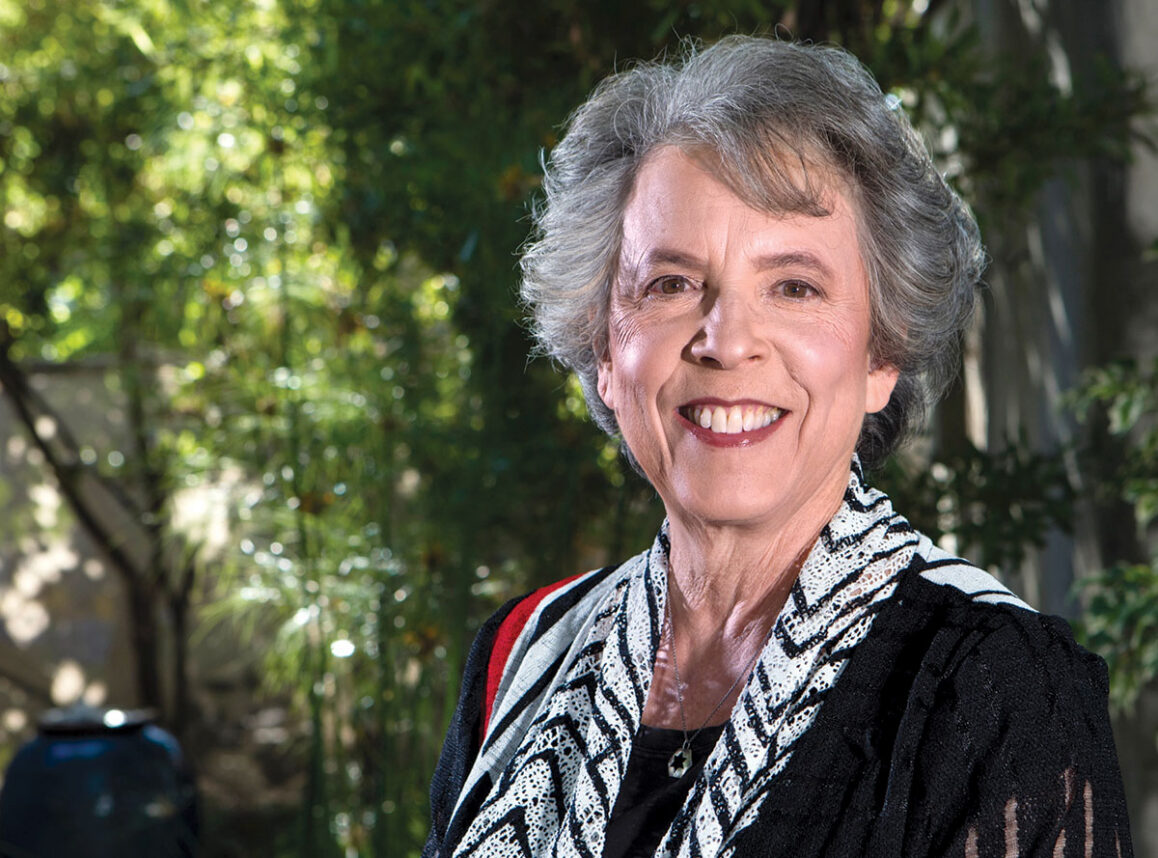
(Rabbi Gershom Sizomu, a graduate of the Ziegler School of Rabbinic Studies in Los Angeles, is the leader of the Abayudaya Jewish community in Uganda and Be’chol Lashon’s Africa regional director.)