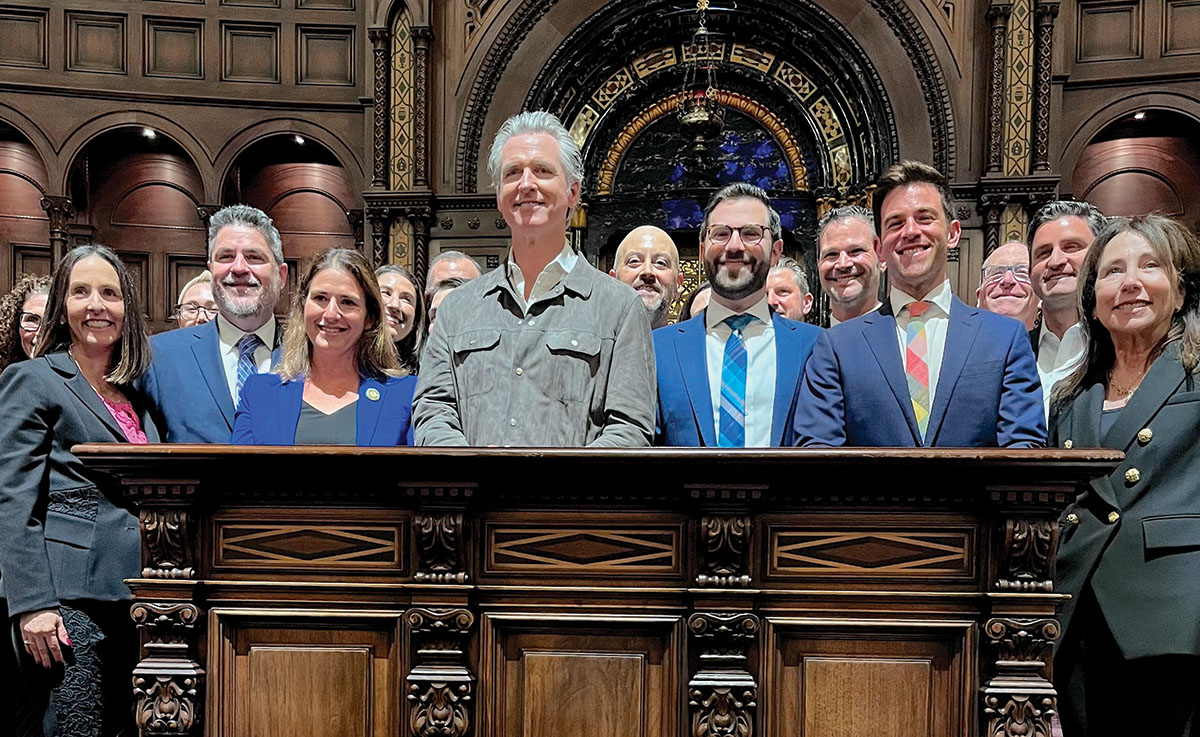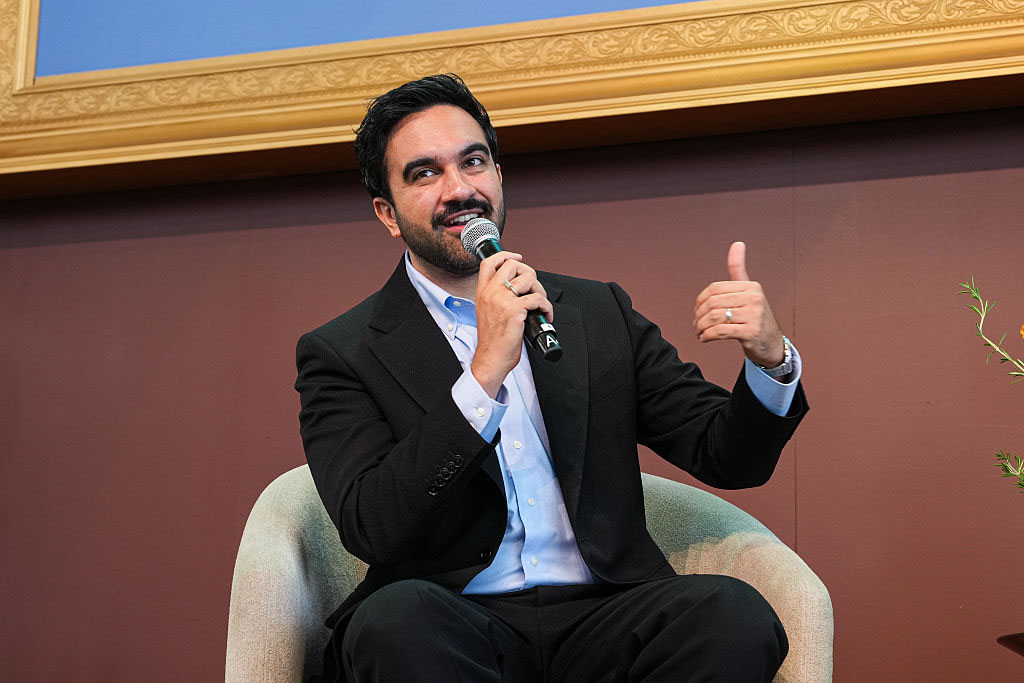
I wasn’t supposed to break down at the Oct. 7 memorial at the Saban Theater.
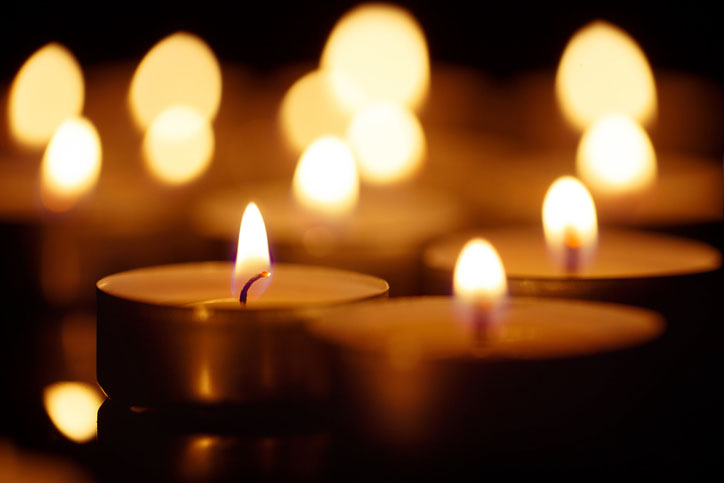
They asked me to introduce the candle lighting ceremony. There was no speech for me to write. I was to call up those who would light the candles.
I expected it would be emotionally difficult, but I was determined to keep my composure. I didn’t want to draw attention away from the main event: the stories behind the candles, as told by those lighting them.
My plan broke down as soon as I began the introductions:
“More than 300 IDF soldiers were killed on October 7, and we have lost over 600 more in the war since then. These brave Israeli men and women of all ages lost their lives defending our people and our homeland, and we will never forget their courage and their strength.”
The fact that I paid close attention to each word completely threw me off. Standing in front of 2,000 people and having to utter words like “300 IDF soldiers were killed” and “brave Israeli men and women of all ages lost their lives” blocked my throat. It brought back too many images, too many news stories.
I slowed down, but kept going: “Please welcome, to light the first candle, in honor of the Fallen Soldiers from October 7 and in the war that followed, former IDF Special Forces Combat Medic, Dean Golan Cohen.”
I figured that while Cohen spoke, I would regroup. But how could I regroup when he spoke words like:
“I want to take a moment to remember my commander, Hamami. He was the kind of leader who made the people around him want to be better not through orders, but through the way he carried himself. He led from the front and never asked anything of us that he wasn’t ready to do first, and he looked after the people under his command as if each of us were his own family members. In the hardest moments, his steadiness was the thing that held us together.
“We don’t measure a man like Hamami by the years he was given, but by what he leaves behind in the soldiers he shaped, the standards he set, and everyone whose lives he touched. He is gone, but the mark he made on us doesn’t fade.
“He was killed during the Nirim attack on October 7, 2023, and his body was kidnapped to Gaza by the Hamas terrorists. He was among the highest ranking IDF soldiers to be killed on October 7th, and his funeral in Israel was attended by thousands.
“May we honor him by living up to the example he set. In this moment, we remember all the brave soldiers we lost on October 7th and in the war since then.”
That is pretty much how it went for all seven candles: I would struggle to keep my composure while reciting words designed to tear it apart.
What choice did I have?
The uniqueness of Oct. 7 is precisely that it is unique, horribly unique. No tragedy we’ve witnessed in our lifetime comes close to that enduring nightmare. Yes, we have lives to lead, and we can’t allow the memory of Oct. 7 to paralyze us.
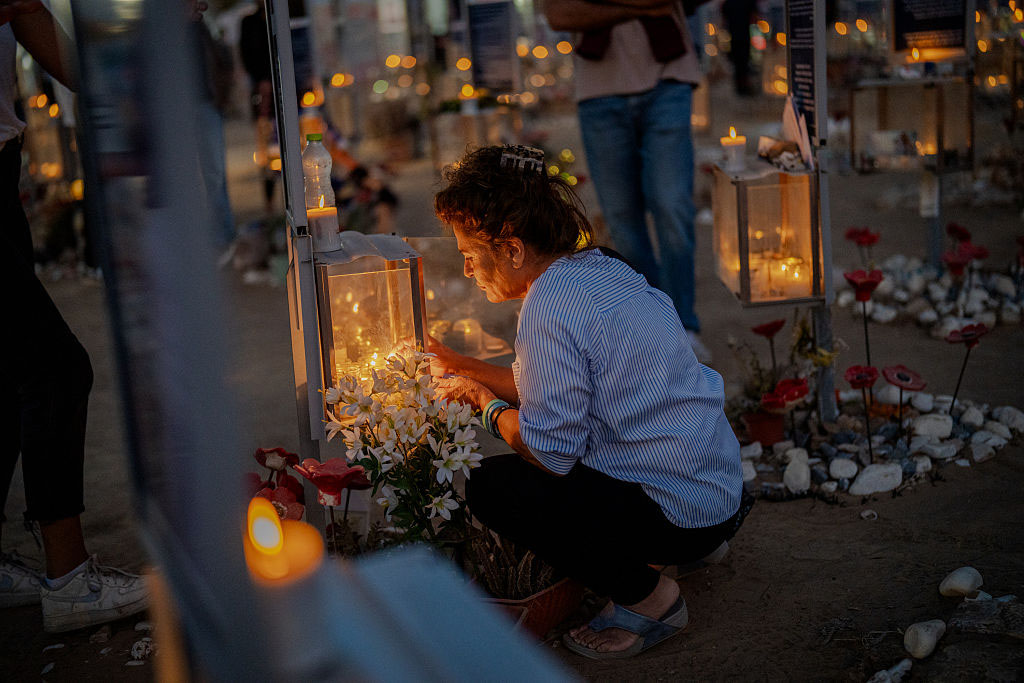
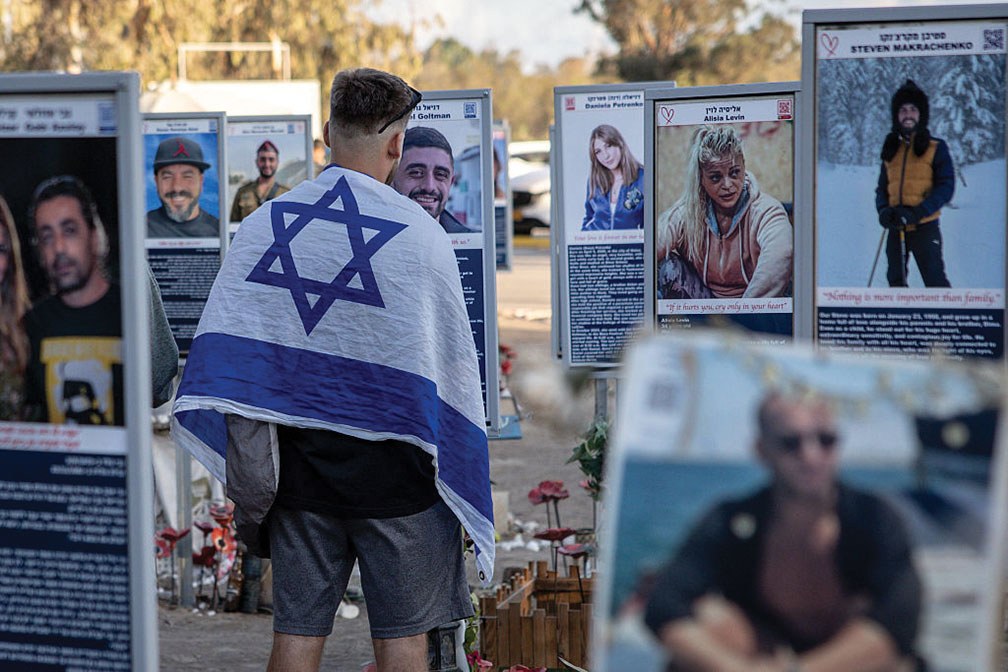
When you’re at a memorial, though, you realize that the horror does paralyze you. There is nowhere to go. There is no moving on. There is nothing to do but see candles, hear stories.
How could I have kept my composure when I had to say and hear things like:
“Of the 251 people kidnapped from Israel into Gaza on October 7, 85 of them did not come home alive.”
“We now light a candle in memory of the hundreds of residents of the Kibbutzim, Moshavim, and towns near the Gaza border who were murdered, as well as for the children who were tragically, brutally murdered on October 7th, or afterwards, in captivity.”
“The Hamas attack at Nova stole the lives of 364 young adults, the largest number killed at any single location on October 7.”
“We honor all those civilian heroes who put their lives on the line that day.”
“We honor the fallen first responders and police, who bravely gave their lives in service of our people and our country.”
“We honor the lives of those who were lost to antisemitic violence in the three years since October 7.”
About midway, I thought I had regained my composure and told the audience the stories were giving me strength.
But who was I fooling? As soon as I went back to reading about fallen heroes, I went back to my natural state: impossible grief.
Memorials, especially a memorial for an unspeakable tragedy, are a reminder that, in the end, we can never really “move on.”
We must move forward because we have no choice; because that is the Jewish way; because that is how we can best honor the memories of those we lost.
And yet, as I stood on that stage, I also realized that no matter how hard we try, Oct. 7 will always stay with us. That day of days will always be there, ready at any moment to break our composure.
Maybe that’s how it should be.
Shabbat shalom.