
Who knew that a Republican governor from Utah would come up with what I consider the simplest and most valuable insight of the year?
“Social media is a cancer on our society right now,” Gov. Spencer Cox said while announcing an arrest in the killing of Charlie Kirk. “I would encourage people to log off, turn off, touch grass, hug a family member, go out and do good in your community.”
Log off, turn off, touch grass.
We’ll hear plenty of sermons during the upcoming High Holy Days, but I can’t help wishing that every rabbi finds a way to squeeze in that message.
Why? Because our country has gone off the deep end. The reactions to the murder of Charlie Kirk have brought out our worst. The poor guy can’t die in peace without becoming a lightning rod for our societal dysfunctions. Unlike the old days before social media, today this toxic ugliness is front and center and screeching loud. Indeed the minute Kirk died, armies of social media soldiers put on their uniforms and let fly their predictable bullets.
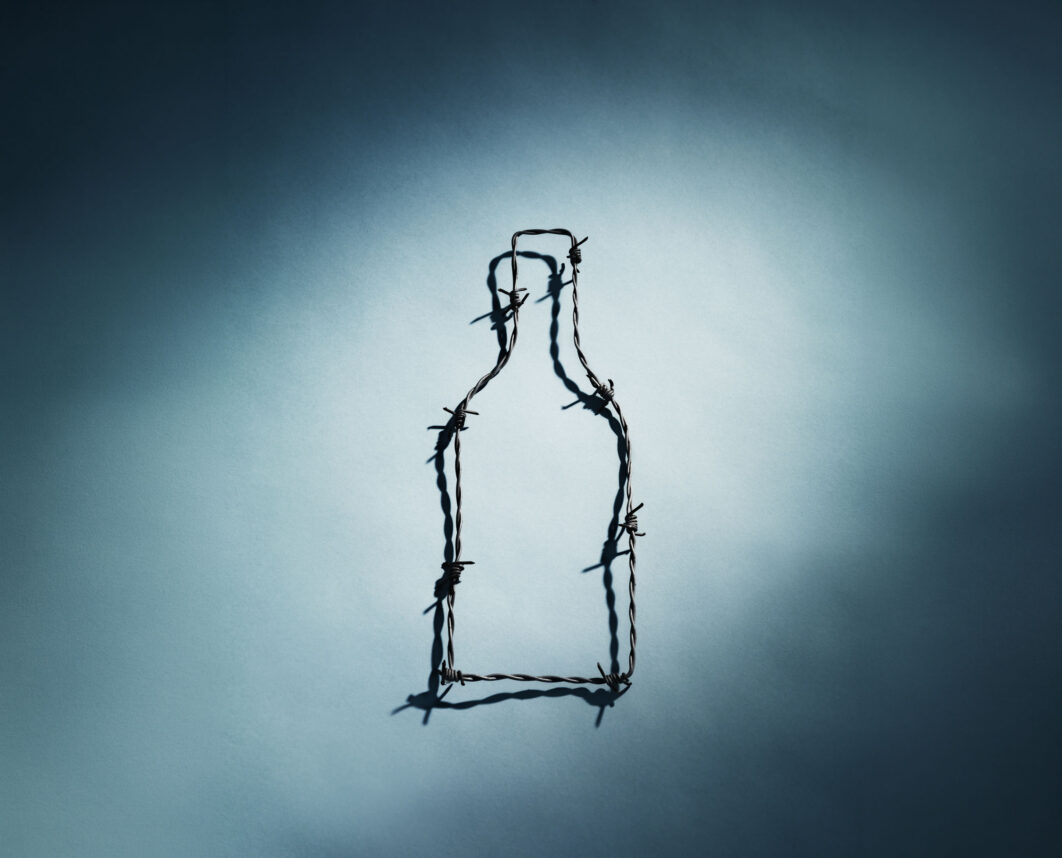
When Cox called social media a “cancer on our society,” he might have added that it’s also an addiction.
Addictions tend to sneak up on us. They start with pleasure, graduate to obsession and eventually own us when we get addicted.
In the case of social media, the process is accelerated by the profit motive. The digital masters behind Instagram, TikTok, Facebook and X, among others, know that the more outraged we get, and the more entertained we are by the silliest thing, the longer we’ll stay on their site and the more money they’ll make.
“Log off, turn off, touch grass” would be their nightmare. If enough people do it, it’d put them out of business. That’s why they keep us addicted.
As it turns out, we’re also addicted to politics.
“Politics triggers happy brain chemicals, so it’s easy to see why people are addicted to it,” Loretta Breuning writes in Psychology Today. “It triggers dopamine when you can’t wait to see what happens next. It triggers oxytocin when you feel like part of something big. It triggers serotonin when you feel more intelligent and virtuous than your political adversaries.”
What a nasty loop: we’re addicted to politics because of social media and addicted to social media because of politics.
As if that weren’t enough, we’re under the thumbs of greedy digital entrepreneurs who care only about keeping us more outraged, which means more profitable.
Does “log off, turn off, touch grass” even stand a chance?
If it does, it will be because the people revolt.
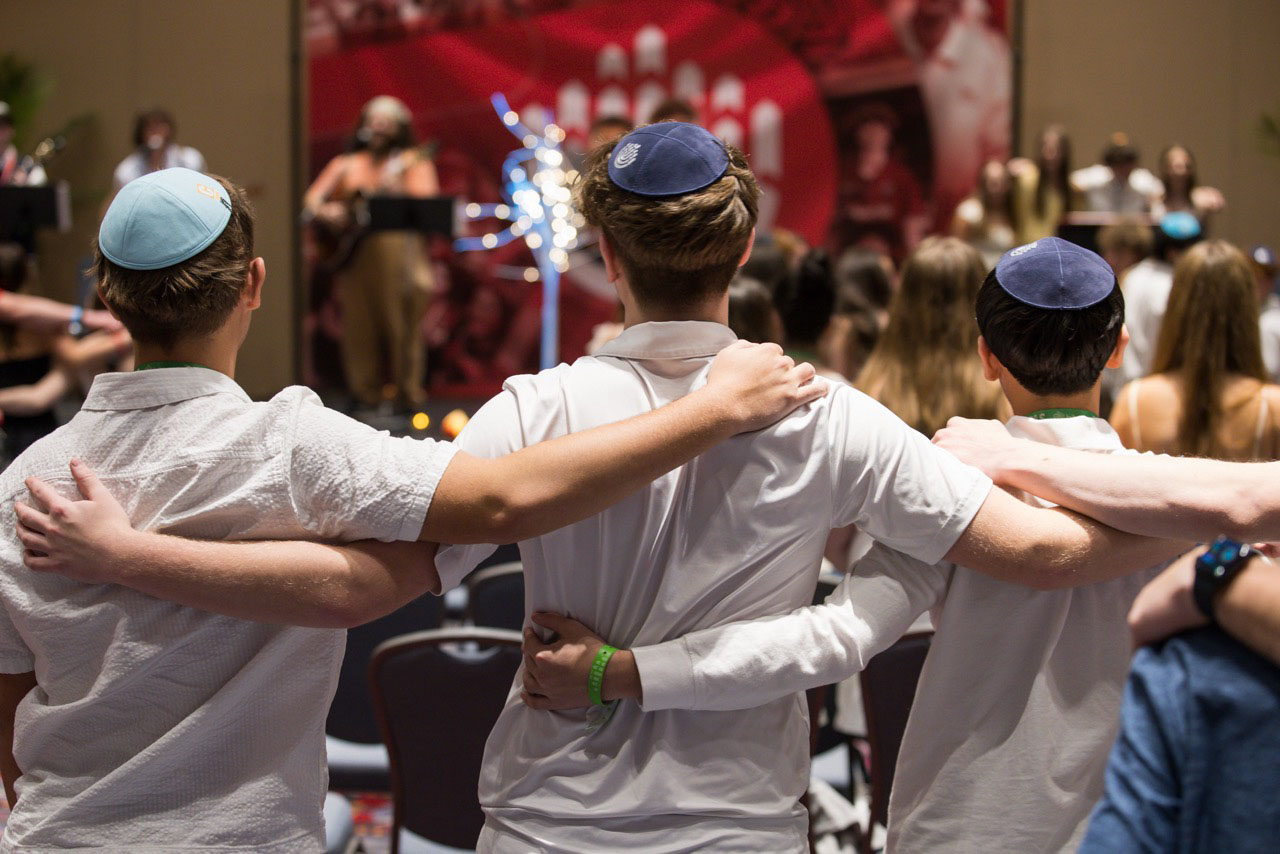
In the Jewish world, that revolt can start on Tuesday morning, when rabbis around the world will share their annual words of wisdom for the Jewish new year. We can only hope that these spiritual leaders are immune to the social and political addictions of the day, especially since we desperately need them to help cure us from these very addictions.
It’s astonishing to imagine what would happen if enough people revolt and break the chains of our modern-day addictions that have put our nation at each other’s throats. For one thing, there’d be less outrage and more joy, less politics and more community, less social media and more social connection.
That would spell death for our digital giants. They’ve gotten so used to manipulating us into digital servitude, they can’t imagine that “the people” could have so much power.
But they do. We do. Just ask that governor in Utah.