fbpx

To Honor the 6 Million, Let’s Do 6 Million Mitzvot

We grieve the 6 million Jews, and then we do something Jewish in their honor. What better way to ensure we’ll never forget?

[additional-authors]
April 28, 2022
fermate/Getty Images

The act of remembering is a mental act. It’s more of a thought than an act. Remembering friends and family members whom we’ve lost works on our minds. We think back to our moments with them, to their words of wisdom, to what they stood for.

Remembering the 6 million Jews who were murdered in the Holocaust also works on our minds. We’re constantly reminded to confront the horrors, to think about the stories, to see the films, to “never forget.”

But then, what do we do?

For the past several decades, we have invested in memory. The industry of Holocaust remembrance is huge, and for good reason. The mere thought of people forgetting this singular atrocity is inconceivable. That’s why we have countless memorials, museums and community events devoted primarily to remembering this lowest point in Jewish history.

I’d like to suggest we add one element to this Jewish imperative to remember: to do a mitzvah, or good deed.

Specifically, every year at Yom HaShoah, we could encourage six million Jews to do one mitzvah they would not otherwise do, in honor of one Holocaust victim.

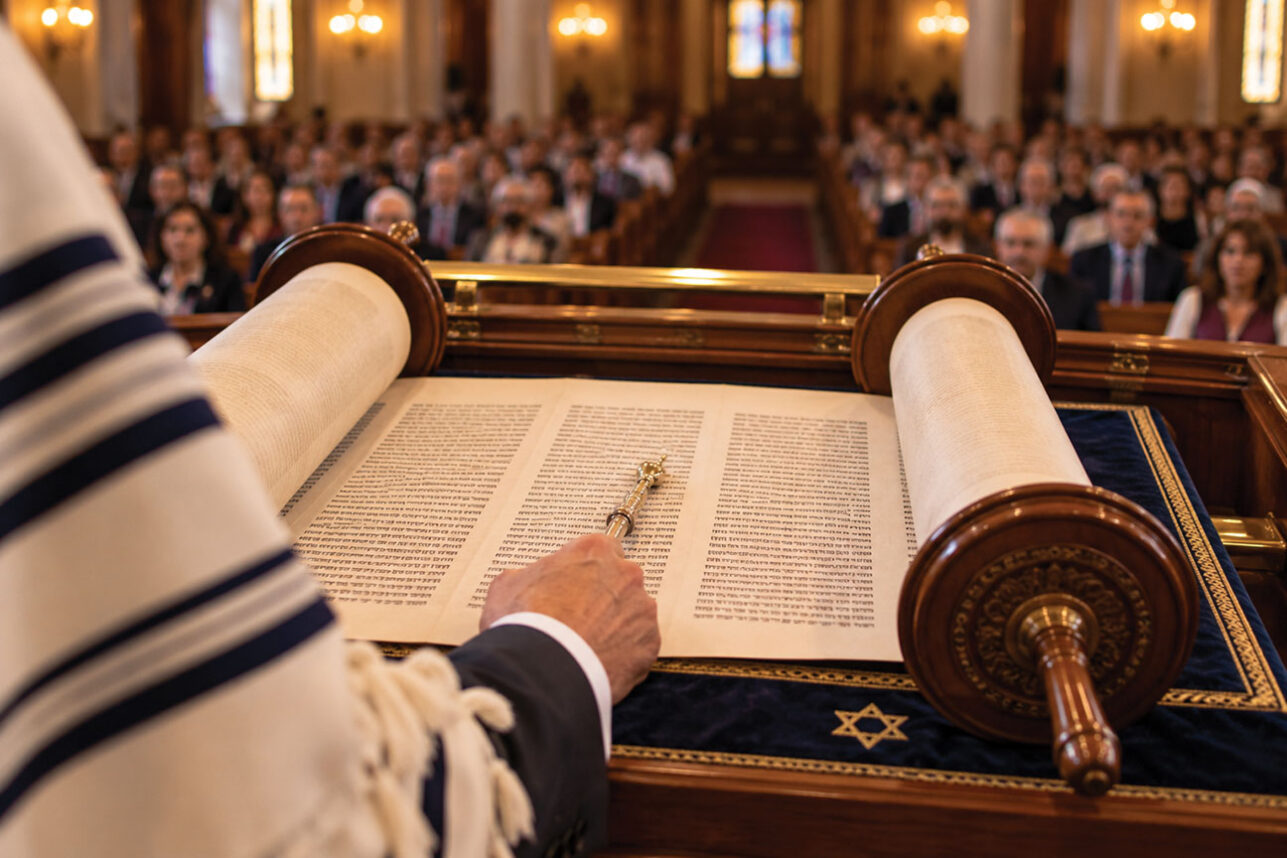
If you don’t light Shabbat candles, light them one Friday night. If you don’t go out to feed the needy, find a place to do that. If you don’t study Torah, take one class. If you don’t do Friday night dinner, do it once. If you don’t have a mezuzah in your home, put one on. If you haven’t visited an elderly person in a while, pay them a visit. And so on.

There’s no need to wait until next Yom HaShoah to make this a movement. Each one of us can start right now.

We grieve the 6 million Jews, and then we do something Jewish in their honor. What better way to ensure we’ll never forget?


Did you enjoy this article?
You'll love our roundtable.

Editor's Picks

Latest Articles

Antisemitism, Deicide, and Revolution

The United States Conference of Catholic Bishops did a remarkable thing: It issued a memorandum to all American Catholic bishops urging them to prepare their teachings carefully during this Easter period and ensure that they accurately present the Church’s positive teachings about Jews.

Chametz Is More than Crumbs in the Corners of our Homes

Chametz is also something that gathers in the corners of our being, the spiritual chametz that, like the physical particles we gather the night before Passover, can infect, wither, influence and sabotage us as we engage with others.

Alpine Flavors—a Crunchy Granola Recipe

Every Passover, I prepare a truly delicious gluten-free granola. I use lots of nuts and seeds (pistachios, walnuts, almonds and pumpkin seeds) and dried fruits (apricots, dates and cranberries).

Pesach Reflections

How does the Exodus story, Judaism’s foundational narrative of freedom, speak to the present? We asked local leaders, including rabbis, educators and podcasters, to weigh in.

Rosner’s Domain | Be Skeptical of Skeptics, Too

Whoever risks a decisive or semi-decisive prediction of the campaign’s end (and there is a long list of such figures on the Israeli side as well as the American side) is not demonstrating wisdom but rather a lack of seriousness.

When We Can No Longer Agree on Who Is Pharaoh

The Seder asks us to remain present to the tension between competing fears and obligations. It does not require choosing one lesson over the other, but rather, it creates space for us to articulate our concerns and listen to the fears and hopes that shape others’ views.

Pesach at War. Leaving Fast, Leaving Slow.

Freedom, it would seem, is erratic; it happens in fits and starts, three steps forward and two steps back. Freedom is a leap into the unknown, driven by a dream. We will figure it out in time.

More news and opinions than at a Shabbat dinner, right in your inbox.