The unanticipated consequences of the Hamas terrorist attacks on Israel last October have not just remade the face of the Middle East, but they have upended American politics and culture as well. Incidents of antisemitism in this country have skyrocketed over the past 14 months, protests against the Gaza War have roiled college campuses across the country, and it can be argued that divisions among progressive voters on these issues may have contributed to Kamala Harris’ defeat in last month’s presidential election.
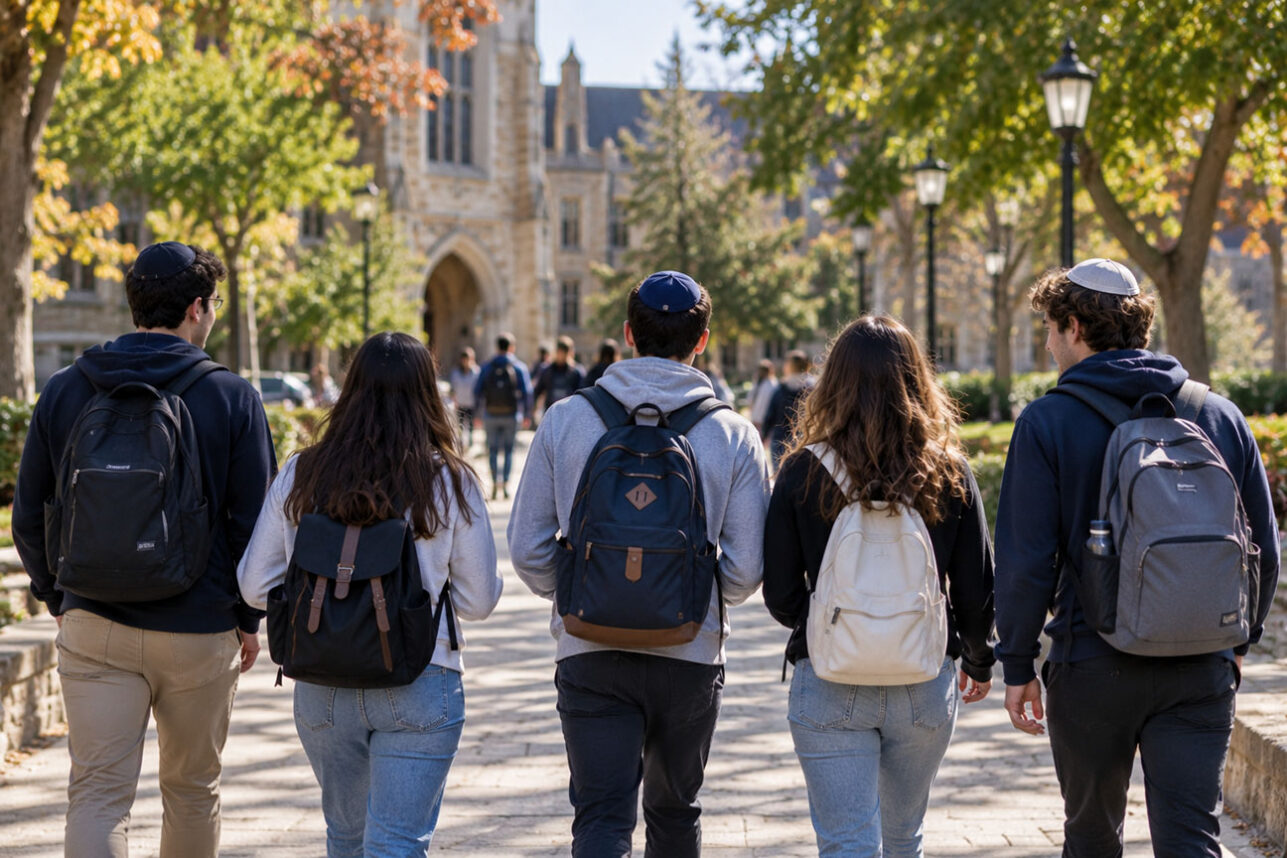
The debate over the war has also unveiled the broader and longer-term challenges that the Jewish community will face in this country for the foreseeable future. Many of us had assumed that antisemitism had been banished to the darkest corners of our society and that the threat that had stalked the Jewish people for most of our existence was – while not completely extinguished – no longer the type of danger to us that it has been in the past. We were wrong.
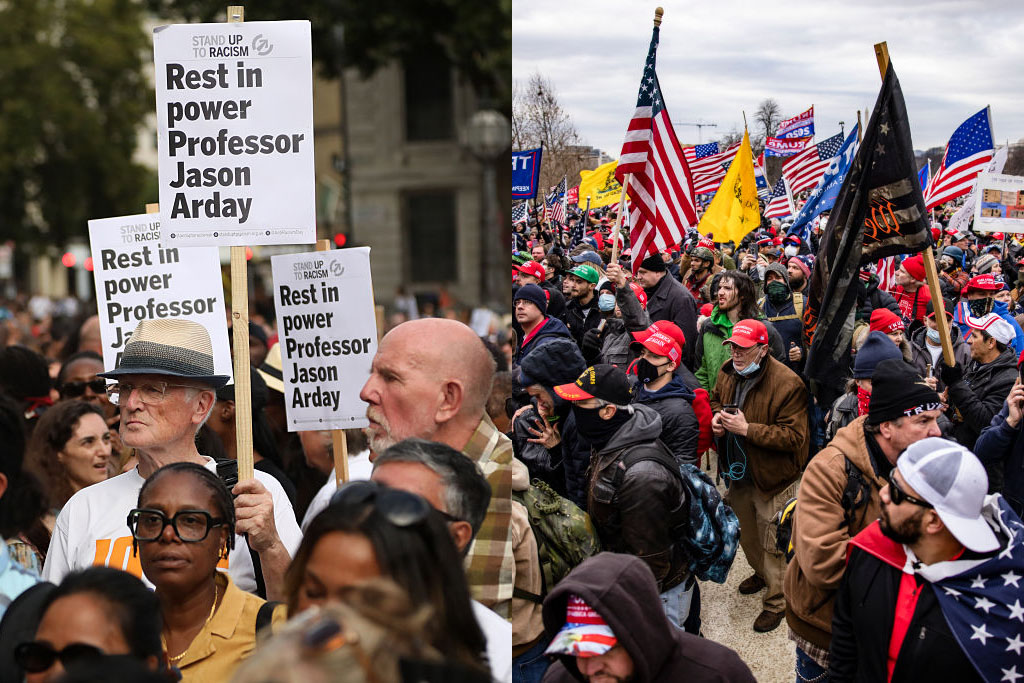
Virulent antisemitism is sometimes disguised as progressive anti-Zionism and on other occasions is hidden by broader nationalism and prejudice from the right. But the marginalization and demonization of Jews, while it has never gone away, is back with a vengeance. This is a fight that we will confront in our politics, but also in our schools and our synagogues, in our neighborhoods and our communities.
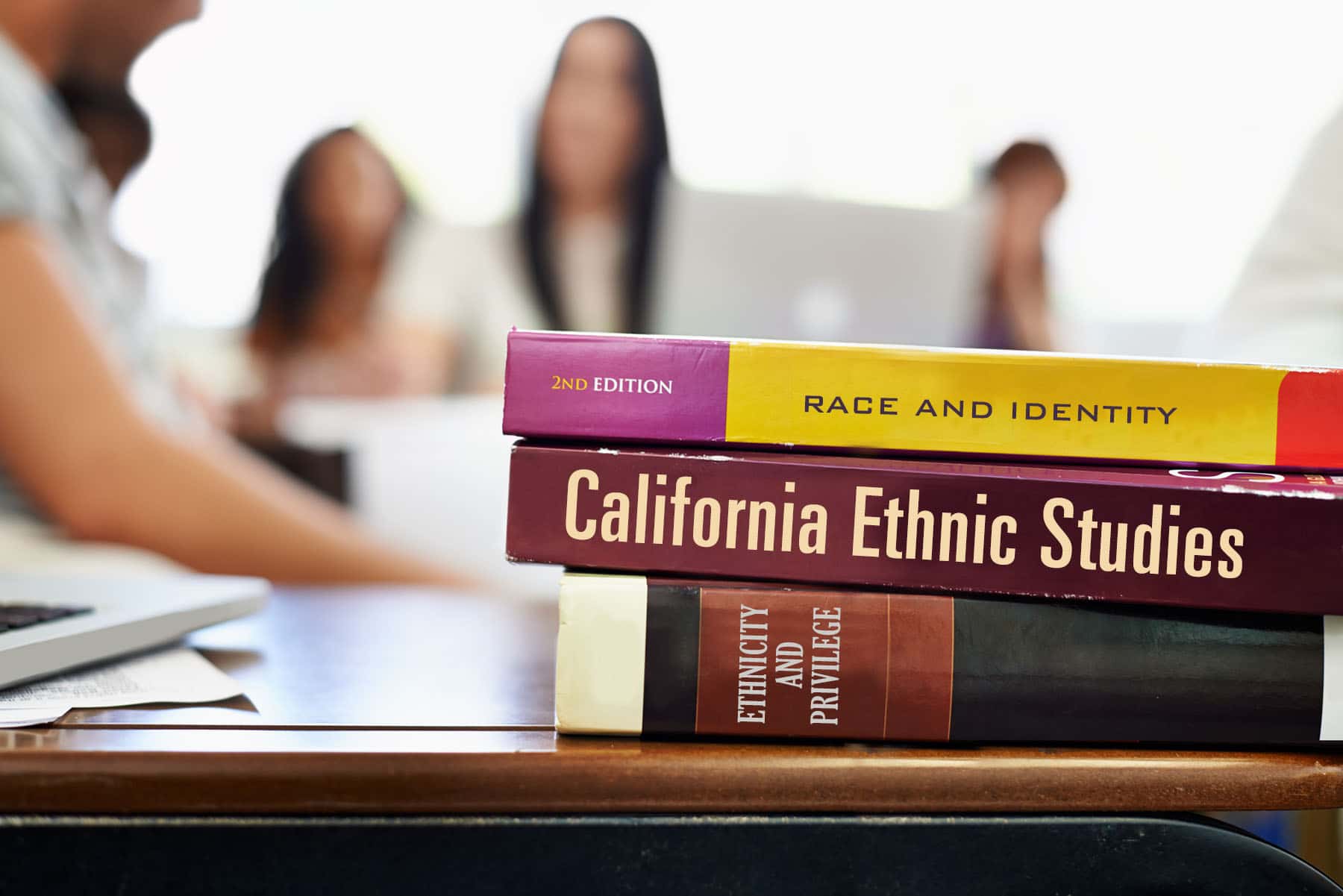
In addition to the adversities that continually arise for us on the international stage, a less visible but critically important battle will take place early next month. Though likely to be overshadowed by ongoing conflicts in Damascus and Dublin and other global outposts, our fight will move to Sacramento, where the state legislature will convene in January and Governor Gavin Newsom will present his budget proposal for the next fiscal year. Three years ago, Newsom signed legislation mandating that the state’s public high schools offer an ethnic studies class beginning in the 2025-26 school year. With that start date coming up fast, language in the bill that was largely overlooked at the time has become critically important, and Newsom and the legislature will need to resolve necessary questions before the class can be taught – and how it will be taught – when the state’s public schools reconvene next August.
The original ethnic studies legislation that was debated in the State Capitol included numerous alarming examples of blatant anti-Semitism as well as a pronounced pro-Palestinian bias in its recommended materials.
The original ethnic studies legislation that was debated in the State Capitol included numerous alarming examples of blatant antisemitism as well as a pronounced pro-Palestinian bias in its recommended materials. After a long and courageous fight led by the legislative Jewish caucus, the bill that Newsom signed explicitly warned against the use of these discriminatory materials and provided “guardrails” to ensure that ethnic studies classes provided an even-handed overview of the relevant communities that will be part of the curriculum, including Jews.
However, the bill stated that the classes would only be offered “upon appropriation.” In other words, the legislature and governor would need to include funding in the state budget to pay for the creation and implementation of this new mandate. But no money has been allocated, and the first day of class is less than nine months away. There has been some disagreement over precisely how much money will be needed to establish the ethnic studies course, but neither the governor’s office nor the state Department of Finance has offered any indication as to whether funding will be included in Newsom’s budget in January.
Complicating matters further has been the evolution of a “liberated” ethnic studies curriculum, which includes many of the antisemitic and pro-Palestinian material that Newsom has warned against. It’s unclear whether the lack of prescribed funding in the budget will allow the objectionable material to be taught. Nor is there any indication whether other revisions to the original bill can be implemented, which could either strengthen or weaken the anti-discriminatory provisions.
In the first days of the new year, Newsom will be able to answer these questions and tell us whether and how the state’s public schoolchildren will be taught about the Jewish people and our faith. We’ll let you know what he says.
Dan Schnur is the U.S. Politics Editor for the Jewish Journal. He teaches courses in politics, communications, and leadership at UC Berkeley, USC and Pepperdine. He hosts the monthly webinar “The Dan Schnur Political Report” for the Los Angeles World Affairs Council & Town Hall. Follow Dan’s work at www.danschnurpolitics.com.