
As the new year approaches, we’re all wondering “when will the coronavirus go away?” It’s human nature to want a “yes” or “no.” But COVID-19 is still new, the issues are complex, and much uncertainty remains. That’s the reality of pandemic life and we should face it. All we can do is trace the course of the pandemic and make reasoned projections based on the science and our previous pandemic experiences.
I teach residents and medical students to be careful about using the word “forever.” Illnesses always evolve and bothersome symptoms rarely persist for the long run, at least not in their original form. And so for a primary care doctor, the default answer to whether an illness will persist “forever” is almost always no.
So too for the pandemic.
Vaccine technology will likely improve and vaccines more specific for the variants will likely be available before long.
As the last pandemic, the 1918 “Spanish flu,” occurred a century ago, no one has personal pandemic experience. Our species, however, has survived numerous pandemics that offer a glimpse into the possible COVID future. Smallpox was one of the most lethal epidemic diseases of mankind. Europeans, having been exposed to it for centuries, descended from smallpox survivors and had some inherited resistance. The indigenous American population had no such immunity. Smallpox was likely a major cause of the tidal wave of mortality that followed the arrival of Europeans and killed up to 90% of the native population of the Americas.
The horrors of smallpox ended with a successful worldwide vaccination campaign. Unfortunately, such resounding success appears unlikely for COVID-19. Smallpox vaccination produces durable and reliable immunity. COVID-19 vaccination, though highly effective against lethal disease, wanes in protectiveness after months and fails to reliably prevent non-lethal illness. So, vaccinated individuals can still contract and spread the disease, preventing eradication.
COVID-19 will more likely evolve similarly to influenza. Like COVID, flu can be a killer. The 1918 pandemic killed an estimated seven times the number that have succumbed to COVID worldwide so far. Although flu still kills thousands during a typical season, most people face no more than the risk of a few days of fever and achiness. Like COVID vaccines, flu vaccination doesn’t provide 100% protection. However, also like COVID vaccines, it substantially reduces the risk of illness and when disease breaks through the protection, it’s milder.
COVID poses a moving target. Astronomic numbers of virus multiplying in millions of infected individuals produce genetic variants. Some, like the Delta variant, have heightened infectiousness. These strains compete with the original strain, with the most infectious becoming predominant. The current variants are sufficiently contagious that in the long run we can expect almost everyone to fall into one of three groups: those with immunity from illness, the vaccinated, and “the hermits,” who isolate themselves efficiently enough to avoid exposure.
The recent surge will likely reduce the number of susceptibles down to a level that limits spread. Although short of the “herd immunity” that would finally end the pandemic, it will likely provide “herd resistance” that reduces spread and allows a largely immune population to return to normal life.
Unfortunately, the waning of immunity among both vaccinated and those with natural immunity will likely allow the virus to continue percolating through the population at a low level. Infected individuals with immunity from either vaccination or illness will mostly have mild disease or may remain asymptomatic. The shrinking number of non-immune will continue to be at risk for severe or fatal infection.
Over time, the highly infectious emerging variants may eventually cause less severe disease. After all, a less virulent virus that allows the infected to continue social activity will spread more readily than one that sends its victims home to bed. Additionally, vaccine technology will likely improve and vaccines more specific for the variants will likely be available before long. Given that vaccine-mediated immunity wanes, periodic re-vaccination may become a part of life indefinitely. For the willing, it should prove a small price to pay for a return to normal social interaction.
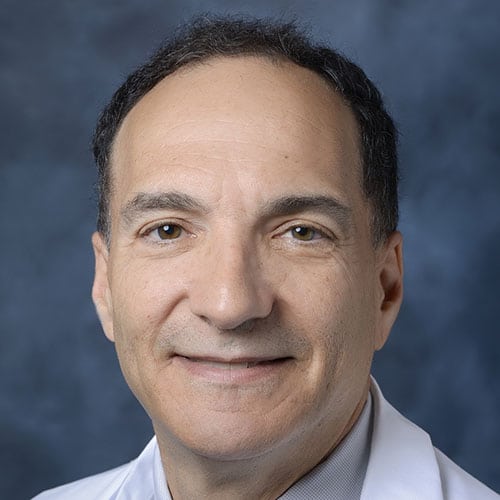
Daniel Stone is Regional Medical Director of Cedars-Sinai Valley Network and a practicing internist and geriatrician with Cedars Sinai Medical Group. The views expressed in this column do not necessarily reflect those of Cedars-Sinai.