At Casimir Pulaski elementary school in Chicago, I was the envy of my classmates every September. Many of them had never known a Jew, but school had barely begun and I alone was absent for both Rosh Hashanah and Yom Kippur.
My parents, who fled Poland to Siberia and then to Kyrgyzstan, where I was born, finally came to the United States from a displaced person’s camp in 1951. I was 5 years old. We moved into an immigrant Polish neighborhood on the near north side of Chicago, where my parents could communicate and thus support their four children. My parents’ America was the familiar mini-Warsaw of kielbasa-eating blue-collared laborers and bundle-shlepping babushka’d-women.
By contrast, my America was “Ozzie & Harriet” and “Father Knows Best” with the Nelsons and Andersons as my role models. Dressed in high heels and frilly aprons, perky Harriet and Margaret served the cotton-y white bread I desired, not rye “mit” seeds, and they never “pooh-poohed” against the evil eye.
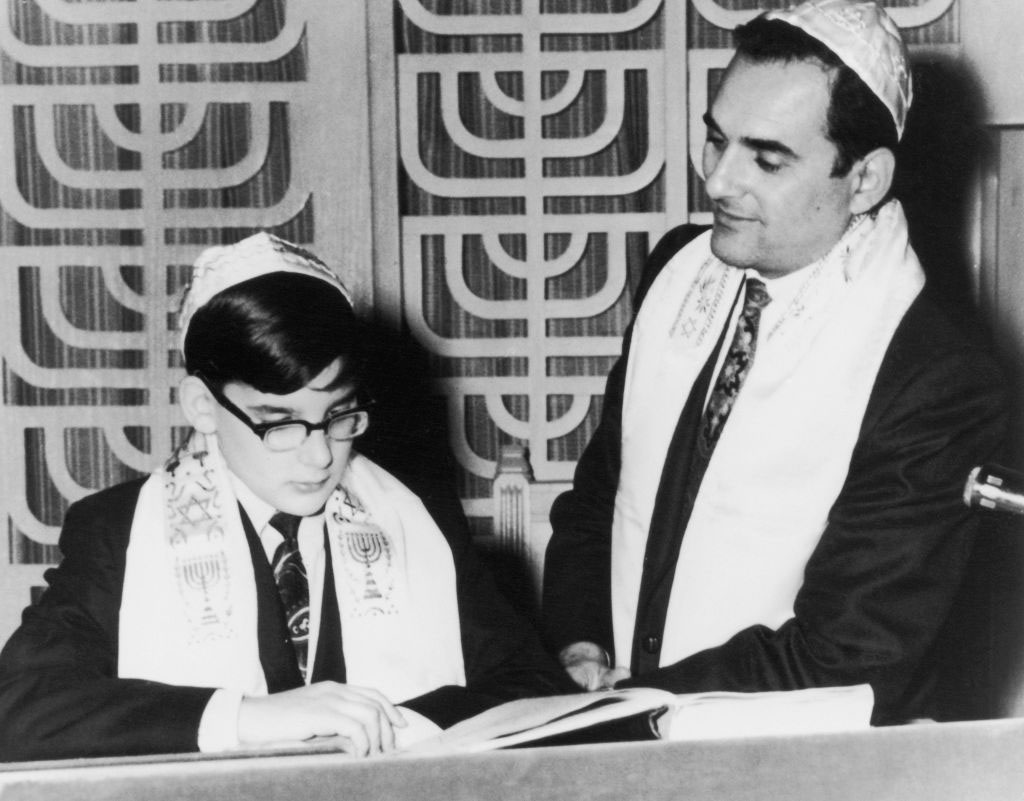
The High Holy Days were challenging. While delighted that my friends languished in school when I was free, sitting in synagogue was hardly freedom. By the 1950s, Jews began to move northward, abandoning urban neighborhoods, and our dilapidated shul consisted largely of elderly stragglers and newly arrived immigrants. Children’s participation in services was considered narrishkayt — nonsense. We were expected to be still, and I sat, unaware of even the page number. This was my parents’ New Year.
My television New Year featured streamers, midnight revelry and sequined dresses. In fairness, I noted that both traditions involved countdowns. The American countdown was when Champagne corks popped and people kissed at midnight as I twirled my Purim noisemaker. The Jewish countdown of sins was less compelling. I didn’t understand Hebrew, so the sins escaped me. Then I unearthed a prayer book with English translation that piqued my interest. Minor transgressions impressed me not, but I savored those I deemed most foul, even when I didn’t understand them. The Sarah Bernhardt in me wholeheartedly embraced the drama of breast-beating. While I longed for a breast to beat, I pummeled my scrawny chest and envisioned a buxom new year.
Minor transgressions impressed me not, but I savored those I deemed most foul, even when I didn’t understand them. The Sarah Bernhardt in me wholeheartedly embraced the drama of breast-beating.
The Yizkor memorial service was especially poignant. Before what we called Mazkir Neshomes, my mother whisked us children outside as if pursued by demons, ordering us to stay put until called. In wonder and fear, I imagined the souls of our relatives who died in the Holocaust taking shape in the sanctuary, floating aloft like figures in a Chagall painting. Terrified lest the spirits snatch me away, I stayed dutifully outside.
We few kids passed the time venting energy and exchanging scary stories. When she reappeared, my mother was subdued. I understood her sadness to mean that she wouldn’t see her lost family for an entire year.
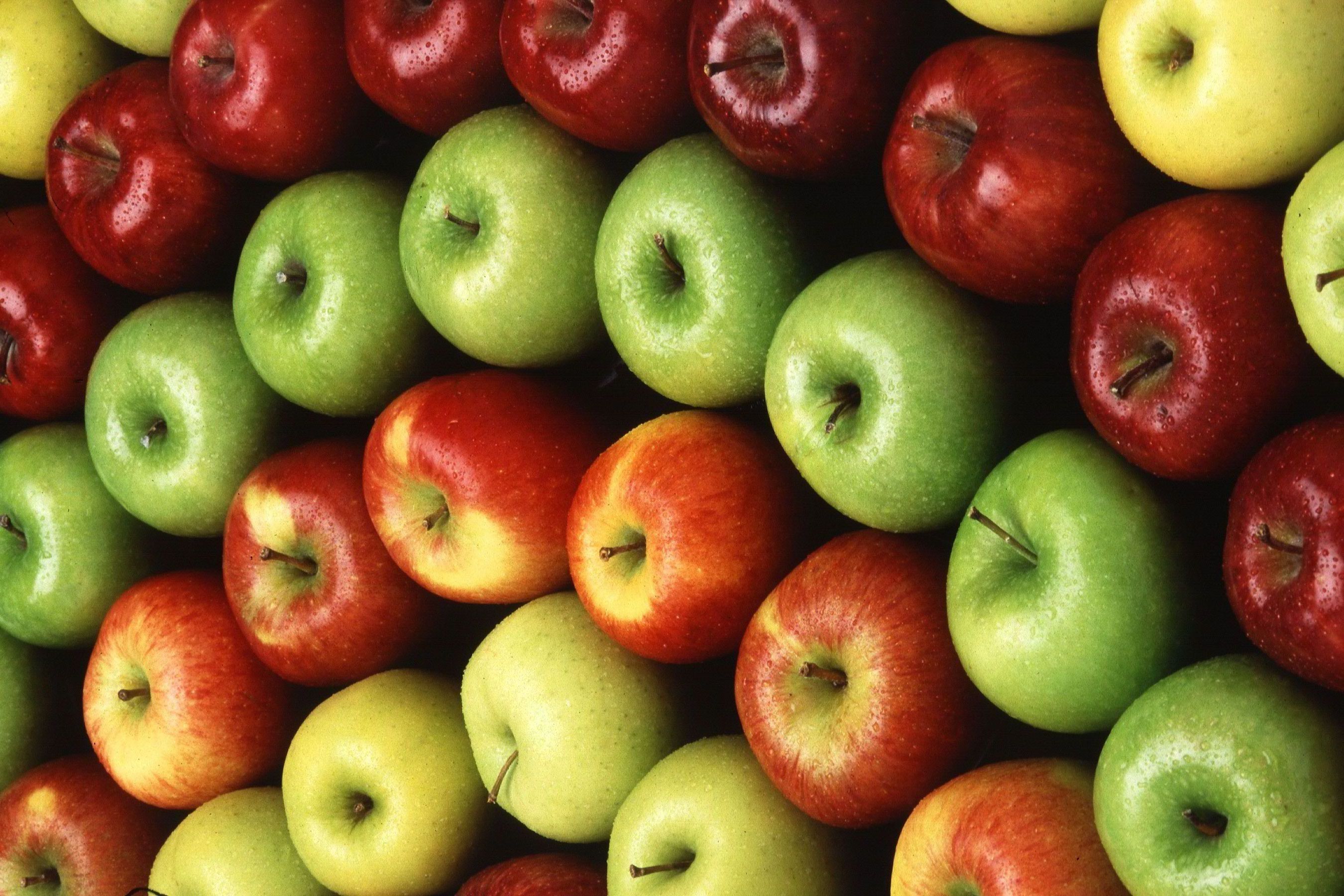
Although our New Year lacked the sartorial splendor, food we did have. After services came the fruits of my mother’s nights of labor. My father made Kiddush and we dipped apples into honey for a sweet year. We began with ovals of gefilte fish in aspic crowned by carrot rings, along with horseradish and mounds of challah. After my brother warned that it would put hair on my chest I began skipping the horseradish.
On returning to school, my friends were perplexed by my family’s peculiar observance. I was 12 when we moved to a Jewish area and was relieved not to explain myself every holiday.
Decades and countless jars of honey have passed and I still appreciate both new years — the countdowns, the sequins and spangles, the rituals, the food. My holiday menu is much the same as my dear mother’s, and my parents’ traditions learned from their parents has been shared with my children. I’d like to think that they would do the same with their families. Happy New Year. Shanah tovah. May we all be inscribed in the book of life.
Sara Nuss-Galles’ work has appeared in The New York Times, Los Angeles Times, Lilith, Catamaran and numerous anthologies.