
Summer comes to an end and fall begins — for the Jewish calendar, that means we are entering the month of Elul. It not only represents the call to prepare for the upcoming High Holy Days, Rosh Hashanah and Yom Kippur, but it is a reminder of our relationship with God, which we often ignore or neglect throughout the year.
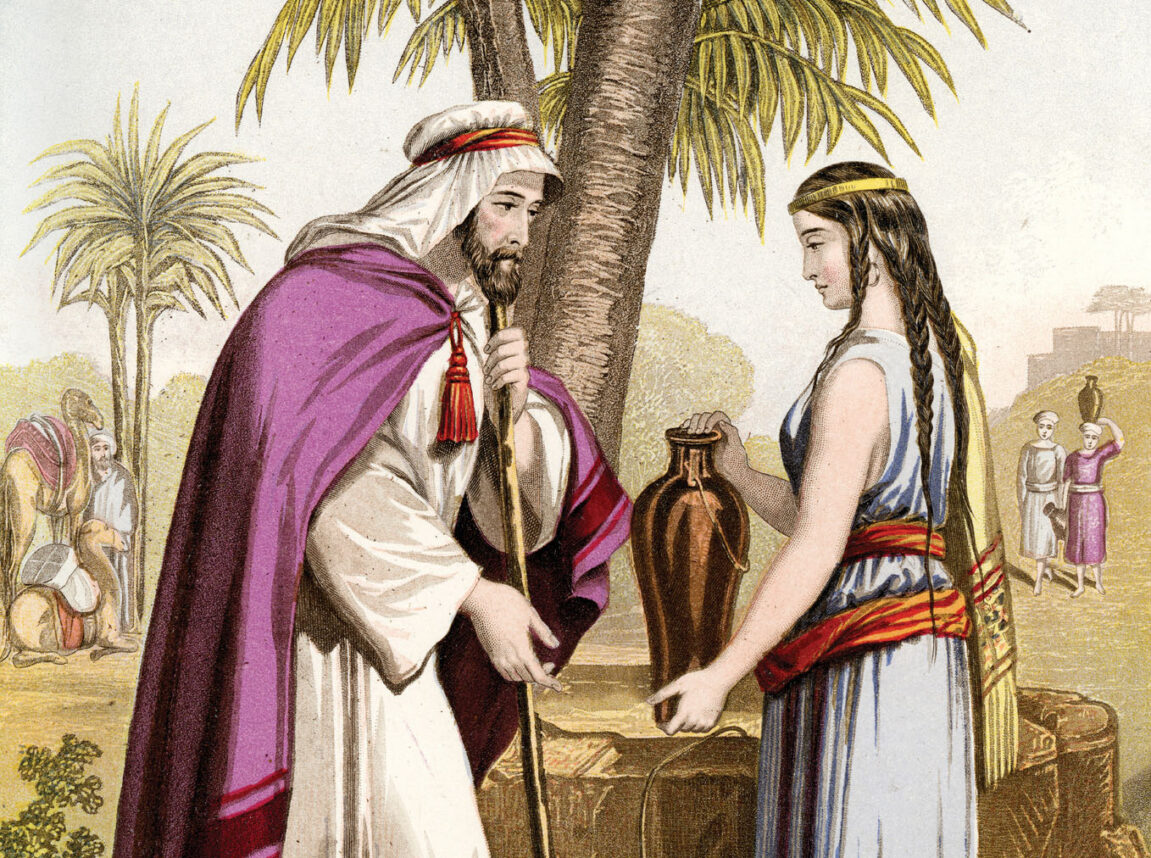
It is the sixth month and the name itself has a powerful meaning. The Hebrew spelling, Aleph-Lamed-Vav-Lamed, is an acronym for a verse from the Song of Songs, “Ani L’dodi v’dodi Li,” which means, “I am my beloved and my beloved is mine.” It may seem like a strange description for a relationship with God, but like all beautiful relationships, there has to be a presence, nurturance and a form of communication.
The love poetry of Song of Songs is not only the romance and eroticism between a man and woman, but the rabbis read it on two other levels. First, as the mystic relationship between Transcendent Divinity, Kadosh Baruch Hu, and Imminent Divinity, Shechinah, and second, as the covenantal relationship between God and man/woman. Each one of us has this connection, though we may not consciously pursue it. Every year, we are given another opportunity to discover its potential or to reinvest in shaping a deeper, richer union.
Elul therefore is a period with the incredible aura of love, kindness and acceptance as we work to prepare for the High Holy Days. Rosh Hashanah is a time of judgment, demanding deep introspection and evaluation of who we are, how we have behaved and who we need to become. Elul is the spiritual alarm clock waking us from our slumber, as we often sleepwalk through life. It reminds us our virtual vacation is over and it is time to go home, to the source of our being, to our authentic and true self, and to the arms of our beloved, HaShem.
The multifaceted character of the Divine becomes even more pronounced during this time. We not only return to our beloved, but also the unconditional love of the Divine Father and Mother, the Sovereign who rules, the Judge who levies justice, and the Shepherd/Shepherdess who guards and protects His/Her flock. For 21st-century man and woman, these are foreign concepts to relate to. But in a world where we fight for control, Judaism asks of us to relinquish the impossible and to surrender to what may be the unthinkable so that we can be elevated in new and holier ways.
Every facet of our everyday lives demands preparation. The High Holy Days also demand of us to do the soul work required so that we “return” (teshuvah) more fulfilled and more connected to family, friends, our true selves, and the Holy One. Teshuvah, the theme of these days, begins with inner work called cheshbon ha-nefesh, “the accounting of the soul,” an inner audit, making a list of the areas of our character or the sins or the neglect that require recognition and accepting responsibility. Elul calls us to review our lives so that we can make meaningful change for our future.
Elul is the spiritual alarm clock waking us from our slumber.
The shofar is blown in the synagogue during Elul as another reminder to awaken your spirit. The raw sound captures our deepest shame and guilt. However, God wants us to “turn from our wicked ways and live.” Each day of the month, take time to assess, meditate or explore with another person to gain greater insight into how you have inadvertently or purposively hurt another or even hurt yourself, thereby pushing God away.
It is the love and kindness that makes it possible to face our misdeeds and own our arrogance. Forgiveness awaits. We must begin by forgiving ourselves our humanness and our frailty, knowing we make mistakes and sometimes give in to the evil inclination. In a month of deep love, take the opportunity to prepare and work for change.
Rabbi and Cantor Eva Robbins, author of “Spiritual Surgery, A Journey of Healing of Mind, Body, and Spirit,” is on the faculty of the Academy for Jewish Religion California.