The best recipes are those that come with stories, or at least, context.
Persian food has variations of “peasant food,” as well as more intricate dishes but I prefer the former over fancy kabobs or stews.
When you’re Iranian, everything is political, from food to eyebrows.
The regime banned male eyebrow plucking in 2015, condemning it (and “devil worshipping” spiky hair) as too Western.
It’s no surprise to any Iranian that in terms of food, a plate of bread, cheese and fresh herbs, or nun-o-paneer-o-sabzi — is as political as it gets.
Ayatollah Khomeini, the supreme leader of the 1979 Iranian revolution who died in 1989, soared to popularity on … bread, herbs and cheese.
Today, Supreme Leader Ali Khamenei swears by nun-o-paneer-o-sabzi for the same reasons as Khomeini: its unambiguous symbolism.
In Persian culture, such “modest” food is akin to being a gentle saint who disavows materialistic impulses.
Hence Khamenei, who is believed to control a financial empire worth $200 billion, according to the U.S. Embassy in Baghdad, has a stake in reiterating that he’s a simple man of the people who enjoys even simpler food.
This may have worked for Khomeini 40 years ago, but Iran today is a nation under unprecedented financial duress, and Iranians are losing patience with the country’s leaders. Both ayatollahs may have been made from the same mold, but the cheese is getting moldier.
I can’t confirm what kind of cheese and herbs Khamenei eats while purportedly worrying about the suffering of Iranians, but something tells me it includes cow’s milk feta, with a heaping side of mint, radish and absolute power.
It probably also includes tareh, which I can never find at non-Persian markets, but is delightful and resembles small leeks, without the bulbs.
You don’t have to be the supreme leader to enjoy his purported diet. Forget meat on an August day. Here are three ways to enjoy modest Persian treats without turning on the stove:
Nun-o-Paneer-o-Sabzi (“Bread, Cheese and Herbs”)
This also happens to be the name of a classic Persian pop song, and that alone conveys something about Persians’ unique priorities.
On a thin piece of lavash bread (available even at Trader Joe’s), place a few ounces of cow’s or sheep’s milk feta cheese (solid is preferred to pre-crumbled), and add your favorite fresh herbs. I recommend basil, tarragon and tareh (chives). Roll up the bread, pour a cup of Persian tea (I prefer Sadaf’s green label), relax and imagine you’re a Middle Eastern dictator in one of your villas.
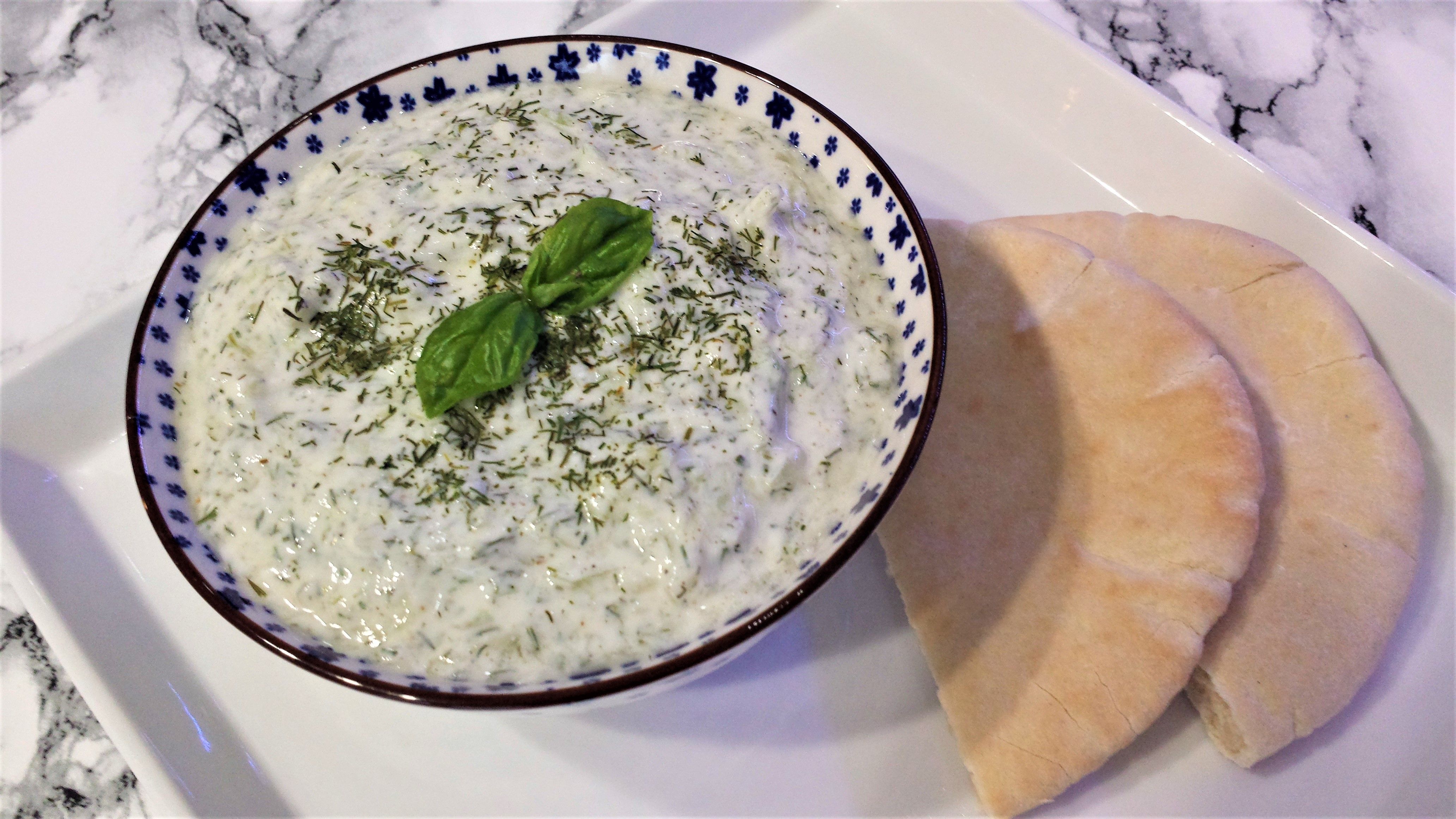
Must-o-Khiar (Yogurt and Cucumbers)
In a medium-sized bowl, place two cups of plain Greek yogurt, 1 tablespoon of finely chopped fresh dill, 1 1/2 teaspoons of dried mint, 1/2 teaspoon of garlic powder and salt, to taste.
Peel two Persian cucumbers (or 1/3 of an English cucumber) but don’t grate them; this isn’t Greek tzatziki.
Dice the cucumbers in 1/2-inch cubes and add them to the bowl. Mix all the ingredients, and for an unconventional way to eat yogurt — but one that Persians love — use as a dip for plain potato chips. Sit back and enjoy the heavenly combination of cool yogurt with pops of herbs and garlic. It’s even better enjoyed in a hammock outside your villa.
Golab (Rosewater Drink)
I don’t recommend this for the faint of heart, which is ironic because Golab is precisely what Persians offer those who feel faint or anxious. If you’re not Persian, drinking something that can be described only as liquid rose may not be for you, though I find it intoxicatingly refreshing.
Into a tall drinking glass, pour 10 ounces of cold water, 2 tablespoons of rosewater (available online or at any Middle Eastern market), and 3 tablespoons of sugar. Don’t omit the sugar, or your mouth will never forgive you. Mix well until the sugar is dissolved, and enjoy the views from your villa through rose-colored glasses.
Tabby Refael is a Los Angeles-based writer and speaker.