One day, my then-4-year-old daughter asked me, “Daddy, why are you always at home with us?”
For 2 1/2 years, I had the most amazing job in the world: raising my kids as a stay-at-home dad. It was an unexpected job but one that I loved and taught me so much about who I am as a person.
As a stay-at-home dad, I helped to build the Los Angeles Dads Group, part of a national organization dedicated to helping fathers socialize and support one another.
Our most valuable asset is that Los Angeles is one of the best places in the United States, if not the world, to raise kids. Incredible weather, great outdoor opportunities from surfing on the beach to hiking in the mountains, cultural events and venues that are unrivaled, an incredibly diverse Jewish community and an ethos focused on family and enjoyment of life rather than work.
There is, however, one thing that makes L.A. a very difficult place to raise a family: the cost of living. L.A. consistently ranks as one of the most expensive places to live, and the cost of raising children only adds to it.
The United States is among a handful of countries in the world that doesn’t guarantee paid parental leave. California has, so far, been a leader in this effort, creating the first paid family leave program in the United States, and Gov. Gavin Newsom is proposing to expand it. Since 2002, Paid Family Leave has been a lifeline for working families, enabling a mother or father, grandparent or guardian to take time off to bond with a new child or for family caregiving.
“L.A. consistently ranks as one of the most expensive places to live, and the cost of raising children only adds to it.”
The problem is that the structure of the program, which covers 60% to 70% of a worker’s take-home salary for up to six weeks, is fundamentally inequitable. Many families are already living paycheck to paycheck, and simply can’t afford to take a 30% to 40% cut in their salary to utilize the program. And for those like me who work in the nonprofit sector, that additional salary helps put food on the table.
We know that nearly 40% of all Angelenos are liquid asset poor, meaning they’re three paychecks away from losing the roof over their heads. We know L.A. has one of the highest costs of living in the country, and the cost of childcare now outpaces the cost of in-state college tuition. We know that paid parental leave policies work to decrease unemployment, increase participation among women in the workforce and reduce the pay gap between men and women. And we know that more bonding time improves the health and development of young children, reduces infant mortality rates by as much as 10% and results in higher rates of well-baby care, improved mental health, and increased long-term achievement for children.
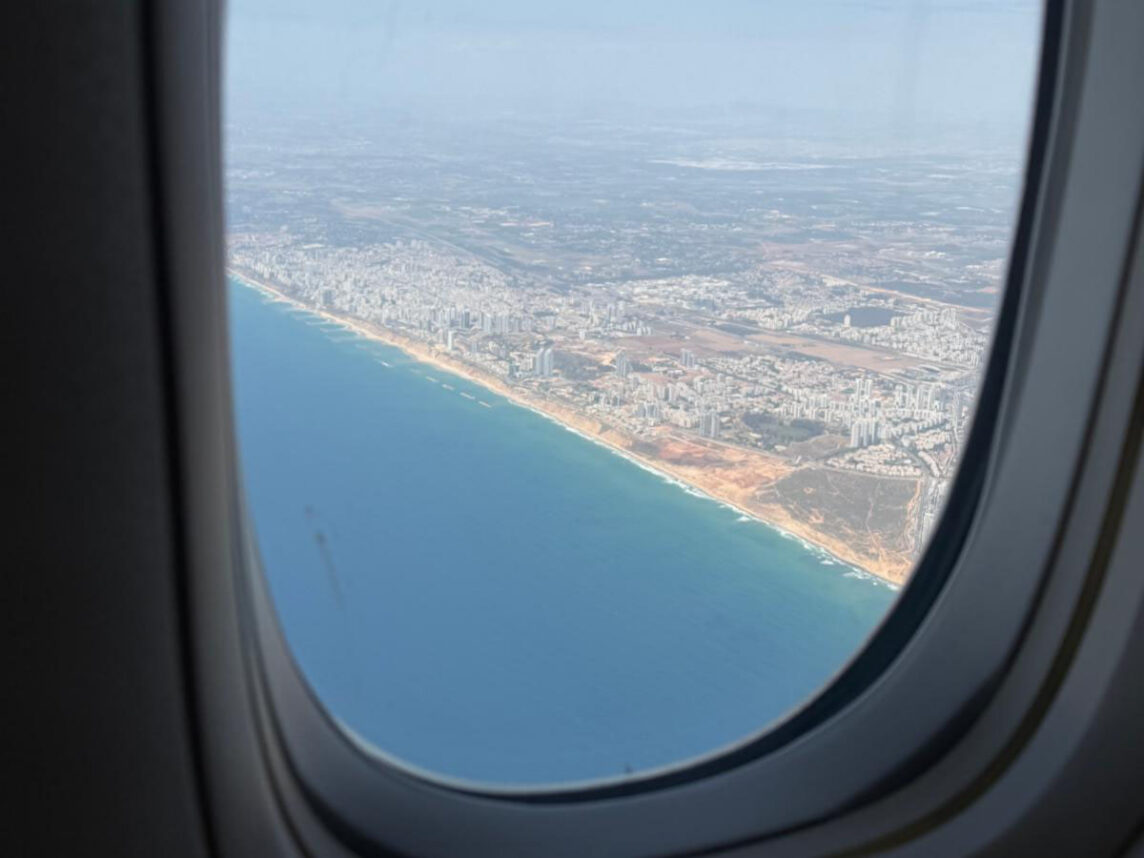
Developed and underdeveloped countries around the world have read the writing on the wall and implemented robust paid parental leave programs. In Israel, for instance, a worker is entitled to 14 weeks of parental leave after working for their respective place of work for at least 12 months. In L.A., we have a unique opportunity to address this persistent inequity and investing in the next generation of Angelenos by covering that wage gap with a citywide, fully paid leave program for new and expecting parents for up to 18 weeks.
I was lucky to have the love and support of my wife and family and the financial stability to spend the time at home raising my young kids. I wouldn’t give back that time for any amount of money. But I was fortunate. For many families, spending time with a new child remains a financial obstacle. But as a city, this is within our reach — and something we can ensure for all L.A. families. Together, we can make paid family leave whole — and we must if we want L.A. to continue to be one of the best places in the world to raise a child.
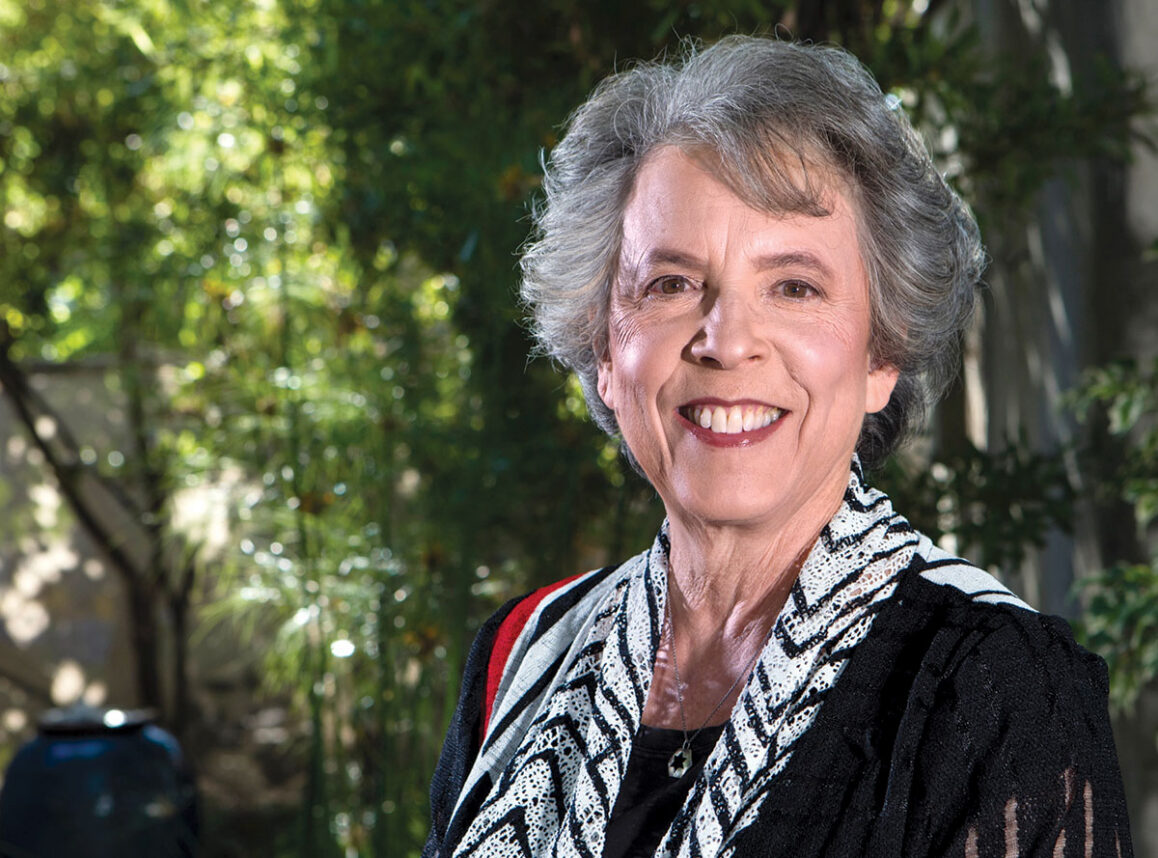
Eli Lipmen is a nonprofit consultant, commissioner for the city of Los Angeles’s Neighborhood Council System, co-organizer of the L.A. Dads Group, and father of three.