Is there anything more Jewish than a debate about debates? I guess there could be a debate about the debate about debates. But while many recognize the cultural significance of debating within Judaism, an overlooked yet vital aspect of this Jewish “national sport” is the ethics of how to debate.
In an old Jewish joke, two disputants come to the local rabbi to settle a dispute. The rabbi hears the first disputant’s case and declares, “You’re right!” The rabbi then hears the second disputant’s case and declares, “You’re also right!” The rabbi’s assistant jumps in and says, “But rabbi, they can’t both be right!” To which the rabbi replies, “You’re right, too!”
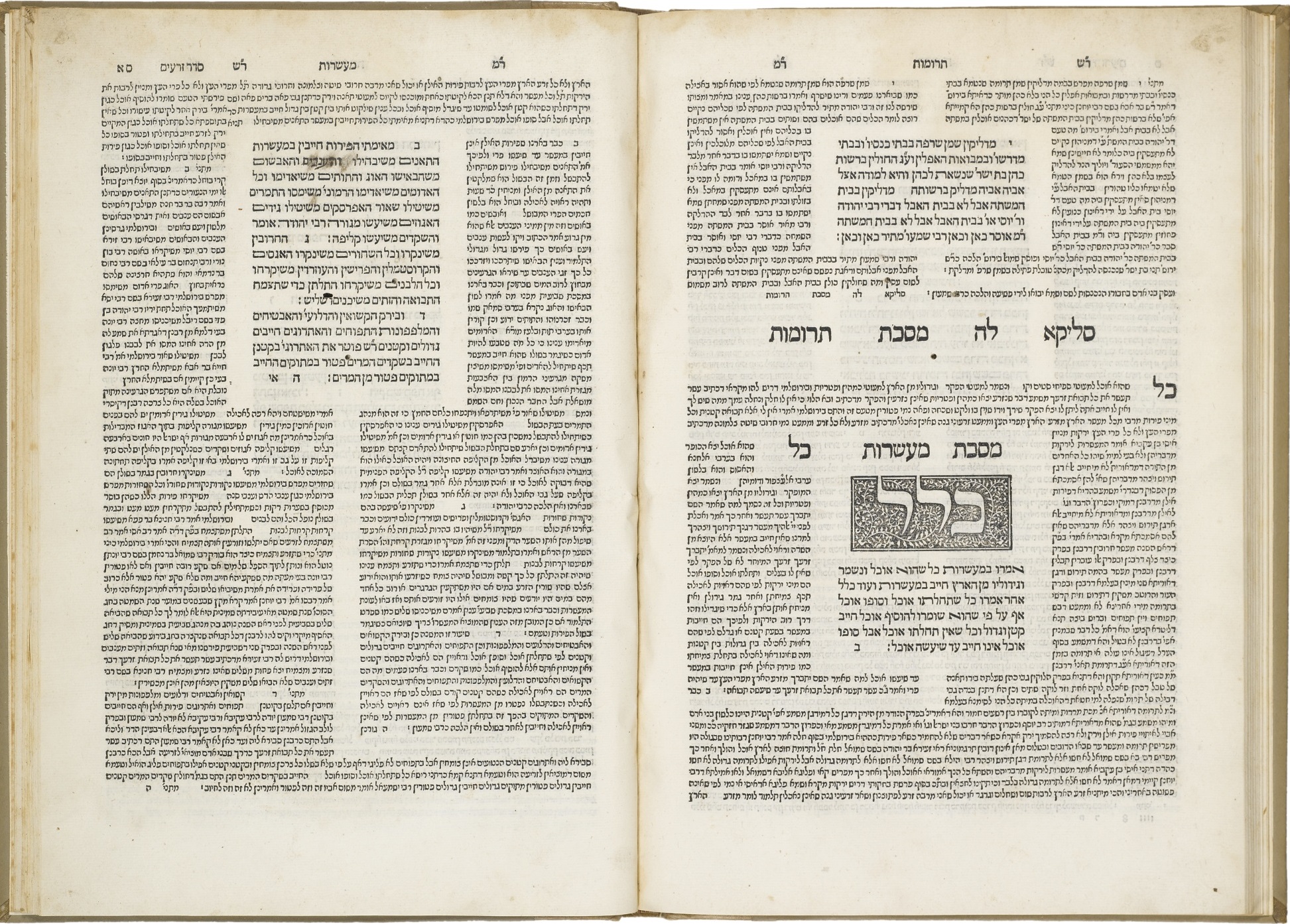
The spiritual ancestor of this joke is actually 2,000 years old, and it comes from a Hillel vs. Shamai debate in the Talmud (Eruvin 13b).
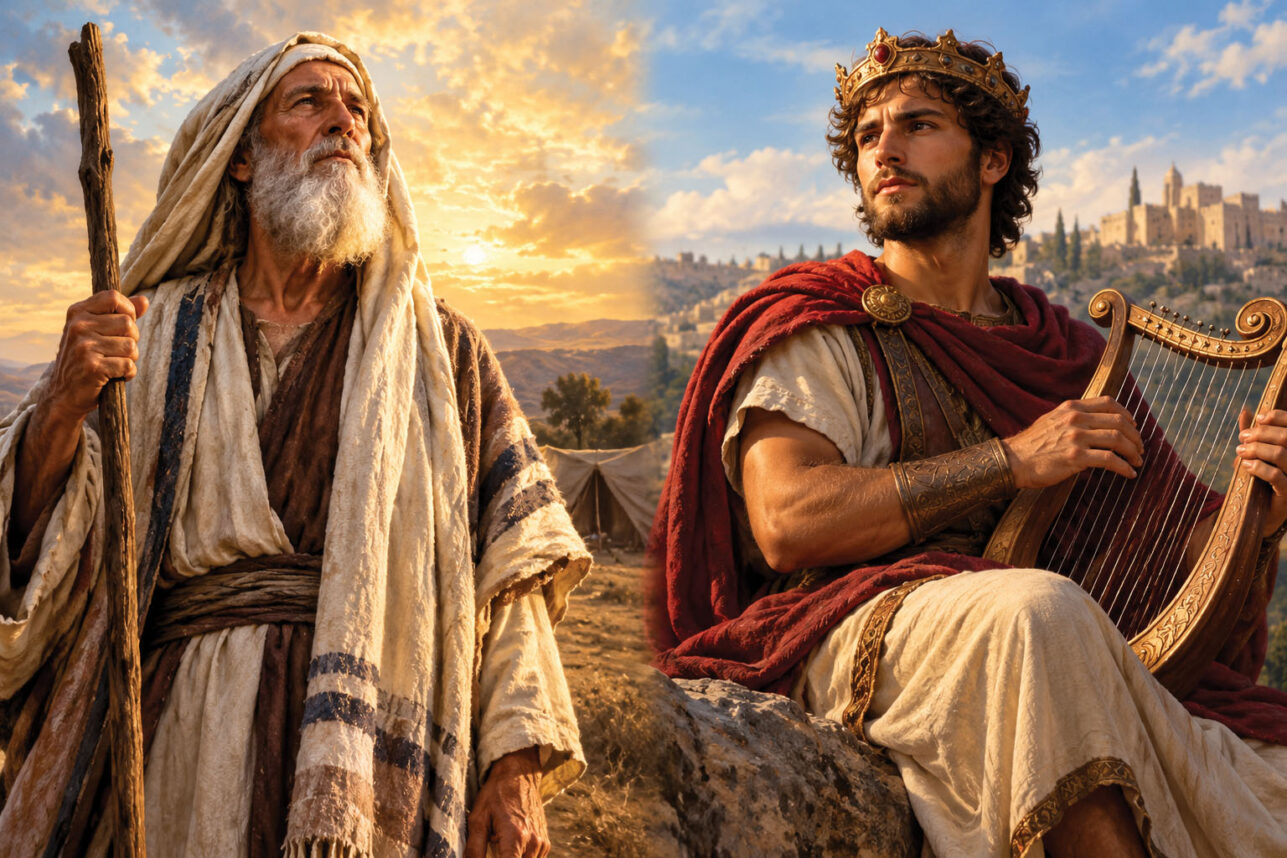
For context, Hillel was basically the LeBron James of Talmudic sages, and every “Hillel” you know — college organizations, schools, Passover seder sandwich, etc. — is named after that one famous Hillel. Shamai, on the other hand, has a name that, if familiar, is known for having lost nearly every one of his more than 300 debates with Hillel. Shamai’s consolation prize is one street in Jerusalem. It is, admittedly, a very nice street.
So back to our text, Hillel and Shamai spend three years debating a Jewish legal issue that doesn’t even get named, because, as you’ll see, the content of the debate isn’t at issue. Hillel’s team argues that the law is in accordance with their opinion, and Shamai’s team argues that the law is in accordance with their opinion. Finally, in a rare occurrence (talmudically speaking), the Divine Voice emerges from the heavens and proclaims, “These and these are both words of the Living God!” You’re right, and you’re also right! But being a practical people, we need an answer as to whose opinion we should follow. So the text tells us that the law is decided in accordance with Hillel.
“What would happen at our schools, synagogues and Shabbat tables if we practiced Hillel’s ethics of debate?”
The question is, why? If, from the Divine perspective, both Hillel and Shamai are speaking the truth, why do we follow the rulings of Hillel? The Talmud gives an answer, but I’d ask you to think about your own experience in participating and/or witnessing debates first. What makes you side with one party over the other? The logic? The volume of the voices? What is it?
Here’s where the Talmud offers an explanation of Hillel’s superiority that provides a blueprint for our own debates, be they religious, political, or on mundane topics such as Kobe Bryant vs. LeBron James.
The Talmud mentions nothing of Hillel’s rhetorical ability or his intellectual stature. Rather, Hillel beats Shamai for three reasons, according to our passage. First, Hillel was kind. I imagine this means that whichever side you were on, Hillel would treat you with respect. Second, Hillel had the incredible and all-too-rare quality that Moses was famous for, namely humility. I imagine that this means he would truly try to understand the other side of a debate, rather than digging in his heels and insisting that his position was the only legitimate one.
Finally, and to me, this is the most amazing quality, Hillel not only would teach Shamai’s position in addition to his own, but Hillel would explain Shamai’s position first, showing deference to the person with whom he disagrees on almost everything. Hillel would sincerely try to understand the other side, and present it with integrity, even when he disagreed with that position. And, because of these qualities, Hillel was the winner. Our tradition presents a plan for how to emerge victorious, and it’s the opposite of how many of us — myself included, too frequently — approach the topics we might debate.
What would happen at our schools, synagogues and Shabbat tables if we practiced Hillel’s ethics of debate? If we were kind, humble and sincerely sought to understand and articulate — without cynicism — the position of the other side? Would we become weaker in our resolve to fight for what we believe is right? Or would we have a better grasp of the issues and a clearer articulation of our own core values?
Rabbi David Saiger is the upper school rabbi at Milken Community Schools.