













fbpx

Face Masks at Jewish Preschool? That’s it, That’s the Torah

[additional-authors]
October 19, 2020
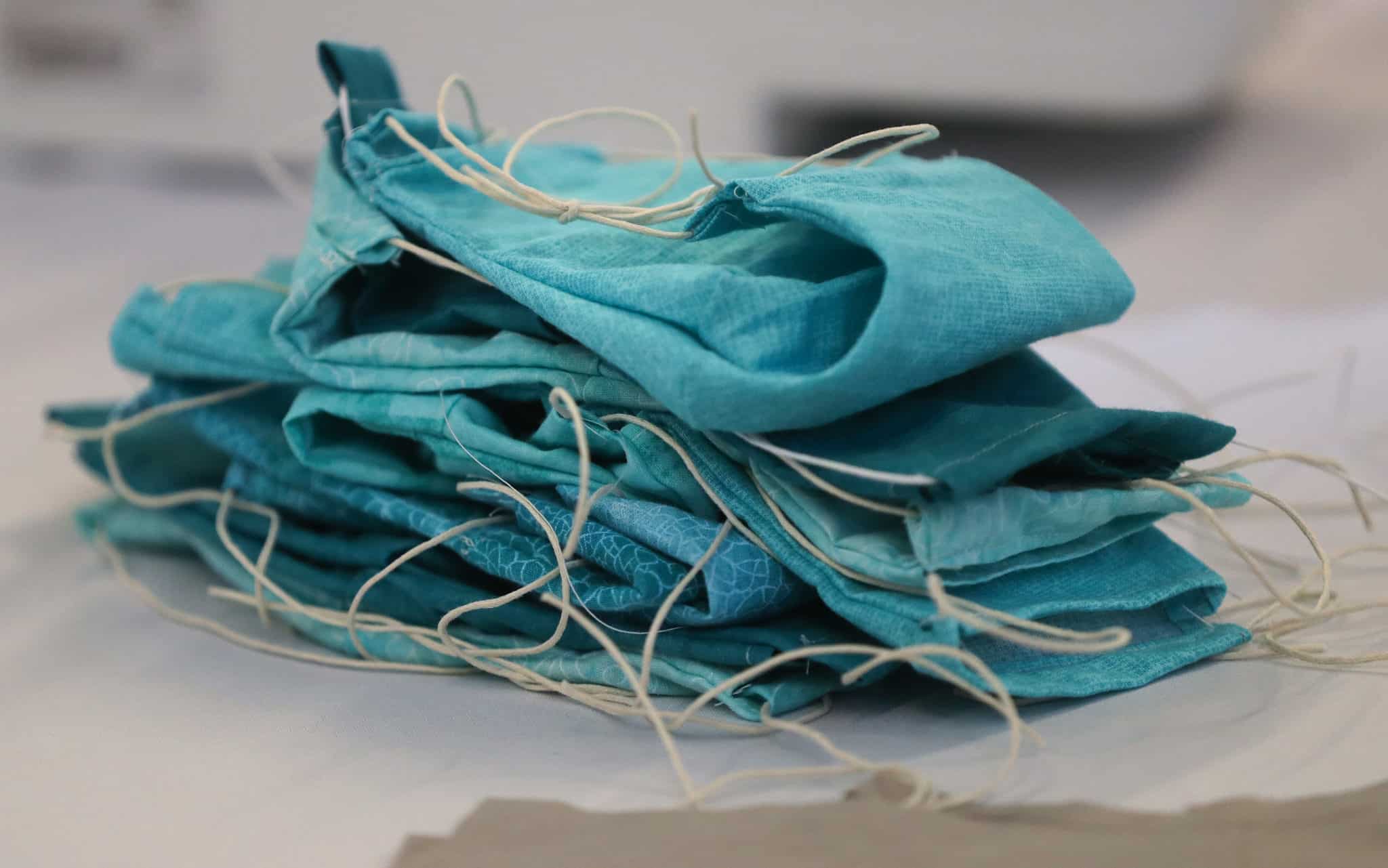
Finished masks produced by the Tieks by Gavrieli shoe company, which will be donated to hospitals amid the coronavirus pandemic, rest on a table on March 31, 2020 in Culver City, California. The Los Angeles-based shoemaker, after learning of a need for masks in hospitals during the battle against COVID-19, has retrained employees to make the masks from sewing machines and launched an online campaign teaching people how to make the masks for donation at home. The cotton masks are intended for use by medical workers in non-coronavirus situations with more than 30,000 masks from the online campaign #SewTogether already on the way to hospitals, according to the company. (Photo by Mario Tama/Getty Images)

This school year my son’s Jewish preschool is teaching the 3 and 4 year old students the entire Torah. Each morning from 9am-Noon they arrive at school after answering a Covid questionnaire, have their temperatures checked, put on their face masks and wash their hands. They each in their own little way are doing everything they can to keep one another, their families, their teachers and our community safe from this lethal pandemic. And that’s the whole Torah. The rest, as Rabbi Hillel says, is just explanation.

Have you heard the midrash about the man who wanted to learn the entire Torah standing on one foot? Rabbi Shammai dismissed him, but Rabbi Hillel answered him easily, ‘What is hateful to you, do not do to your neighbor. That is the whole Torah; the rest is the explanation of this’. In 2020 billions of people on this Earth are all praying for a single thing – an end to this pandemic and the health of those in its clutches. To wear a mask is the single kindest, most considerate way of caring for one another. To selfishly (and often illegally) leave home without one is hateful to your neighbor. To do so and to claim it is somehow a Jewish right not to need one, is a chillul hashem an act in violation of the Torah and God’s name.

I of course wrestled with the decision to send my son back to school this year, and ultimately made the choice knowing what was right for our family and his social emotional growth. I also wasn’t optimistic that this would ‘all be over’ in a few months and realized we needed to create a sustainable way to continue to educate our children in pandemic times. Knowing our school was taking every possible precaution brought a sense of relief to the decision but more so than that I saw how they were teaching our children a fundamental value of Judaism in their approach – that sacrifices like masks and other protocol was all worth it to save a life.

On one of our first parent Zoom calls about the plans for the school year I asked why it was they were bothering with a seemingly endless list of precautionary changes – having separate play spaces and sensory bins, having Shabbat singing outside etc. Wouldn’t the kids all inevitably exchange some germs and shouldn’t we just accept the pros and cons of ‘podding’ up as a preschool class? In answer to my confusion our administration told me this – the goal first is to do what we can to protect our children, but second it is to educate them. Part of that education is that in a global pandemic, we act differently. We cover our faces, we stay home with a sniffle and we wash our hands whenever we can. Our children are learning to be compassionate and caring members of the community through each of these actions even if there might be small missteps along the way. 

Thank you to all the educators and communities teaching the whole Torah this year.


Marion Haberman is a writer and content creator for her YouTube/MyJewishMommyLife channel and Instagram @MyJewishMommyLife page where she shares her experience living a meaning-FULL Jewish family life. Haberman is the author of Judaism and pregnancy book “Expecting Jewish!” She is also a professional social media consultant and web and television writer for Discovery Channel, NOAA and NatGeo and has an MBA from Georgetown University.

Did you enjoy this article?
You'll love our roundtable.

Editor's Picks

Latest Articles

The Joy Within

Sukkot asks us to receive the harvest that has actually come in—not the one we imagined or wished for.

A Bisl Sukkot ~ Don’t Be Afraid, Go Outside

The sukkah reminds us to go out into the world, especially when the comforts of insularity beckon us closer—to explore paths we have yet to take and seek journeys ready for wandering.
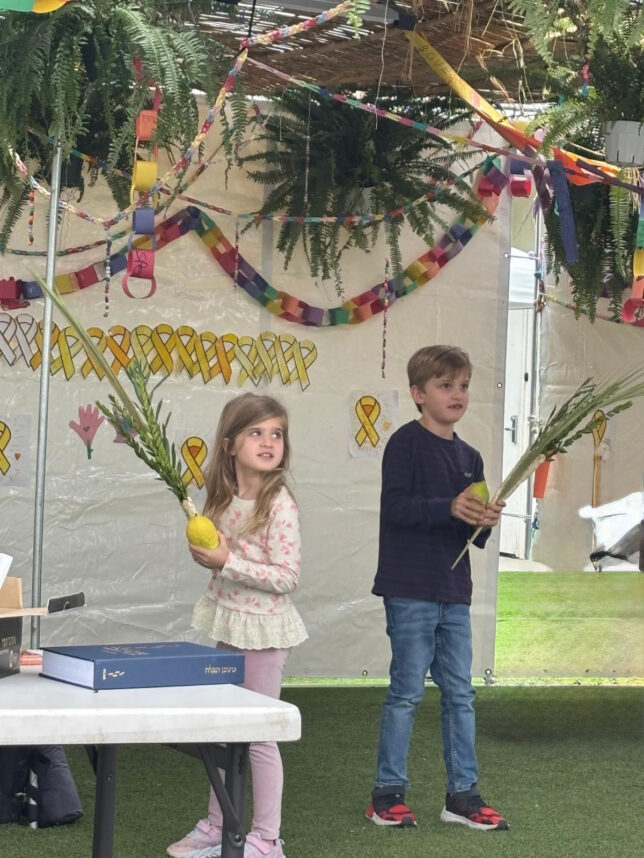
A Harira Hug in the Sukkah

I love making soup for this holiday because even if the days are still warm, the cooler evenings make you start craving something warm and comforting.
The Beat Goes On

While so much of the world seems obsessed with and consumed by its hatred of Israel and Jews, Israelis continue to build, create, work, celebrate, argue, raise families, and plan for the future.

Viral AI Video Targets Jewish Comedian

“The biggest concern is that people now have a pathway to shut down Jewish voices through complete falsities that people will believe. … For the future of Jewish entertainment, it’s very scary.”
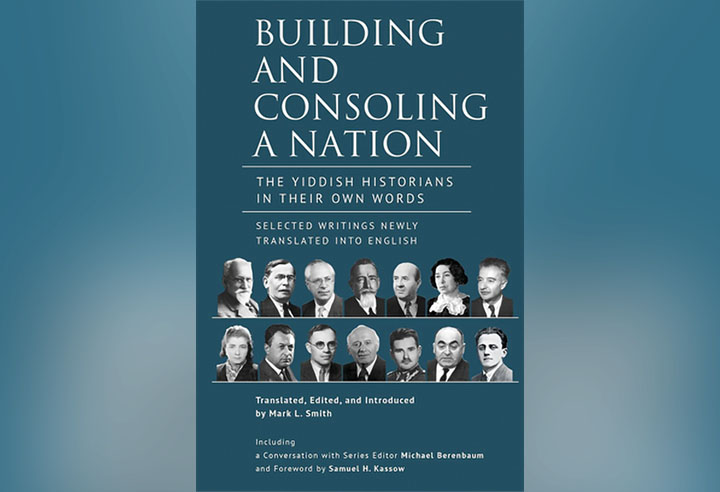
Yiddish Historians: Writing in Their Own Language for Their Own People

Mark Smith has compiled an important anthology of Jewish history using 49 works by Yiddish historians to recreate or at least open the door to a world of Jewish thought that was once almost mainstream, but which no longer exists, except in the minds of too few specialists.
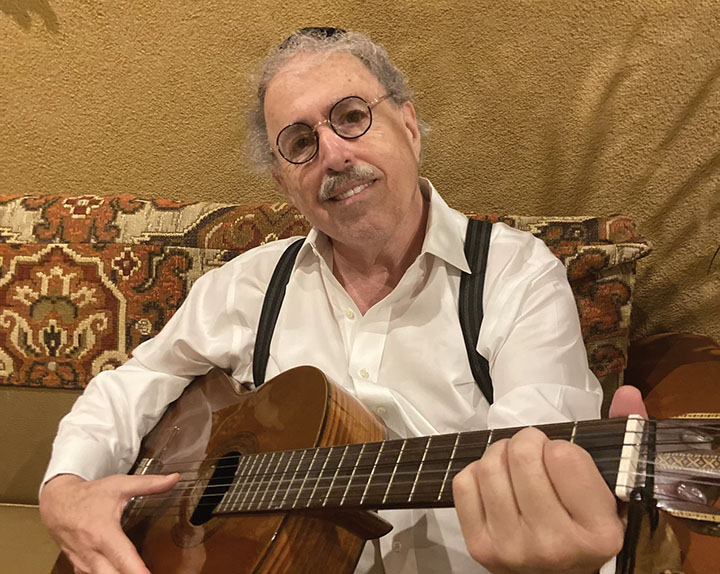
The Everlasting Melody

Most Jews who have sung “Eitz Chaim” over the past half-century probably never knew Portnoy. They did not know when he wrote the melody or how young he was when he composed it. They simply knew the song.

More news and opinions than at a Shabbat dinner, right in your inbox.