fbpx

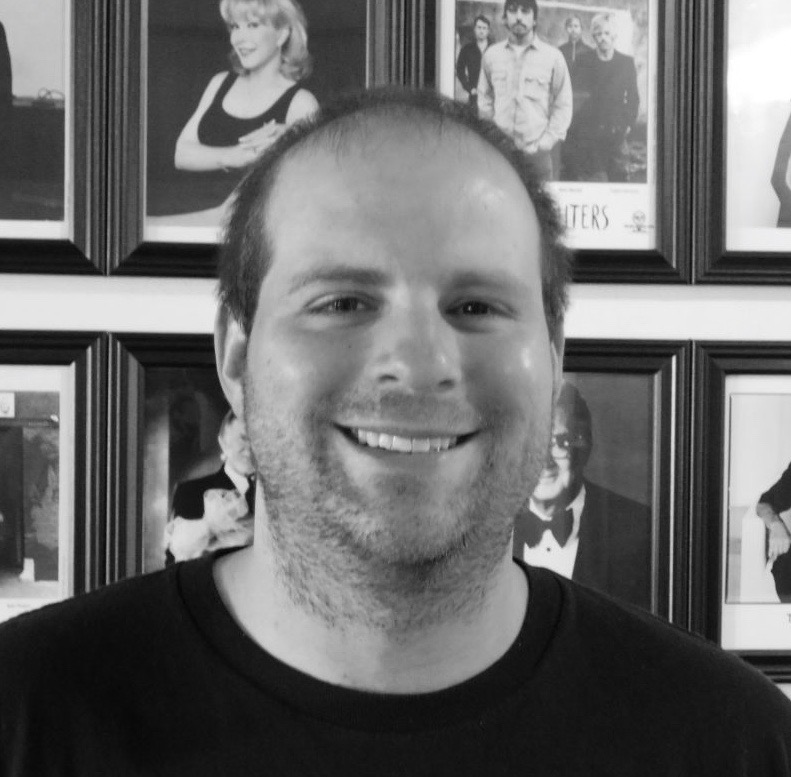
Barry Horowitz on His Multi-Decade Wrestling Career and Top Wrestlers of All-Time

[additional-authors]
April 10, 2020

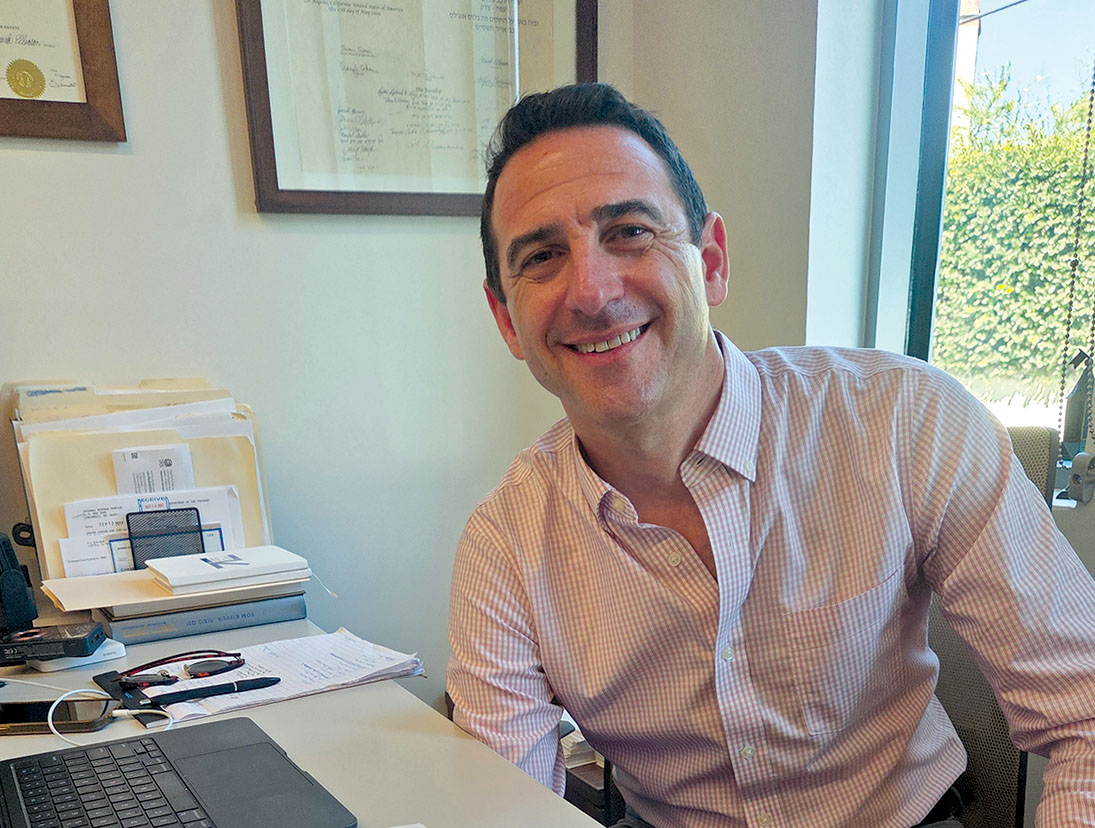
Growing up as a fan of professional wrestling, whenever I saw Barry Horowitz wrestle, I had two immediate thoughts. First, that guy is probably going to lose the match. Second – based on his name and my pre-teenage assumptions – that guy is Jewish.

Wrestling is not often associated with Judaism, hence Barry Horowitz seeming like a rarity within his field. Yet if you read enough of my features for the Jewish Journal, you may also recall recent interviews with the likes of Maxwell Jacob Friedman (“MJF”), Scott Levy (“Raven”) and Colt Cabana, who are all M.O.T. and have all wrestled extensively on television.

Horowitz, who was initially trained by the not-universally-known-to-be-Jewish wrestler named Boris Malenko (real name Lawrence Simon), got his start in wrestling in the late 1970s and still remains ring-ready these days. Prior to landing within the WWF (now WWE) ranks in the 1980s, Horowitz was the holder of the NWA Florida Heavyweight Championship. And of course, his decades in the ring have pitted him against many of the most popular wrestlers of all-time, including The Undertaker, Shawn Michaels, Ric Flair, Bret Hart, The Ultimate Warrior, “Macho Man” Randy Savage, Bill Goldberg, Dusty Rhodes, Jake “The Snake” Roberts, Mick Foley, Triple H, and Rowdy Roddy Piper.

Bringing things up to the present, the man known as “Mr. Technical” is currently off the road from appearances and signings due to the Coronavirus pandemic. However, Horowitz does keep busy as a trainer and schooled nutritionist, and does have a Pro Wrestling Tees online store.

I had the pleasure of speaking with Barry Horowitz by phone on April 6, and the audio from that conversation is embedded below for your listening pleasure. We explored Horowitz’s Jewish roots and plenty more within that chat.

More on Barry Horowitz can be found here.

Did you enjoy this article?
You'll love our roundtable.

Editor's Picks

Latest Articles

Antisemitism, Deicide, and Revolution

The United States Conference of Catholic Bishops did a remarkable thing: It issued a memorandum to all American Catholic bishops urging them to prepare their teachings carefully during this Easter period and ensure that they accurately present the Church’s positive teachings about Jews.

Chametz Is More than Crumbs in the Corners of our Homes

Chametz is also something that gathers in the corners of our being, the spiritual chametz that, like the physical particles we gather the night before Passover, can infect, wither, influence and sabotage us as we engage with others.

Alpine Flavors—a Crunchy Granola Recipe

Every Passover, I prepare a truly delicious gluten-free granola. I use lots of nuts and seeds (pistachios, walnuts, almonds and pumpkin seeds) and dried fruits (apricots, dates and cranberries).

Pesach Reflections

How does the Exodus story, Judaism’s foundational narrative of freedom, speak to the present? We asked local leaders, including rabbis, educators and podcasters, to weigh in.

Rosner’s Domain | Be Skeptical of Skeptics, Too

Whoever risks a decisive or semi-decisive prediction of the campaign’s end (and there is a long list of such figures on the Israeli side as well as the American side) is not demonstrating wisdom but rather a lack of seriousness.

When We Can No Longer Agree on Who Is Pharaoh

The Seder asks us to remain present to the tension between competing fears and obligations. It does not require choosing one lesson over the other, but rather, it creates space for us to articulate our concerns and listen to the fears and hopes that shape others’ views.

Pesach at War. Leaving Fast, Leaving Slow.

Freedom, it would seem, is erratic; it happens in fits and starts, three steps forward and two steps back. Freedom is a leap into the unknown, driven by a dream. We will figure it out in time.

More news and opinions than at a Shabbat dinner, right in your inbox.