
The following blog was originally published here: https://reformjudaism.org/learning/torah-study/vayigash/finding-guidance-and-direction-voice-within
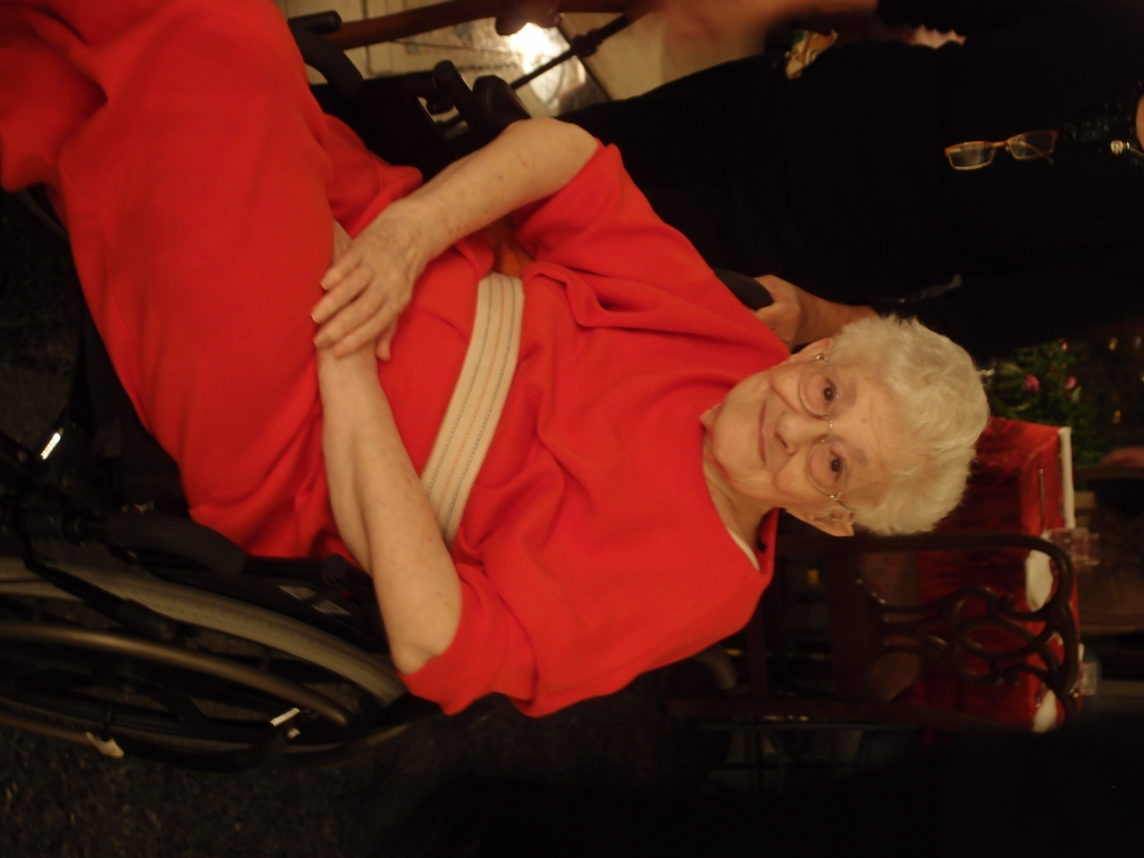
״You’re Zachary, right?” Grandma asked. “What do you do?”
“I’m a rabbi,” I answered.
“What do rabbis do?”
I thought for a moment: “We teach, Grandma!”
(30 seconds later)
“I forget,” Grandma continued, “What do you do?”
“I’m a rabbi.”
“What do rabbis do?”
I reconsidered my first response: “We help people through life moments, Grandma.”
(30 seconds later)
“Tell me,” Grandma continued, “What do you do?”
I’m a rabbi.”
“What do rabbis do?”
I struggled to help her better understand: “We visit people who are in need.”
This was how the conversations were with Grandma in the sunset years of her life. Her mind was failing, but she still yearned for connections. Grandma would ask the same questions over and over. And each time, I answered in a different way, as though Grandma would hear it a different way and eventually understand. But it dawned on me… Grandma never needed to hear it differently.
I needed to hear it differently.
Her piercing question, “What do you do?” caused me to think, to really think, “Zach…. What dorabbis do?” And even more so, her question motivated me to receive the question God asked Adam in the Garden of Eden, Ayeka, “Where are you?” (Gen. 3:9)” Where am I in life? What am I doing? Is my soul-print on earth making a difference? Am I running around in search of meaning?
Adam couldn’t respond easily to God. He was afraid and hid. It took almost the entire Book of Genesis for humanity to better learn God’s question.
The Creation of the world is juxtaposed with story after story in Genesis of how humans mess things up by not having real connections. Cain murdered his brother, Abel. Isaac only saw his estranged brother Ishmael at their father’s funeral. There were no words. A generation later, Jacob and his older brother, Esau, embraced. But Jacob did no t’shuvah, no repentence for the stolen birthright or attempt at reconciliation.
But here, in Vayigash, Joseph is the first one to reconnect with full disclosure. He doesn’t hide. He doesn’t avoid. He doesn’t run. Joseph steps forward and says to his family, “I am Joseph…” (Gen. 45:1-3). “Come draw near to me… and don’t be troubled” (Gen. 45:4-5).”
So often we avoid difficult situations by ignoring them. We turn away rather than draw close. We hide rather than talk. But Joseph … he shows us that running leads to trouble. But embracing reveals God’s voice within.
And me… There I was, living as a rabbi, trying to find meaning in so many places. But God’s voice was there all along, shining through from my incredible grandma. “Hineini” I realized. “Here I am.” And with that, I drew close to Grandma and hugged her. Her trouble, for a moment in time, went away. And my journey reached a new milestone. I was no longer defining a rabbi. I was living a moment.
After all, sometimes, all you need is a hug.
With love and shalom,
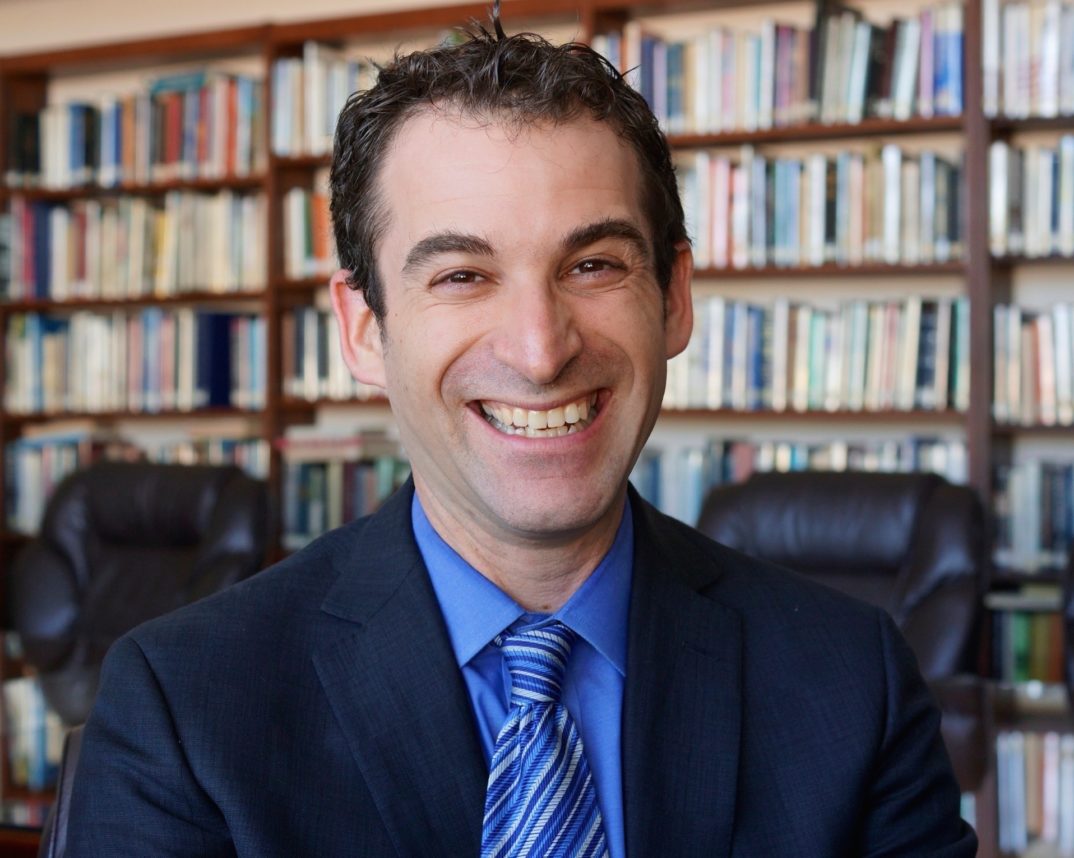
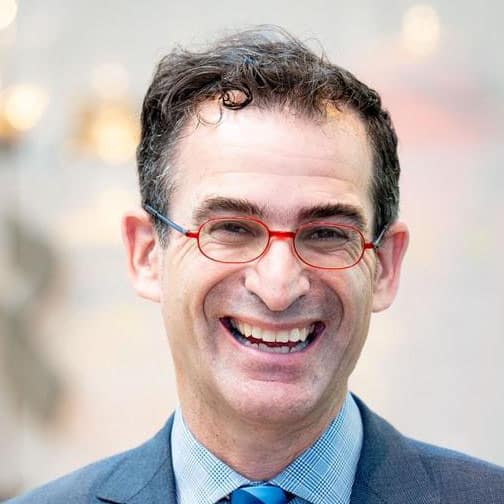
Rabbi Zach Shapiro
A change in perspective can shift the focus of our day – and even our lives. We have an opportunity to harness “a moment in time,” allowing our souls to be both grounded and lifted. This blog shows how the simplest of daily experiences can become the most meaningful of life’s blessings. All it takes is a moment in time.
Rabbi Zach Shapiro is the Spiritual Leader of Temple Akiba of Culver City, a Reform Jewish Congregation in California. He earned his B.A. in Spanish from Colby College in 1992, and his M.A.H.L. from HUC-JIR in 1996. He was ordained from HUC-JIR – Cincinnati, in 1997. He was appointed to the HUC-JIR Board of Governors in 2018.