When I was a senior in high school, I was elected to be the Drum Major for the school marching band. That’s the person who stands up in front of the band and directs it, issuing commands during shows and parades using voice, whistle, and baton movements.
Shortly before I started in my new position, one of the band instructors took me aside to tell me a story he used to tell to all new Drum Majors.
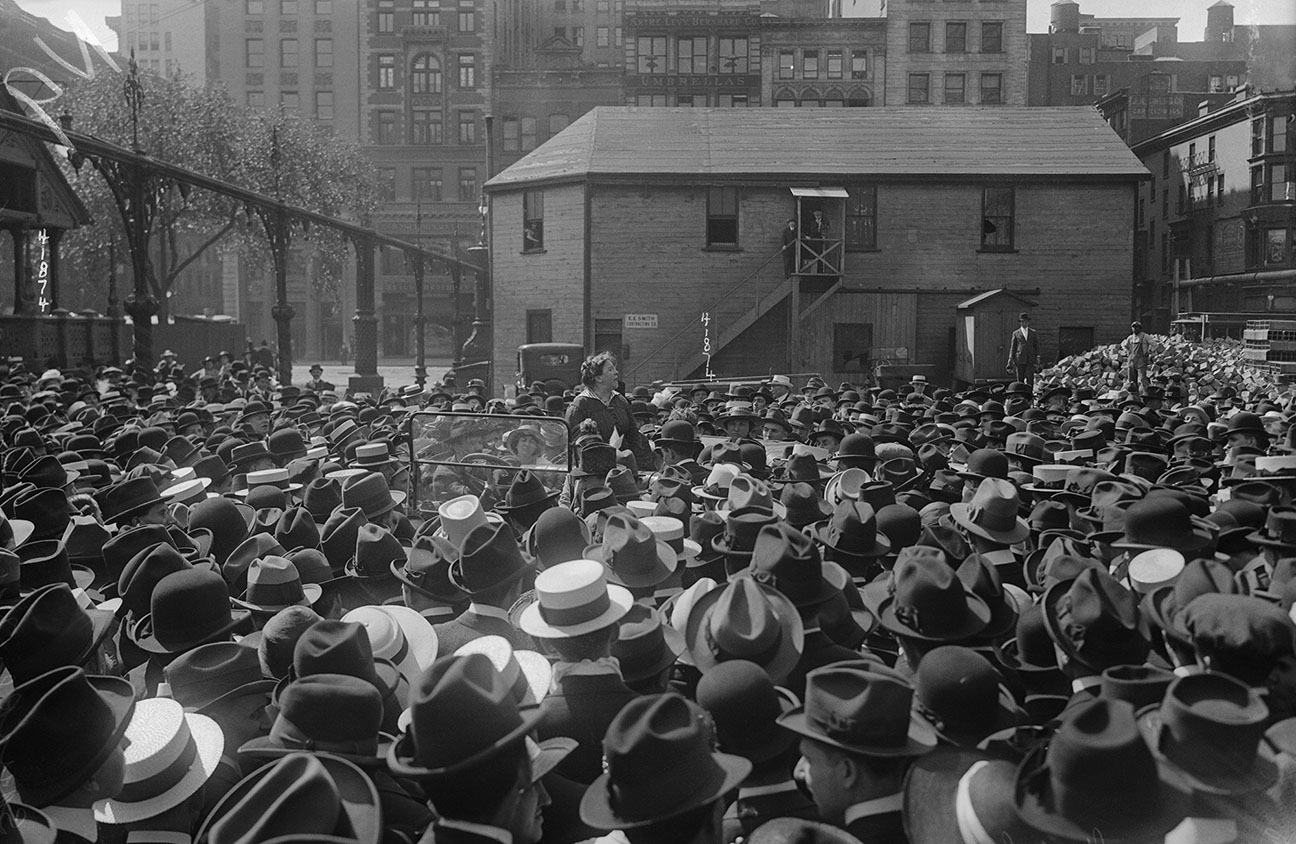
During the Civil War, he said, President Lincoln was leading the Union Army across a field. They were marching in ranks of ten, cutting a swath through the crops as they headed toward battle. Suddenly, they came upon a long, high wall which blocked their path. Looking to the left and right, Lincoln saw the wall seemed to go on forever, with no obvious way to cross it.
How was he to march his ten columns of soldiers up and over to the other side of the wall in an efficient and orderly fashion? He couldn’t. So, he halted the men and ordered, “Break ranks and form up on the other side of the wall!”
The point of the story is, when you find yourself in an unexpected situation, and you discover it’s impossible to do what you planned to do, don’t panic. If you act like you’re confident and in control, people will follow you. Just don’t let them see you sweat.
This advice turned out to be quite timely. Before school started each year, our marching band traditionally marched at the State Fair in Sacramento. I was proudly leading the band in this, our first performance of the year, when I noticed we were no longer marching between rows of people. Rather, we were in the midst of several smelly cattle pens. Apparently, I had missed the band instructor’s signal to make a left turn.
Remembering the Lincoln story, I didn’t panic. I thought for a moment, then ordered the band to come to a halt. I then gave the command for an “about face,” and marched them out of the cattle pens and back onto the parade route. Yes, it was embarrassing, but, as they say, all’s well that ends well.
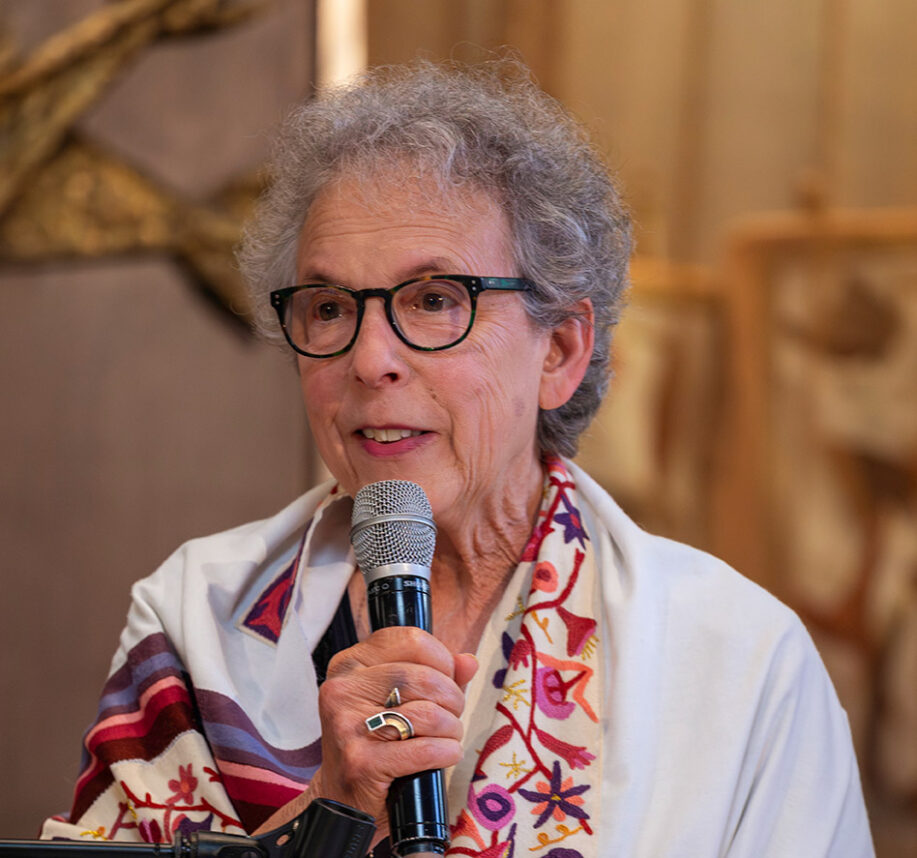
I have thought of that advice many times over the years. Just this week, I led a memorial service at the synagogue. Several times during the service I had some doubts. “What page should we go to next?” or “What tune should I use for this?” or “What if I forget the words to this one that isn’t in the prayer book?” are just some of the thoughts that popped into my head.
After the service, one of the congregants told me what a great job I had done, saying she admired the sense of confidence I conveyed. I smiled and thanked her, telling her it meant a lot to me that she said that. And I thought, once again, of Lincoln and the wall, and the sage words of a dear band instructor who, I now realize, I never properly thanked for his priceless advice.
—————-
“Like” the “>follow me on Twitter.