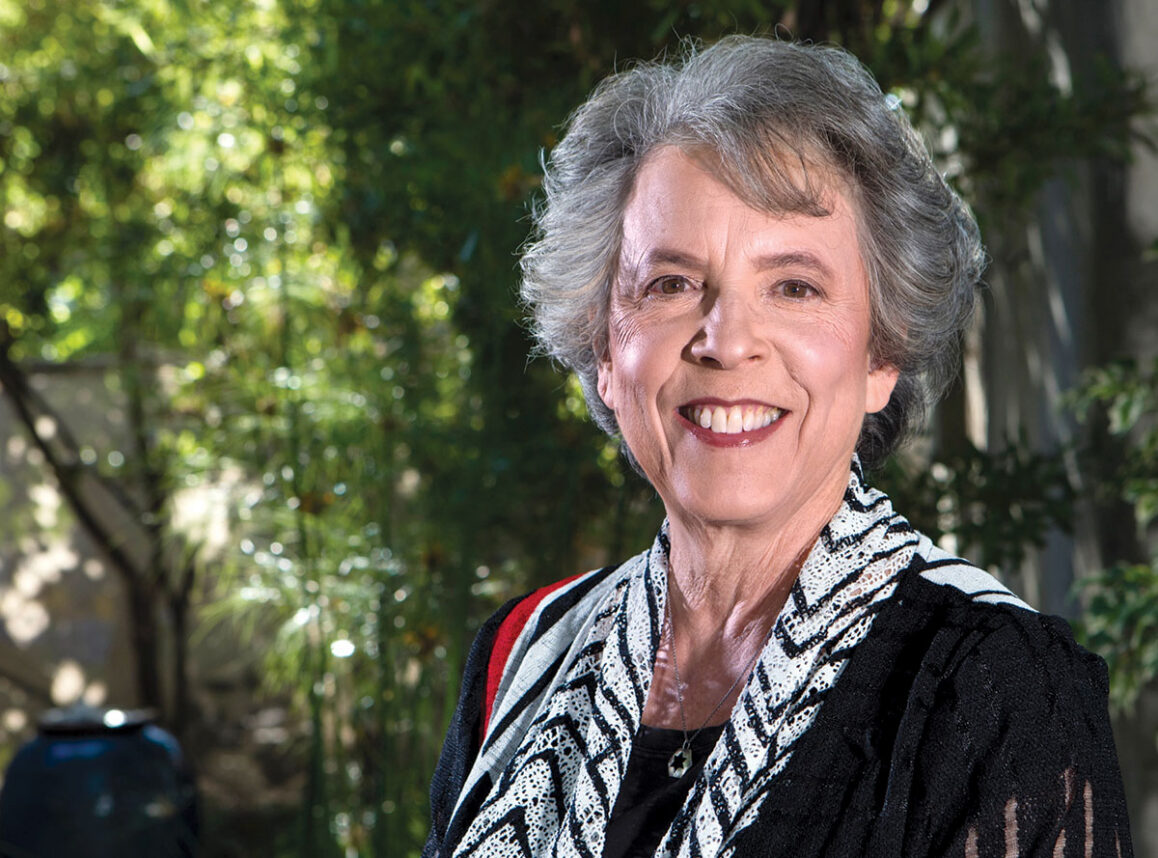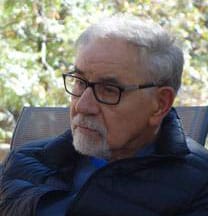
Zalman Schachter-Shalomi — “Reb Zalman” to his many friends, students and disciples — is considered the guiding light of Judaism’s Renewal movement. Recently he was in Los Angeles for Makom Ohr Shalom’s Rosh Hashanah services. Because he was so busy during the visit, he agreed to an interview via Skype after returning to his home in Boulder, Colo., where he lives with his wife Eve and their two cats, Mazel and Brakhah. Now 85, Zalman said he was “tired” from his holiday traveling, though he appeared as vital as ever. Bearded, eyes twinkling, animated, wearing suspenders and a knitted kippah, he chatted about topics close to his heart: Eco-kashrut, aging and the future of religion.
Jewish Journal: First of all, happy birthday.
Rabbi Zalman Schachter-Shalomi: I’m glad to be another year older. Born again, I’m born again.
JJ: Please tell us what eco-kashrut means to you.
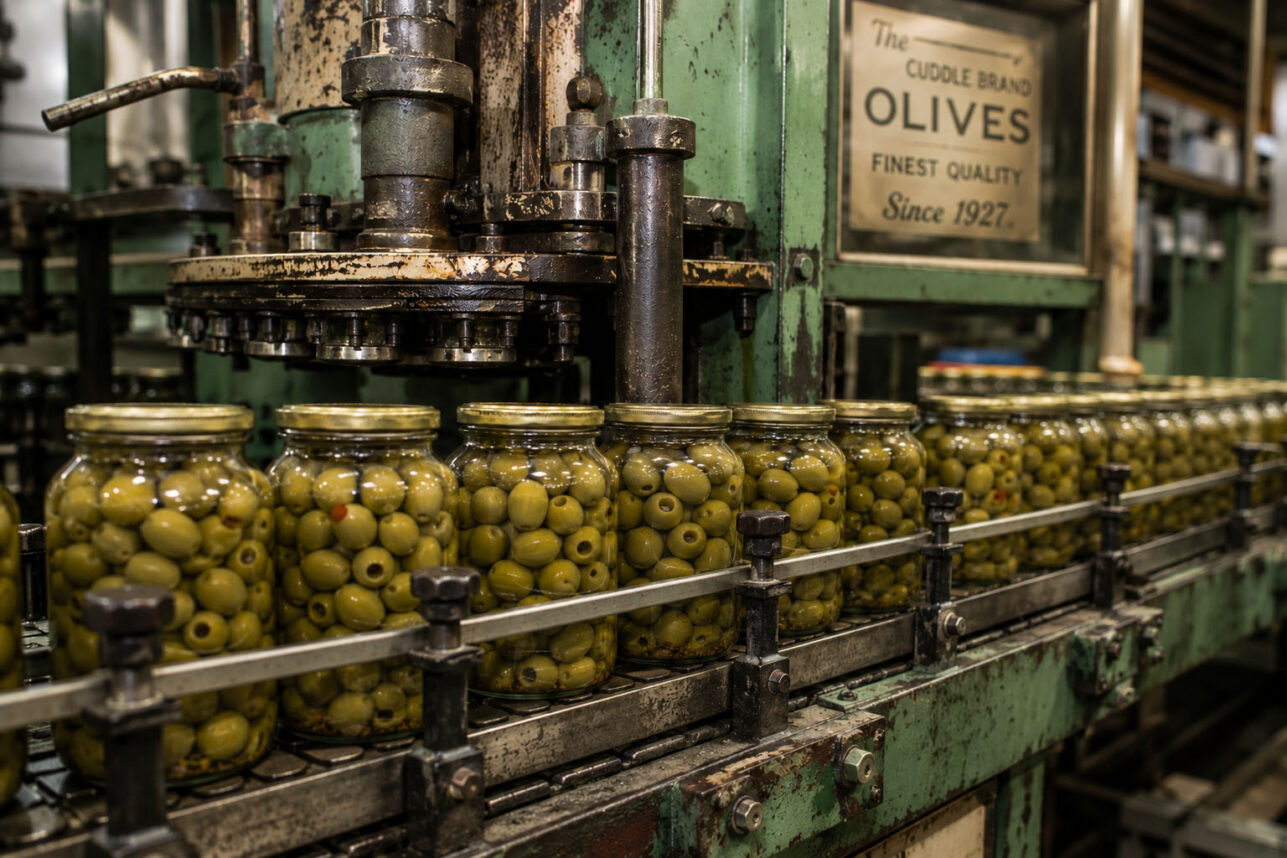
RZ: Well, it’s very clear that when the Torah says we are to keep the laws and we are not to abominate ourselves, that this is a very important teaching. And that was at a time when agriculture didn’t have any genetic material added to it, and things were very simple in life. Now, things have become much more complex with things like genetic additions that people are doing. So eco-kashrut asks where something comes from: What kind of labor conditions were there? Is it fair trade and so forth…. All these things that have come up through people who are morally and ethically aware today … these things have to be incorporated, or else it turns out that with our ideas of kosher, we are way behind the moral level that other people today are in.
Furthermore, it’s not only where something comes from, but where it goes to. I’ll give you an example. At one point we would say that if you give me something in a Styrofoam cup, then I don’t have to worry if someone has used it before, because it’s brand new and definitely kosher. But certainly it’s not eco-kosher, because it will not biodegrade. So we also have to keep in mind what needs the Earth has.
JJ: So eco-kashrut relates to a whole range of issues…
RZ: Right. It’s integral to a better way that we are going to live. You know, [Rabbi] Art Waskow has a good way of saying it. The Talmud speaks of what the laws will be when Moshiach will come. And Art says, if you want Moshiach to come, you have to start living those laws now. And that’s a very important thing about eco-kashrut.
JJ: More than 10 years ago you wrote about aging. How have your ideas about aging changed by turning 85?
RZ: When I wrote ‘From Age-ing to Sage-ing,’ I was paying attention to what I called the October and November years. I mentioned the December years, but when I wrote that, I was not there yet. Now I’m there. And I’m writing about that. The issue comes up in so many ways. What are they talking about now? ‘Death panels,’ right? But those people who talk about ‘death panels’ should talk to people who are tired of living…. When a person feels a great tiredness, they would be quite happy not to have anybody use heroic measures to prolong their lives…. So I’m talking with people who are in that situation. I was speaking with a woman who was terminally ill, and there was a point when she was saying, ‘I’m ready to go.’ So people need to understand that part, too.
Since I began to write about this, there’s been a lot more thought about these ideas in the world and in our culture. You look at the amount of work that has been done on hospice and these issues in hospitals and so on. Chaplains are becoming much more alert to these issues, so I’m very happy that this work has gone on.
JJ: How do you see the current movements and trends in religion?
RZ: I have the feeling that every religion is like a different vital organ of the planet…. A healthy heart is important, but so are a healthy liver and kidney and lungs. And to be the best Jews that we can be would be to help other people live their religion in the best way possible. Yes, there is an inflammation of fundamentalism taking place in many religions, a zealousness that wants to ‘diss’ all the other religions. But there’s an ecumenical shift taking place as well; people are beginning to understand that we are all human beings, cells of that living planet Gaia.
JJ: Where do you see that inflammation of fundamentalism heading?
RZ: Well, I can’t see over the hump of time, but I have a lot of faith in my students and others who are carrying the banner, so I know that something will shift. I know also that there are some wonderful people among Muslims, who are liberal Muslims, and they want Islam to come into the 21st century. But the fear they have is that they might be put on a fatwa list, and that fear is very great.
I know also that there is going to be shift toward ecology in Israel among the frum people, because some have said it’s halachic to preserve the earth better. So I have hope, you know. Am I sure about that? I’m not. We’re in a race right now. Will we survive on this earth or not? I have the trust that we will, because God is alive, and things will be for life, I’m sure of that. l