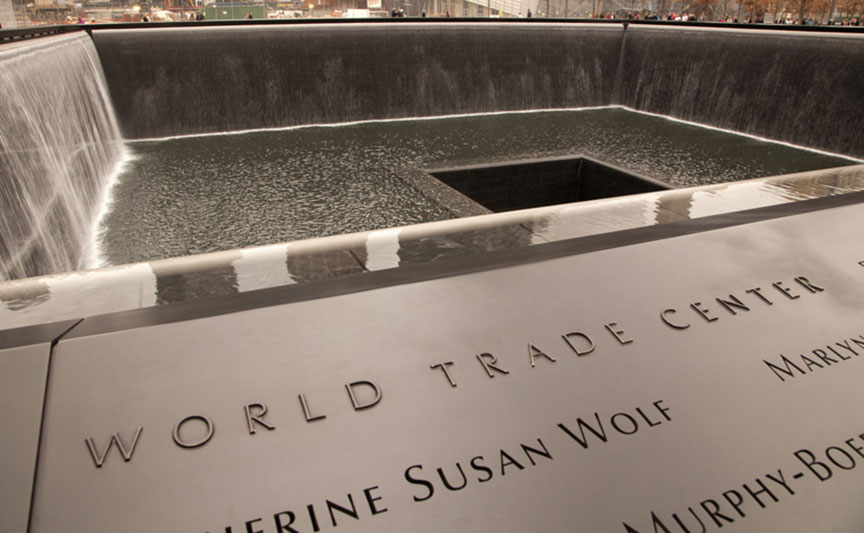
This summer we spent some time in New York City, visiting the 9/11 memorial. The memorial consists of two massive waterfall pools, the surrounding perimeter donning the names of those that died.
When we arrived we noticed one pool was completely empty while the other was in working order. The empty one revealed a sign, explaining that the pool was under repair.
The name of the memorial is: Reflecting Absence. In a way, I felt as if the working and “broken” pools, together perfectly conveyed this message. One pool beckoned onlookers, water streaming down into an abyss, tears that would eventually recycle into a continuously flow of anger, sorrow, memory and healing. With hundreds around the perimeter of the pool, it felt like an invitation to “fill” the absence with our own reflection. How do we each uphold the memories of the dead? What is our responsibility even years since that fateful day?
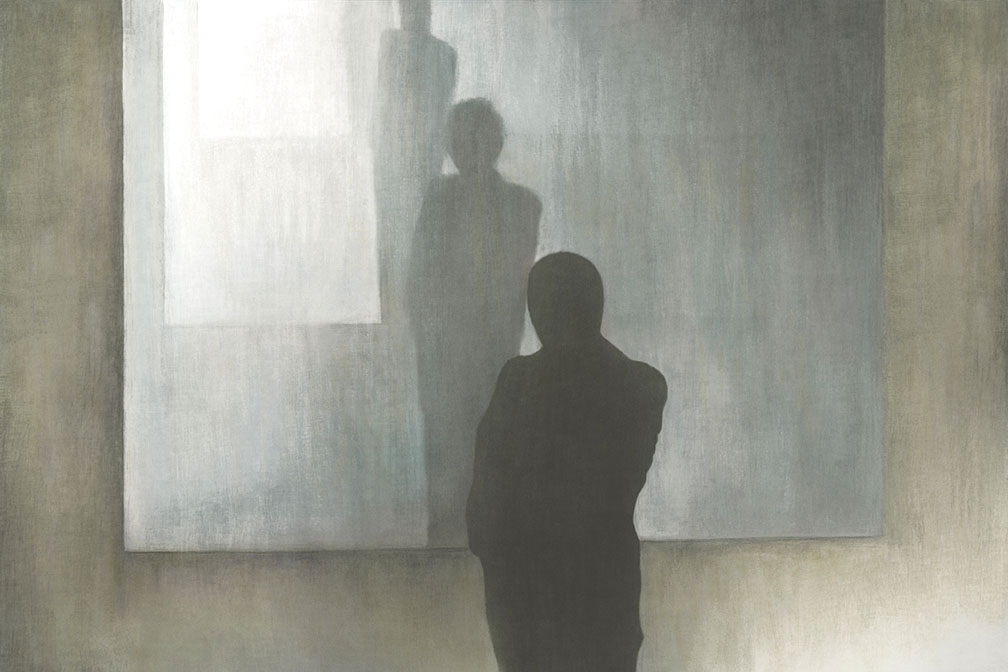
But it is the other pool that haunted me. Few walked closer. No water…nothing to see. But it wasn’t true. An empty pool wearing the names of the deceased felt like a hollow grave, asking us to understand the raw, aching emptiness felt by those that perished and the families that continue to mourn their loved ones. A heavy, suffocating expanse that needs constant repair and attention. Nothing to reflect upon or see through. Just an empty void to hold and attempt to comprehend.
The filled and empty pools convey the journey of grief. Sometimes grief is visible and noticed. Tears flowing, our hurting reflected in the eyes of those that hold us. Other times, grief is buried, invisible to the naked eye. Not seen by others but instead, we feel alone, a sense of emptiness growing within our veiled grief.
We recite Yizkor during Yom Kippur and the chagim. Yizkor is translated as “May God remember.” A continuous, ongoing process of remembering. Whether our grief is apparent or not, we request to be seen and held by the Holy One of Blessing.
Reflecting absence may be what we feel and internalize when visiting the 9/11 memorial but it’s not what we should model. Rather, may we learn how to emulate God, making room for those that grieve—the seen and unseen and instead, reflect upon them immeasurable compassion and an abundance of love.
Shabbat shalom
Rabbi Nicole Guzik is senior rabbi at Sinai Temple. She can be reached at her Facebook page at Rabbi Nicole Guzik or on Instagram @rabbiguzik. For more writings, visit Rabbi Guzik’s blog section from Sinai Temple’s website.