
I was notified last week that Rep. Ilhan Omar (D-Minn.) had tweeted an article of mine, which credited the freshman congresswoman for my newfound comfort in covering my hair with a headscarf rather than a wig, to her million-plus followers.
The reactions I encountered from friends and family were twofold. The first, overall incredulousness for the publicity of it all (thousands of comments and retweets!). The second was sorrow and shame. One family member likened the article to complimenting Hitler for having a backbone. A rabbi cautioned that I should consider doing teshuvah (repentance) for writing the piece, which portrayed a positive aspect of Omar, whose statements and tweets have been anti-Semitic. Only my mother, a complex amalgam of PETA-supporting, bleeding-heart Republican, called it tikkun olam, and noted that in the midst of the hateful rhetoric going back and forth, I had said something friendly and human and true.
As for my personal reaction, I felt that I had been used. In her tweet, Omar sliced my sentence, cutting the portion that declared my discomfort with her views and exhibiting instead the part that showcased her coolness. In addition, my title had been changed, whether to become more readable or clickable I’m not sure, but I definitely wouldn’t have credited her with being an “inspiration.”
It’s not hard to admire Omar for her boldness, whether with regard to headgear or to forging forward despite death threats and controversy. It’s harder to draw inspiration from her, though, when her support of the boycott, divestment and sanctions (BDS) movement seems more about “banishing those damn Semites” than caringly and constructively finding solutions that meet both Israeli and Palestinian needs.
As an organizer for Better Angels, a political depolarization group, I’ve learned to enter fraught conversations only after setting firm ground rules: respectful language, using “I” statements, and an agreement to stay curious and connecting, instead of attacking and condemning. Were I to have the opportunity to converse with Omar in person, I would add one more ground rule: Can you sign on to the statement that I have a right to safety and security just as much as you have a right to safety and security? Because without that commitment, any conversation, and any potential inspiration I can draw from you, becomes a nonstarter.
“Rep. Omar, I’m not yet convinced we’re on the same page.”
And my ability to feel safe is drawn up with the safety of Israel. I have too much family there, too strong an emotional and spiritual connection, and too much familiarity with Jewish persecution across the globe to feel at ease if Israel is threatened. And checkpoints and settlements, which Omar has denounced and publicly hoped to visit during her aborted trip to Israel, are all safety measures to avoid terror attacks and losing wars of elimination. They emerged out of bloody necessity, not out of colonization or a power grab, as she has claimed.
Omar’s statements about Jews and Israel have many in the Orthodox Jewish community panicking, partly for their content, but more so for the ease with which she appears able to utter them, given her platform as a member of Congress. My original article title, “Silver Lining to Omar in Congress,” was meant to cheekily reference that sentiment.
But while Omar has backpedaled on several of her statements, citing ignorance or saying they were taken out of context, she’s still a supporter of the BDS movement, which promotes, among other things, the rights for 5 million descendants of Palestinian refugees to return to homes and residences in Israel. That essentially would mean a Palestinian majority in the State of Israel, planting Hamas eerily in control and, voila, curtains for Israel and all the Jews in it.
So that’s why, Rep. Omar, I’m not yet convinced we’re on the same page. I first need to know if we can agree to this basic foundation: I want you and your family to live and thrive safely, as long as you want me and my family to live and thrive safely. Are you with me? If so, then let’s talk.
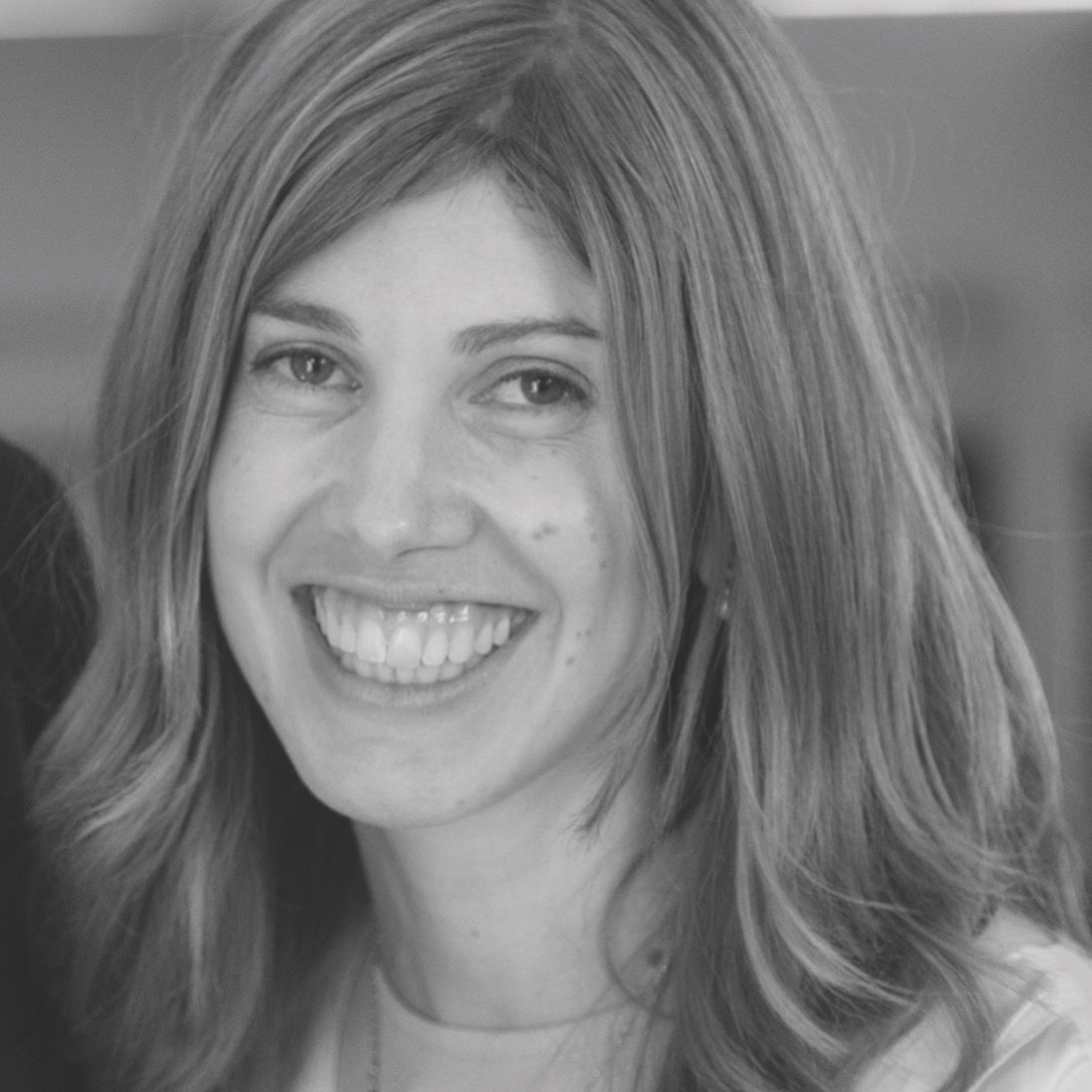
Rachel Wizenfeld is a Los Angeles-based writer, a school psychology graduate student and an organizer for Better Angels, a national political depolarization group.