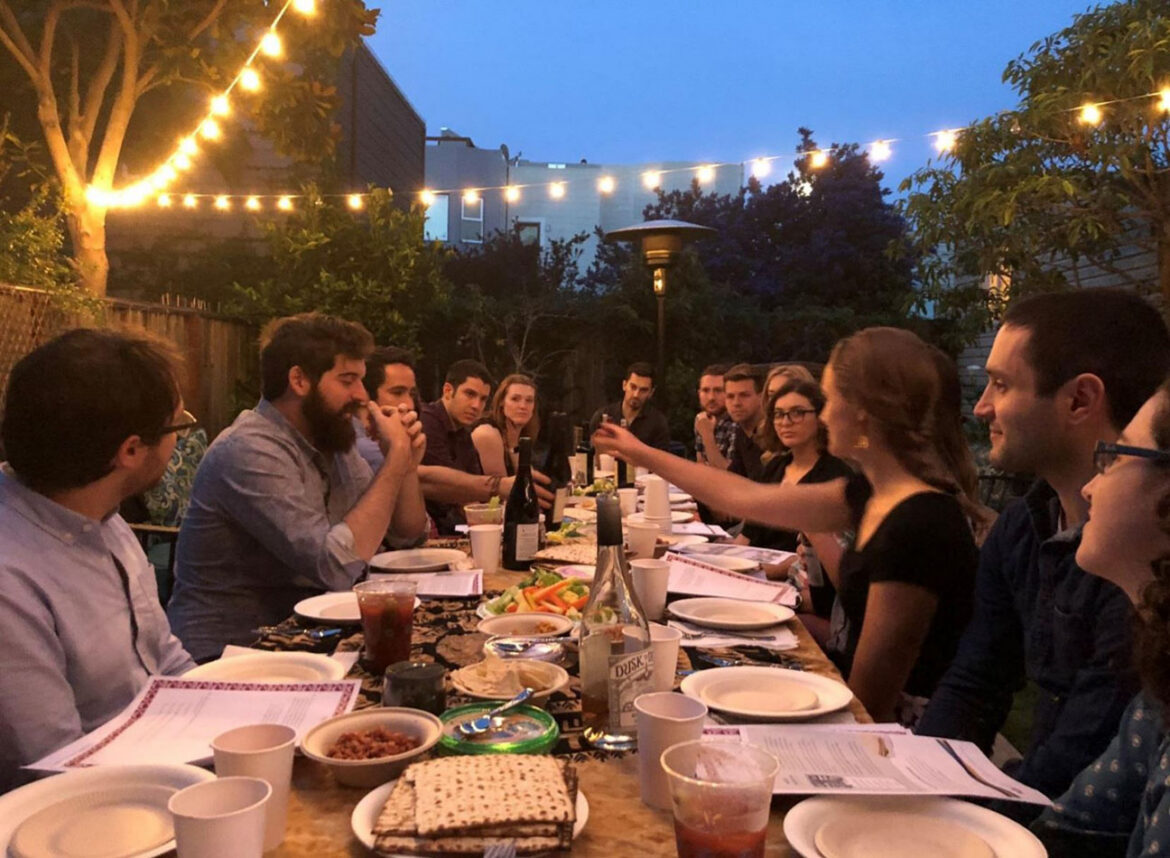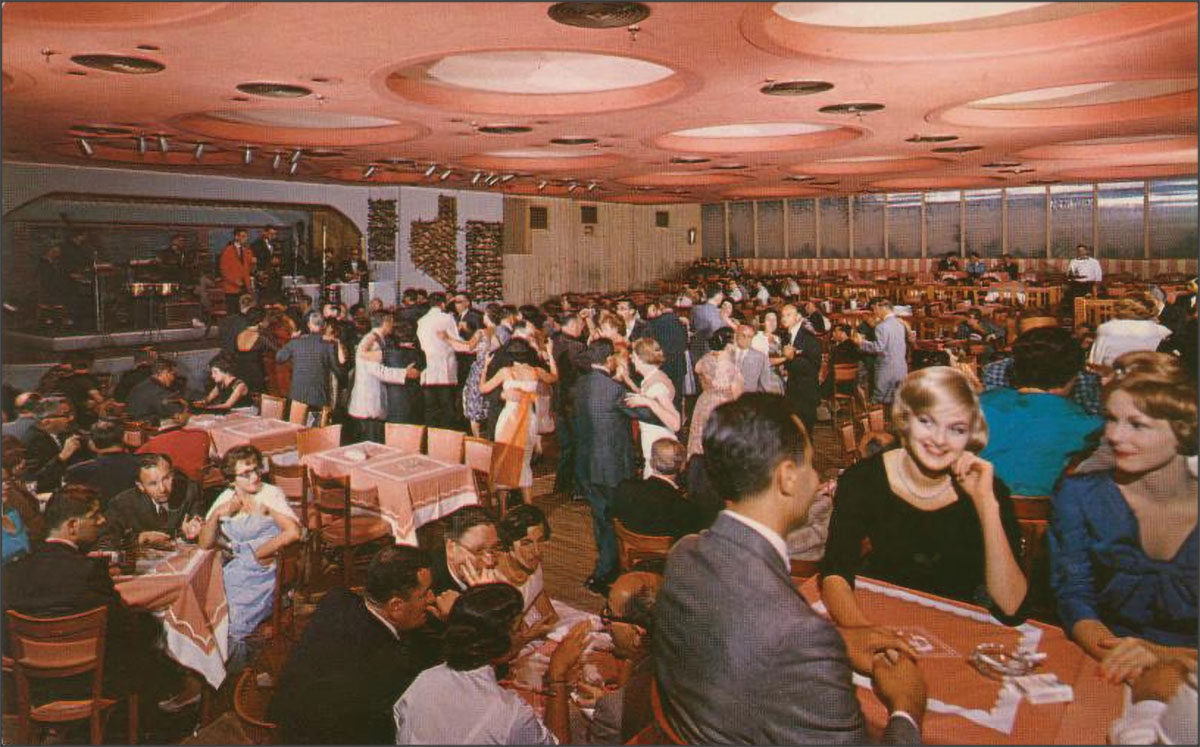

She stands extremely close to the mechitzah — the partition that separates the men and women as they dance — wondering whose bright idea it was to separate the sexes during the wedding. When she decides that the moment is right, she moves quickly, fueled by her conviction that she knows best.
Before anyone can stop her, she rips down the mechitzah, dismisses those who implore her to honor the bride and groom’s wishes, and pulls the couples toward one another, motioning for them to dance together.
The rebellion spreads like fire over coals, and soon most of the men and women are dancing together. She gently brushes past the bride and dances with the groom herself. Nothing is going to stop her from dancing with her grandson at his wedding.
She didn’t escape the Islamic Revolution, endure 50 years of a stable but loveless marriage, hold together a traumatized family in the United States and demand that all of her grandchildren marry Jews but not become “too religious” — just to stand on the sidelines at her grandson’s wedding.
I like Persians, but I love Persian grandmothers, especially those who are so out of their element in this country that it’s taken them 40 years to accept the fact that rice cookers are real things.
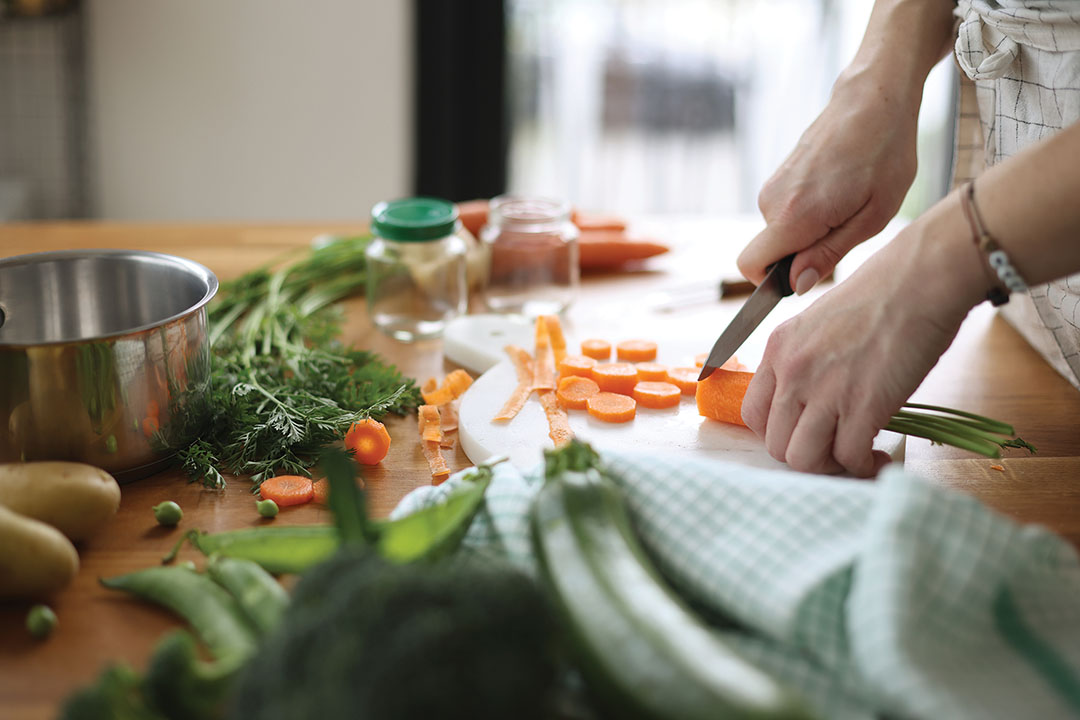
I’m referring to the grandmothers who would rather poke out their eyes with rusty kabob skewers than add tofu to their Persian stews in order to accommodate one “enlightened” granddaughter; the ones who still remember what pre-Passover chametz purification was like in Iran, where they had to open pillows and clean the feathers, slowly chip away at a giant block of solid turmeric because kosher for Passover spices weren’t sold in stores, or wash heavy Persian rugs in a nearby stream until their bulging veins were as blue as the azure fabric.
These are the women who gloriously cook everything in oil and salt while their daughters (my mother’s generation) use some terrible product called “nonstick spray” and very little salt, because our mothers have become dangerously empowered by healthy living in this country.
These are the women who have seen everything, who married before they could be considered adults, who endured childbirth without epidurals, set their tables the night before so no one would suspect that they were fleeing Iran in the morning and who continue to hope that even one of their American-born grandchildren will ask them to share their stories about Iran during Shabbat family dinners.
These women know more than we do because they’ve seen more than we have. And they won’t listen to anyone.
In truth, I’m not sure I want to live in a world where Persian grandmothers follow the rules or defer to anyone else — including their husbands.
Are they all like this? Absolutely not. But I adore the ones who are.
My maternal grandmother was a menace. I spent my childhood with her in Iran, and I’ve never seen anyone rub her skin to such a healthy, fire-red glow with a hard piece of pumice as that woman did in the shower. The way that my grandmother would attack her skin — in the name of Godliness and cleanliness — was simultaneously charming and awful but when it was my turn to take a shower, she would toss the pumice and use her warm, loving hands on my back and face in a way that made me feel sublimely secure and adored.
“I like Persians, but I love Persian grandmothers.“
I’ve been loved by old, rigid Persian women; I’ve been taught by them, inspired by them and even yelled at by them. I’ve also grieved for them, but only from abroad. I wasn’t able to attend either of my grandmothers’ funerals.
My maternal grandmother — the pumice aficionado — died in Israel decades after escaping Iran. My paternal grandmother, in whose chunky arms I would abandon all worry and doze off to the smell of cumin and fried onions that lingered in her blouse — died in Iran, and we never saw her again after we escaped.
There’s no doubt in my mind that had my grandmothers lived to attend my 2014 wedding in Los Angeles, one of them would have pulled down the mechitzah (if we’d had one) and the other would have asked to speak with the Persian caterer because no one had salted the eggplant stew.
I always wished that at least one of my grandmothers had been able to accompany me to the mikveh, or ritual bath, days before my wedding. Nervous and cold, I slowly walked into the warm water and, for some odd reason, felt as though my heart was beating thump thump to two syllables, sounding out the name, “Le-ah, Le-ah.”
Some time afterward, my mother had a routine surgery, and I wanted to pray for her recovery using a Hebrew name.
“Mom, do you even have a Hebrew name?” I asked, since I’d never heard any reference of it.
“I’m named after your grandmother,” she responded while seated at my table, eating bites of feta cheese.
“You’re named Iran?!” I cried. That was my maternal grandmother’s Persian name.
“I’m named Leah,” she responded while trying to hide the cheese from my slightly husky father. “That was your grandmother’s Hebrew name.”
“I’ve never heard about this!” I exclaimed, feeling slightly ashamed. “And what was my great-grandmother’s name?” She had died in Iran long before I was born.
At that point, my mother and father got into an argument over whether he should eat the cheese or stick to a healthier Persian cucumber. She won the quarrel, and holding the last piece of cheese in her vindicated hand, said, “Your great-grandmother? Oh, she was named Leah, too.”
The hairs under my lip, which I had tried dying blond since middle school, stood up straight.
“God bless her soul, I never did see anyone nearly scrub their skin off as your grandmother used to do,” my mother said. And then, looking down at the piece of cheese, she scowled and added, “This feta has too much salt!”
Tabby Refael is a Los Angeles-based writer.