The following Op-Ed was signed by several Los Angeles area rabbis, whose names appear below:
With the urgency of issues facing us on the national front, it is easy to overlook local politics and forget the strides made on Nov. 8, when a sizable majority of Los Angeles voters passed two measures to combat homelessness and the lack of affordable housing. They were Measure HHH, which will create permanent supportive housing, and Measure JJJ, which ensures the provision of affordable housing in many new developments.
On March 7, Angelenos will have another opportunity to assert that we celebrate diversity, commit ourselves to one another and reject tribalism and the fear of those who are different from us. As rabbis in the Jewish community, we are compelled to support Measure H and to reject Measure S.
Measure H will generate approximately $350 million annually through an additional quarter-cent sales tax. Measure H is more expansive than HHH, which was passed in November and was limited to housing construction. Measure H takes a more holistic approach, by spreading funding across a wide array of strategies that a county task force identified as essential to eradicating homelessness — strategies that range from case management services to targeted outreach and public-benefits advocacy. Measure H is likely to have a profound impact on homelessness by providing homeless people with the services and housing they need to get back on their feet. Opponents of Measure H argue that a sales tax is a regressive tax and, therefore, more harmful to lower-income people. However, it is important to remember that essential items such as groceries and prescriptions are not subject to the tax.
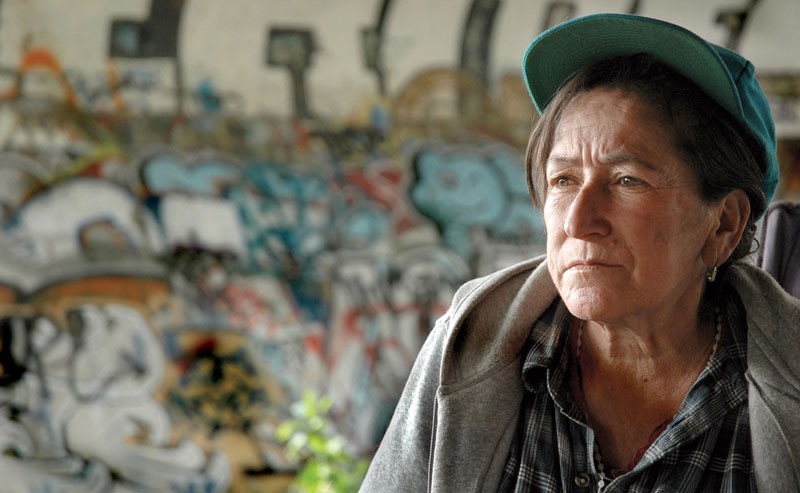
Approximately 47,000 people in L.A. County are without a home on any given night, including unaccompanied minors, veterans and people with disabilities. The Torah commands us to help the strangers, the orphans and the widows among us. This country was founded on the promise of shelter for the tired, poor, huddled masses who have nowhere else to turn. Measure H lends a hand to the politically powerless, bringing them out of the wilderness and exclusion of the streets and back into the fold of our communities. Those who are homeless deserve the same opportunity to become productive members of our society that we all enjoy, with basic rights such as safety and a roof over their heads.
Likewise, we are compelled to oppose Measure S, which, according to an economic analysis by Beacon Economics prepared for the Coalition to Protect L.A. Neighborhoods and Jobs, will undermine efforts to build affordable housing, exacerbate homelessness, threaten diversity and eliminate thousands of jobs along the way. Measure S would cost L.A. residents $70 million in fiscal revenue, $10.6 million in increased rent, $640 million in lost wages and 12,000 lost jobs per year, totaling $1.9 billion in lost economic output for every year that it is in effect. In short, Measure S would devastate our economy.
Proponents of Measure S, a land-use reform initiative that would restrain dense development, argue that the measure reduces corruption in the city-planning process. It does not do so. They allege it preserves “neighborhood integrity” by limiting development. But what is “neighborhood integrity”? Measure S preserves economic and racial segregation, prevents construction of affordable housing and ensures low-income constituents remain stuck in overcrowded, substandard housing they cannot afford. Access to neighborhoods with green parks, good schools and decent housing should not be limited to the affluent. L.A.’s economy would collapse were it not for the tireless labor of low-wage workers. For all they give to our city, this population deserves better.
Additionally, population has soared over the past two decades, and much of L.A.’s housing is old and crumbling. The city’s zoning code has, in large part, not been updated since its adoption in the 1940s, making many new buildings unfeasible. While many of the city’s new developments are indeed too expensive, 65 percent of Los Angeles voters approved Measure JJJ last November, which ensures that affordable units for low-income people are included and maintained in new developments. Measure S would thwart the will of L.A. voters by effectively killing Measure JJJ.
We believe that diversity makes our city stronger. If we truly care about the widow, the orphan and the poor, and if we truly care as much about racial and economic justice as we have been broadcasting to the world since November, then we must vote “yes” on H and “no” on S.
Rabbi Sarah Bassin
Rabbi Haim Beliak
Rabbi Sharon Brous
Rabbi Ken Chasen
Rabbi Aryeh Cohen
Rabbi Neil Comess-Daniels
Rabbi Anthony Elman
Rabbi Noah Zvi Farkas
Rabbi Miriyam Glazer
Rabbi Susan Goldberg
Rabbi Jonathan Klein
Rabbi Robin Podolsky
Rabbi Laurence Scheindlin
Rabbi Ahud Sela
Rabbi David Wolpe