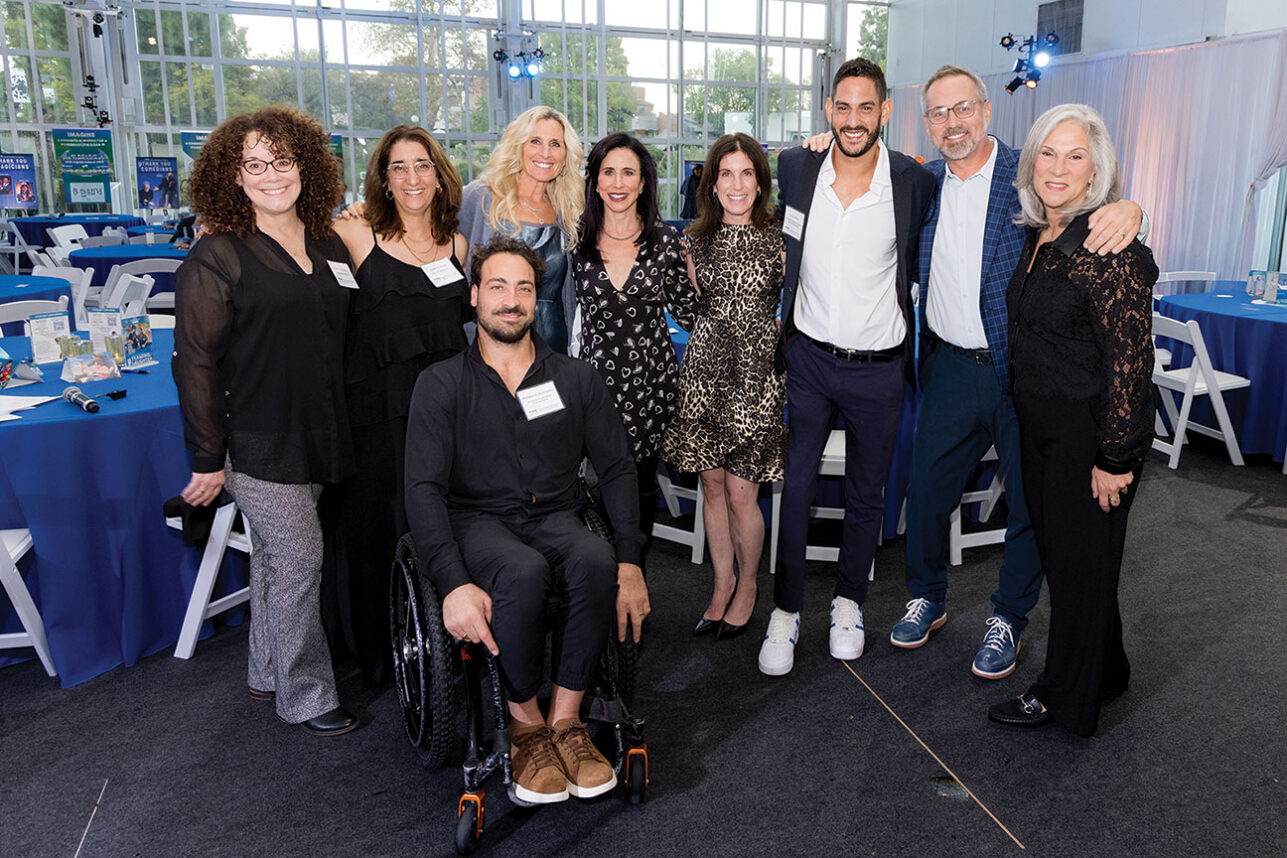
Analysing Jewish Europe Today – perspectives from a new generation conference took place in Berlin in October 2013. The conference, coorganized by AJC Berlin and JDC – ICCD, gathered around 40 young researchers from Europe, both Jewish and non-Jewish. I was able to take part in this conference thanks to a ROI-Micro Grant. Being able to spend the weekend with people more or less my age but from a definitely different backgournd was very eye-opening. On the other hand, at some point I was very disappointed. But let’s start from the beginning.
The goal of the conference was: ‘to analyse contemporary Jewish life in Europe from the point of view of the younger generation. Since the collapse of communism and the re-emergence of Jewish life in Central and Eastern Europe, a renovated view of European Jewry has arisen.’ Thanks to many reaserchers I was able to learn a lot about Jewish contemporary life in Germany, the UK, the Netherlands and much more. Interfaith and intermarrieges realations were also one of the biggest topics raised during the conference.
The after hours conversations, that lasted till early mornings, brought a lot of an insider view to differnet communities. While listening to stories coming from well established Jewish communities and those which are in developing stage, I finally realized how much I appreciate my own, Jewish community. From my point of view the polish Jewish community is somewhere in between the developing proces and already an established community. We still have a long way to go, but we are here. Only now I could see how open, welcoming and friendly community we have. Comparing to the one in Germany, that seems more of a closed and very insecure, community. Being able to see that from a different perspective and through eyes of people coming from different experience, was really refreshing.
This conference and the network it has created was another energy boost that everyone needs from time to time. I got back home with a renewed energy to work even harder. But why and where the disappointement came from? I have listened to an outcome of a research on a polish Jewish community and its informal education for the youngest generation. The foundings were pretty surprising for me, as I do know a lot about the polish Jewish community, being an active member for a couple of years and now being employed there. So, I have heard that the Sunday schools are closing down because of a decreasing number of students, lower educational level and lack of interest in Jewish life. Why was I surprised?
As far as I know, and as I mentioned above, I am a well informed insider, the number of kids attending Sunday schools over the last two years increased by at least 50% in the cities with the biggest Jewish communities, there is more and more people who want to know more about Jewish culture and Judaism, thus in Poland you can find more and more Jewish departments at different universities. Not even mentioning the summer and winter camps organized by JDC in Poland, increasing number of polish participants on Taglit trips, or a MiNYanim seminar or even Limud, which in fact is the biggest gathering of polish Jewery for the last 6 years.
Why did the reaserch differ so much from the reality? It was carried out 4-5 years ago and wasn’t consulted with members of the polish Jewish community. I believe if you want to make a valuable research you are obliged to ‘get inside’ the community, talk to its members, see the educational and cultural offer very thoroughly in order to present the true picture of a minortity group causing no harm for their members and their perception all over the world. I am very glad I could be the voice of a polish Jewish community, which is not as big as it used to be 75 years ago, but definitely is not vanishing! Thank you ROI for making this happen!