fbpx

David Kertzer wins Pulitzer for biography detailing Pius XI-Mussolini ties

Historian David Kertzer won a Pulitzer Prize for his biography detailing how Benito Mussolini’s secret relationship with Pope Pius XI influenced the Italian dictator’s persecution of his country’s Jews.
[additional-authors]
April 21, 2015

Historian David Kertzer won a Pulitzer Prize for his biography detailing how Benito Mussolini’s secret relationship with Pope Pius XI influenced the Italian dictator’s persecution of his country’s Jews.

Kertzer, a professor of anthropology and Italian studies at Brown University, was recognized in the biography-autobiography category for “The Pope and Mussolini: The Secret History of Pius XI and the Rise of Fascism in Europe.”

Also recognized, for fiction, was Anthony Doerr for another book on World War II, “All the Light We Cannot See,” a complexly woven and emotionally powerful novel set in occupied France and Nazi Germany.

The prestigious journalism and literature awards were announced on Monday.

Kertzer based his book on research into papal documents from the inter-war years released by Pope John Paul II and other material.

The Pulitzer committee called it “an engrossing dual biography that uses recently opened Vatican archives to shed light on two men who exercised nearly absolute power over their realms.”

Kertzer told The Brown Daily Herald, “The ‘eye-opening’ revelation constitutes a concrete example of Pius XI provoking state-sanctioned anti-Semitism in the years leading up to and during World War II.”

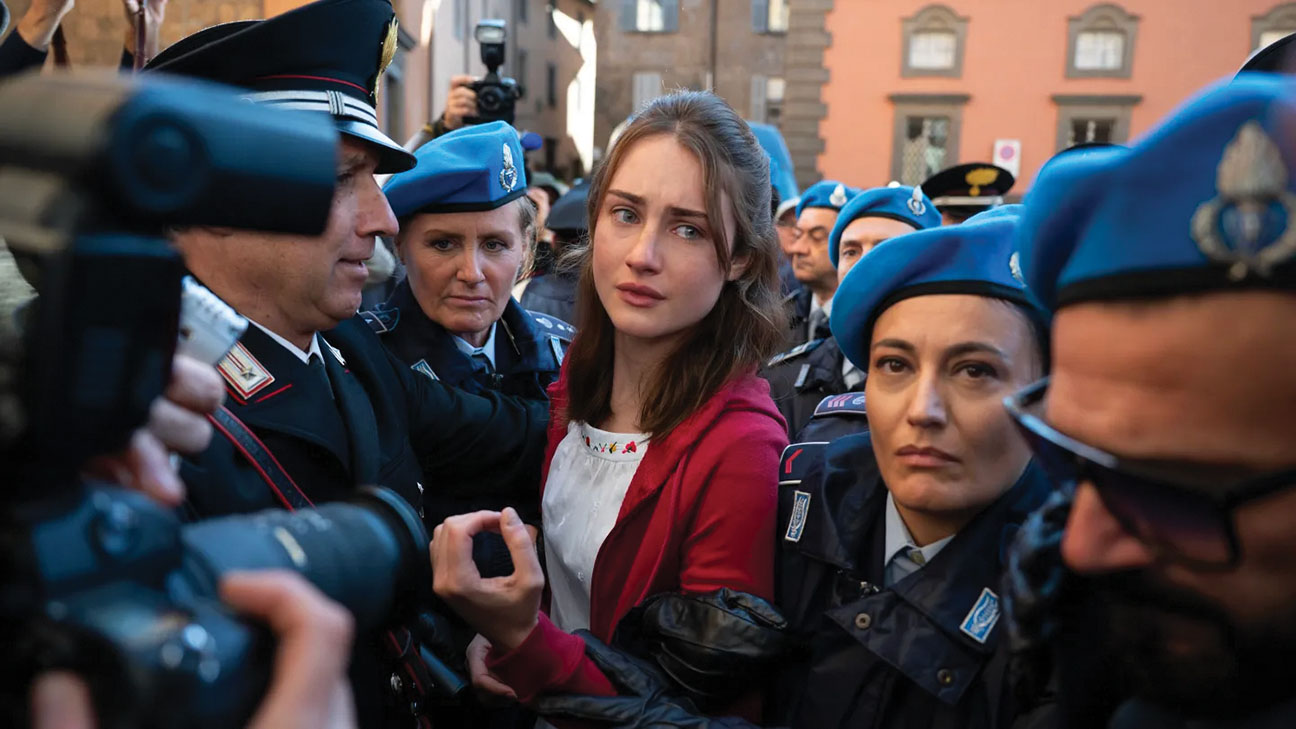
Kertzer’s 1997 nonfiction book, “The Kidnapping of Edgardo Mortara,” won the National Jewish Book Award and was a finalist for the National Book Award. It is being made into a film by Steven Spielberg based on a script by Tony Kushner.


Did you enjoy this article?
You'll love our roundtable.

Editor's Picks

Latest Articles

A Bisl Torah — A Rededication

Just as the flames of the Hannukah candles dance with courage, persistence, and defiance, our spirits desire and deserve the same attention and reigniting.

Are We Dying of a Broken Heart?

Whatever the future holds, we must remember, especially during Hanukkah, that miracles are part and parcel of our history—and will continue to be. We cannot let our sadness overwhelm us.

Of Doughnuts and Dreidels

This week Rachel and I are thrilled to share our column with our friend Rinat to tell us about a unique Hanukkah tradition involving women. 

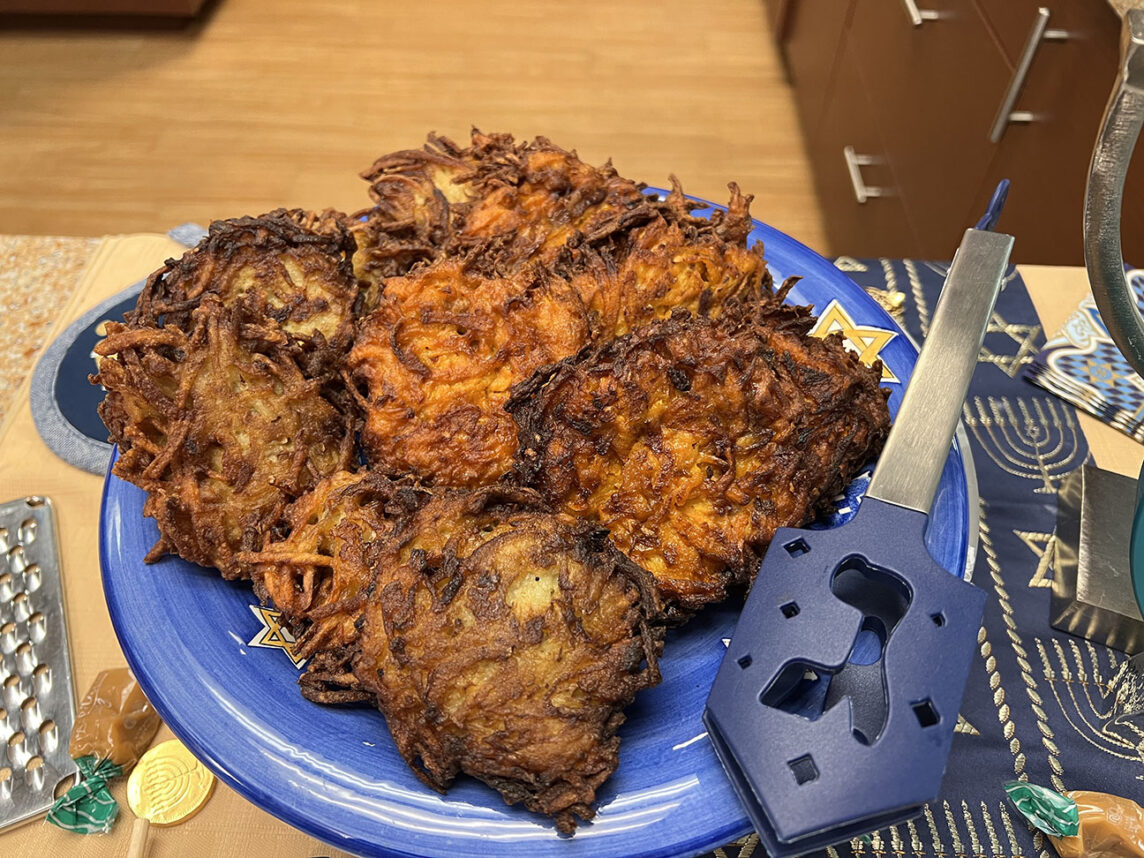
Not Your Bubbe’s Latkes

Whether you switch up your latke ingredients, toppings or both, you can have lots of oily goodness without getting bored.

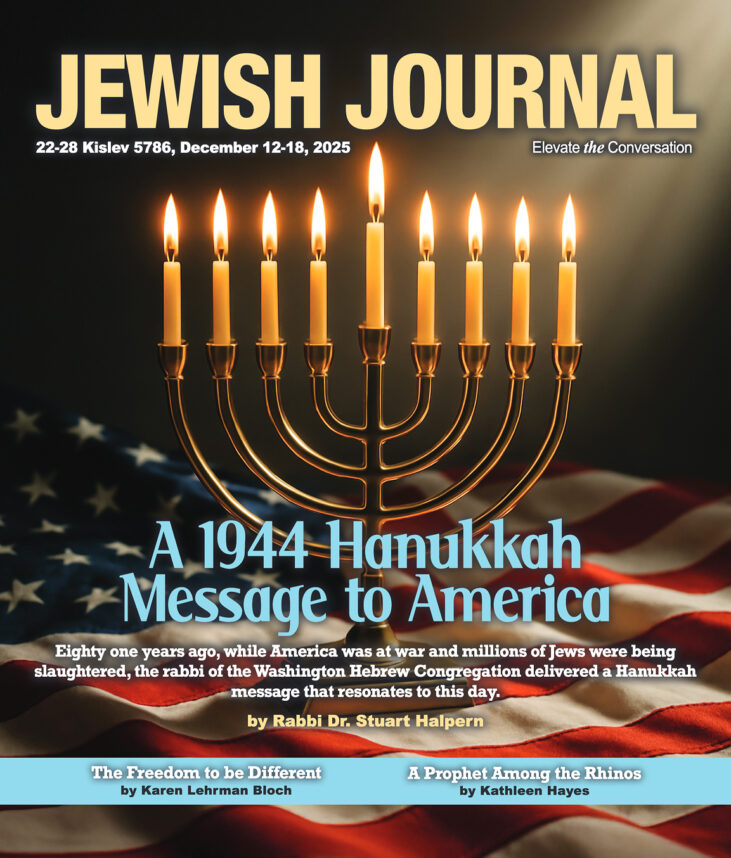
A 1944 Hanukkah Message to America

Eighty-one years ago, while America was at war and millions of Jews were being slaughtered, the rabbi of the Washington Hebrew Congregation delivered a Hanukkah message that resonates to this day.

Rosner’s Domain | The Psychology of Accepting Reality

Israelis expected the war would end when Hamas is eradicated. They now have to face a different reality. After two years of blood, sweat and many tears, the enemy is still out there, lurking in the dark, waiting to fight another day.

A Prophet among the Rhinos

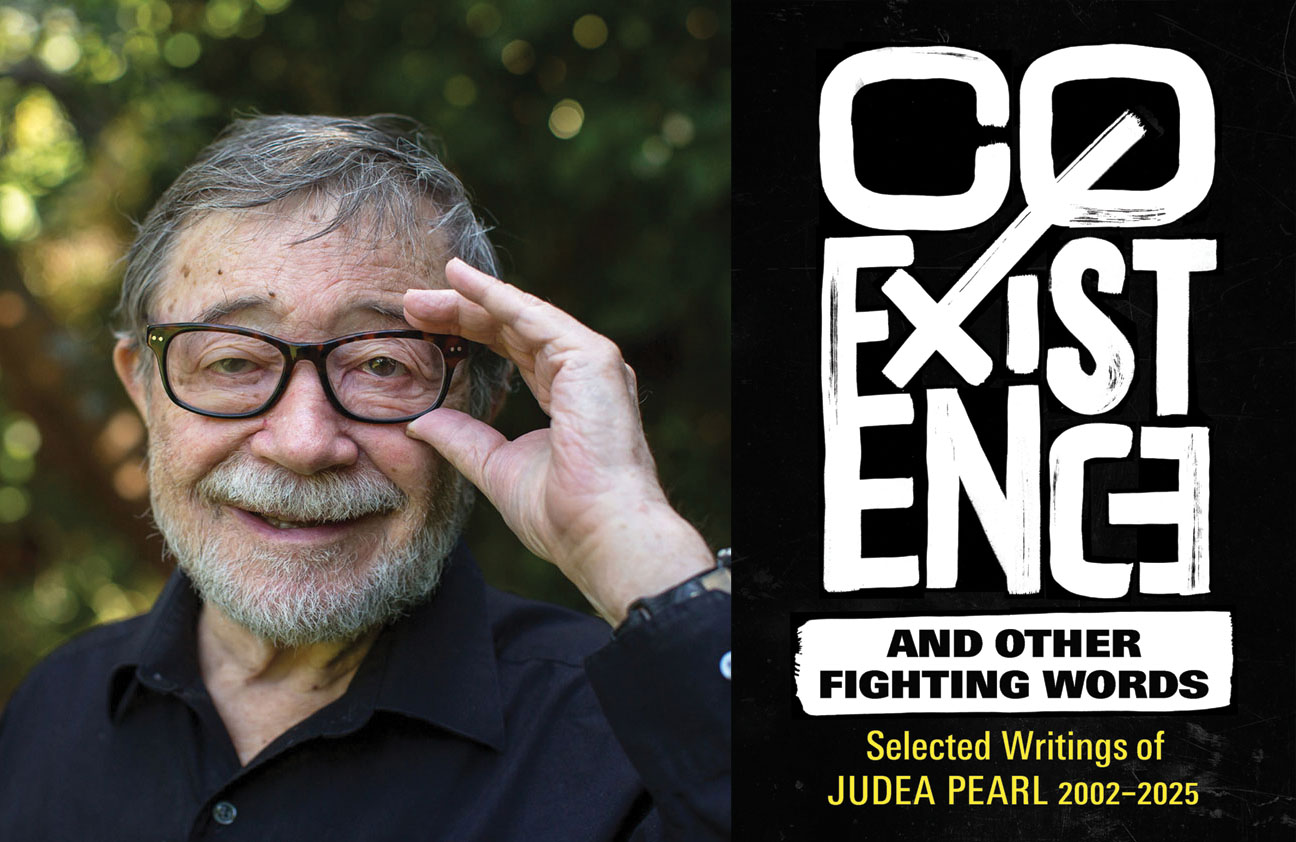
In this selection of essays, op-eds and speeches, the first piece written six months after his son’s murder, Pearl gives us words that are, yes, sometimes heartbreaking, but also funny, profound, scrappy, informative and strikingly prescient.

As We Wrestle

My hope is that we, too, embrace the kind of wrestling that leads to blessing.

More news and opinions than at a Shabbat dinner, right in your inbox.