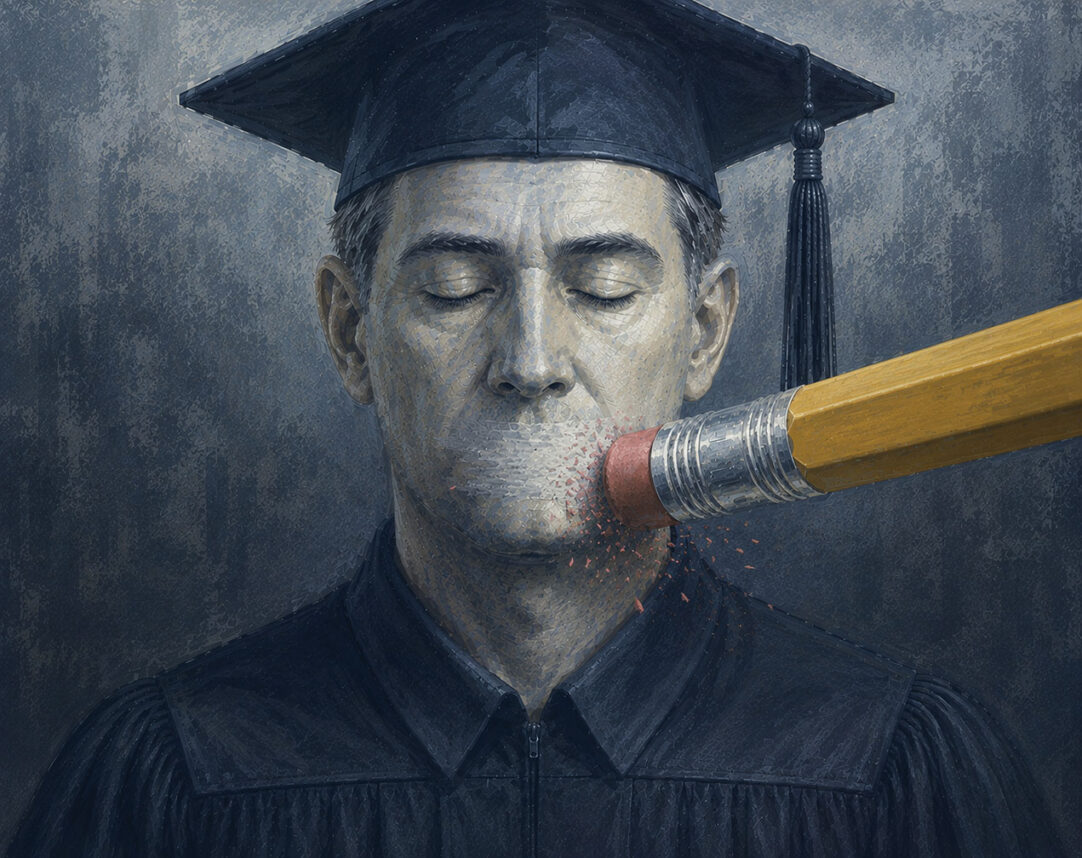

When I first held the rediscovered manuscript of “Paradise Cove” in my hands, it felt as though I was touching a message in a bottle—one that had drifted silently through half a century of oblivion before washing up at my feet. Two surviving copies. That’s all. A book completed in 1978, soon forgotten, and then almost lost forever.
And yet here it is—finally!—revived, restored, and ready to be read. I never imagined I would be the one to publish it. And I certainly never imagined the emotional complexity that would come with bringing it back to life.
Ever since I first uncovered and revealed the extraordinary story of the Yabloner Rebbe in 2018, I have lived, in a sense, in the shadow of Rabbi Yechezkel Taub of Yablona and Kfar Hasidim—the man who became “George T. Nagel,” and reinvented himself as a residential real estate contractor in Los Angeles and later as a volunteer at “Paradise Cove,” a psychiatric residential facility in Northridge, California.
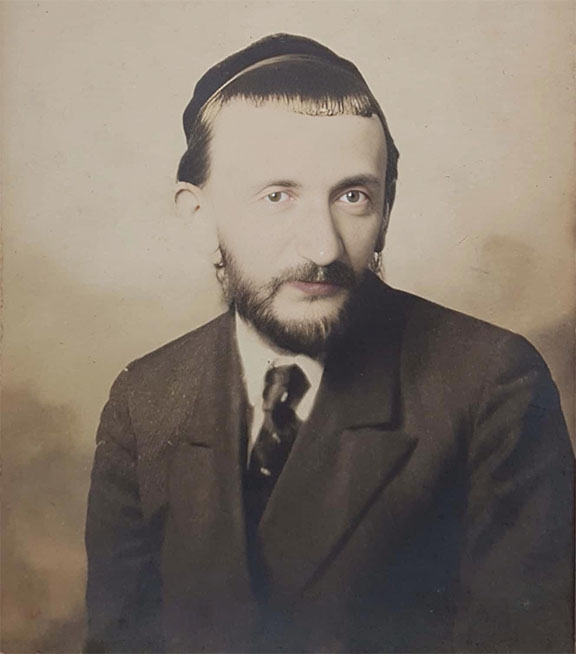
The full arc of his life—from Hasidic prince to visionary founder of a pioneering settlement in pre-state Israel, to disillusioned wanderer, to forgotten recluse, and ultimately to his astonishing spiritual return—has inspired thousands. And I was fortunate enough to be the instrument through which his story finally reached the world.
Over the years, I’ve received hundreds of messages from rabbis who shaped High Holiday sermons around his life, counselors who shared his journey around summer camp campfires, teachers who used it to uplift students searching for meaning or resilience. His story has touched hearts across the Jewish world. And knowing that my efforts played a role in bringing that story to light has made the entire undertaking profoundly meaningful.
But this book—his own voice, unfiltered, written during what he thought was the final chapter of his life—adds a layer none of us were prepared for.
“Paradise Cove” is not an easy read. It is raw. It is incredibly honest. And at times, it is jarring. George, as he then called himself, writes with biting irony about being a “good Christian.” He attends Christmas parties. He joins Jewish gatherings, but with zero sense of religious obligation. He drives on Shabbat without hesitation and describes it casually, the way one might mention going to the store.
There is no hint of the luminous Hasidic leader he once was, no indication that this man had once stood at the center of a spiritual movement so powerful that hundreds of wide-eyed devotees followed him to a primitive backwater to build a utopian settlement in the Promised Land.
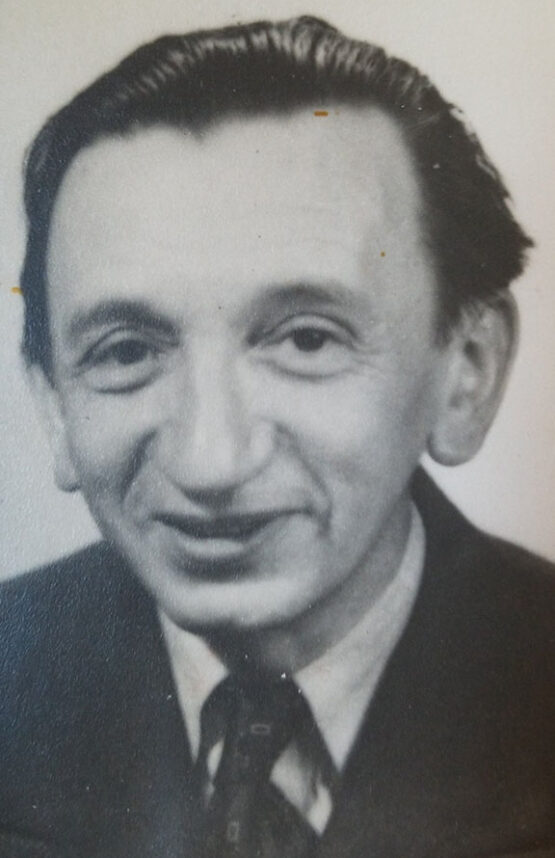
To be clear: we are not dealing with a formerly Orthodox Jew who drifted away from observance. We are dealing with someone who once carried the hopes of an entire religious community on his shoulders—someone who inspired devotion, sacrifice, and messianic yearning—and who then collapsed spectacularly under the weight of disappointment, guilt, grief, and self-doubt.
And now we meet him in the most incongruous setting imaginable: a psychiatric residential facility filled with eccentric patients and mundane routines, where he records petty squabbles, banal staff meetings, and the quiet desperation of people in pain.
The contrast is almost unbearable. A man who once embodied spiritual grandeur is suddenly navigating the trivialities of institutional life. The comedown is literally dizzying.
And yet—and this is the secret that only we, the readers of this resurrected work, possess—we know who he really is.
None of the people around him knew. Not the residents. Not the staff. Not his neighbors. No one. To them, he was just plain old “George.” But as we read, we catch hints—subtle turns of phrase, wry observations, the occasional inside joke, and above all a way of describing human nature that could only come from someone steeped in the deepest currents of Jewish mystical and ethical thought. We sense something noble beneath the surface. And that is what makes the book so haunting.
We have the privilege—and the burden—of knowing the whole story. We know that this chapter is not the end. We know that just a couple of years later, George would reclaim his identity and once again be acknowledged as the Yabloner Rebbe. We know he returned to observance, to teaching, to spiritual influence. We know he came home—not just geographically, but spiritually and emotionally.
And that knowledge turns every page into an exercise in poignancy. Because even as we read his self-mockery, hear his pain, and follow his mundane interactions, we can sense the faint heartbeat of a holy soul struggling to reawaken. We watch George Nagel moving through a world that has no idea how to value him, and all the while we know there is a light waiting at the end of his tunnel—when George Nagel will finally be seen as the Yabloner Rebbe he always was.
Which is why publishing “Paradise Cove” now, almost fifty years after was prepared for publication, feels almost like participating in a resurrection. The book was long gone. The man who wrote it is long gone. But suddenly, thanks to two fragile surviving copies, George Nagel’s voice is back. And it is speaking to us—not as a Rebbe, not as a spiritual hero, but as a lost soul who had not yet found his way home.
In a sense, this book completes the story that so many people have found inspiring. I have often related the Yabloner Rebbe’s saga as a tale of dramatic highs and lows, of heroic efforts and heartbreaking failures, of exile and return.
But “Paradise Cove” gives us something we never had before: the inner monologue of the exile. The voice of the man before he returned. Not the charismatic pioneer, not the tragic failure, not the returning hero—just George. Confused, dislocated, ordinary George. And therefore deeply, profoundly human.
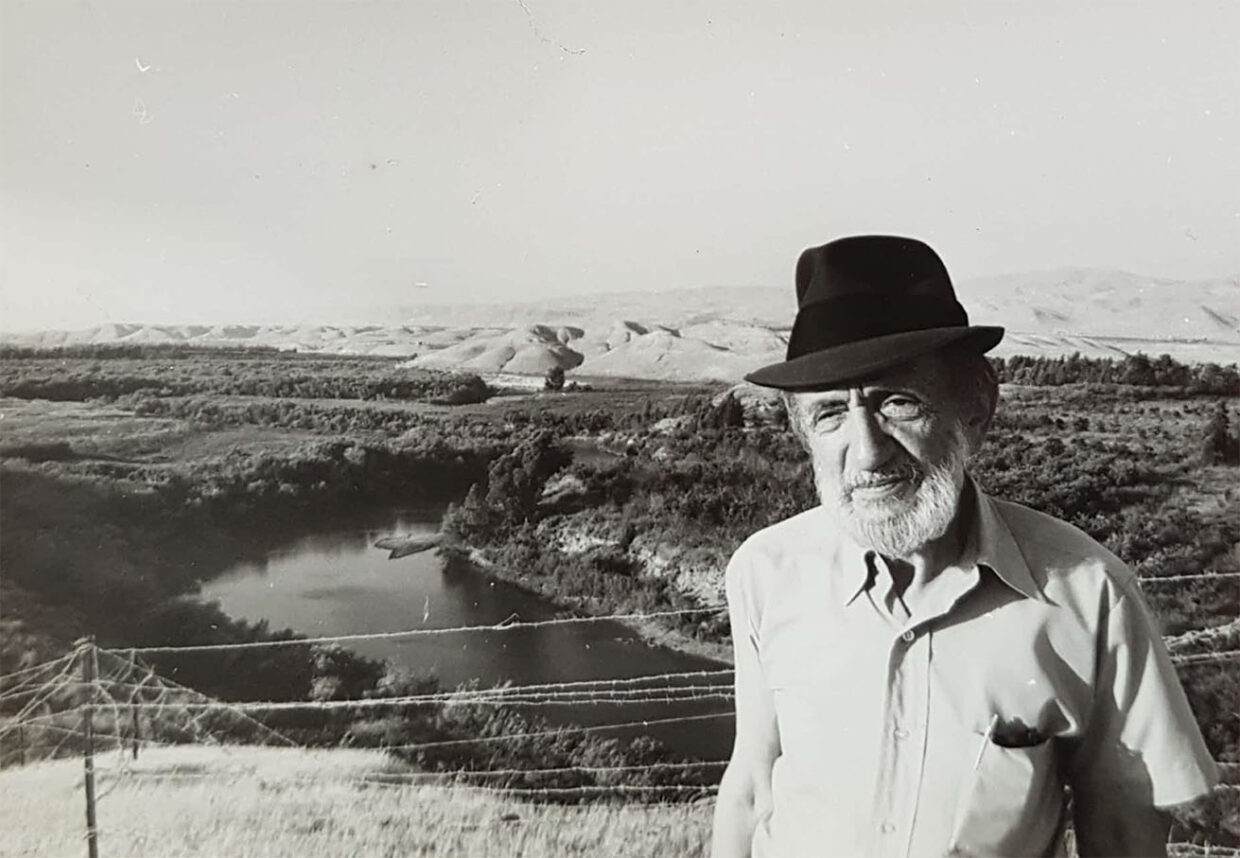
And that, perhaps, is why its rediscovery matters so much. This book reminds us that no soul is ever truly lost. That even someone who has wandered far from their origins—so far that they no longer recognize themselves—still carries a spark that can be reignited. That brokenness is part of the journey, not the end of it. And that sometimes the most meaningful inspiration comes not from moments of great triumph, but from the moments of day-to-day struggles, when any future redemption is invisible to everyone except God.
“Paradise Cove” is more than a memoir. It is a time capsule, a confession, a quiet cry for meaning from a man who once changed the world and would, in an unexpected way, change it again. Publishing it now is both a privilege and a responsibility. And for me, personally, it is a reminder that stories—especially Jewish stories—never truly end. They pause. They wait. And then, when the moment is right, they speak again.
This is that moment.
“Paradise Cove: They Escaped the Cuckoo’s Nest“—written by George T. Nagel and edited by Rabbi Pini Dunner—will be published by Manhattan Book Group on January 5, 2026, and is now available for pre-order in multiple formats on Amazon and other online retailers.
Rabbi Pini Dunner is the senior spiritual leader at Beverly Hills Synagogue, a member of the Young Israel family of synagogues.