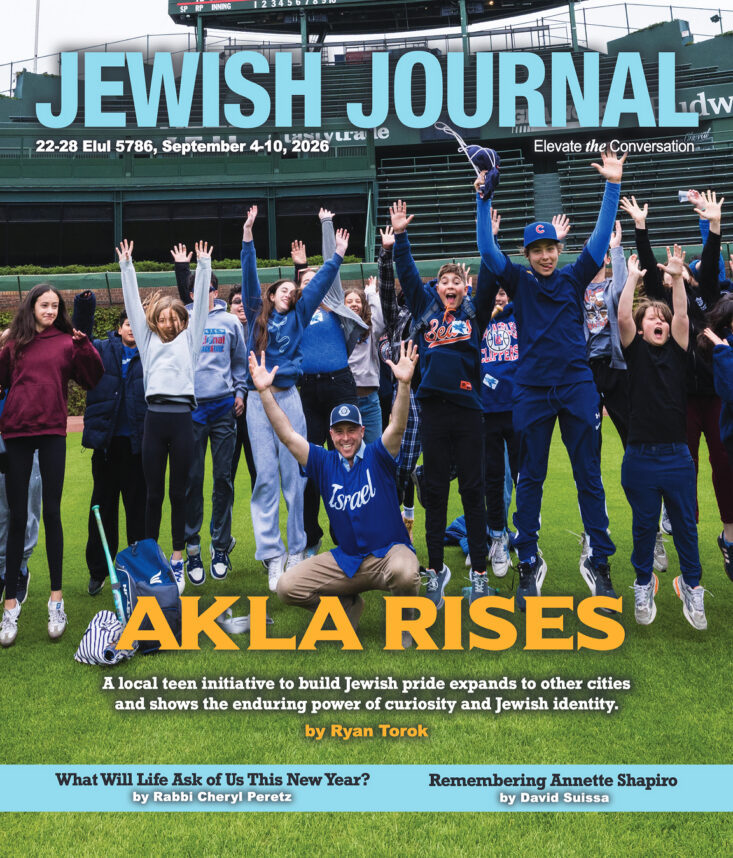
One of the toughest parts of this job is choosing what to put on the cover. For Rosh Hashanah, it’s that much tougher. It’s been a chaotic, crazy year. I can only imagine how difficult it must be for American rabbis to craft sermons that will inspire without appearing to ignore the craziness of this year. And yes, I’m thinking of the elephant in the room — that man in the White House who has dominated the consciousness of a nation and made us as divided as ever.
For our cover theme, then, my first instinct was kumbaya — something on healing our community, remembering all we have in common, disagreeing without being disagreeable, and so on. But I quickly ditched that. For readers who are enraged with the direction of the country, this is no time for kumbaya. There is work to be done — injustices to fight, midterm elections to win.
And yet, I was loath to inject politics on our Rosh Hahanah cover; it’s simply too incendiary and divisive. We have all year to fight and argue. Rosh Hashanah ought to be a time to pull back and reflect.
But reflect on what?
The answer came from a contributing writer at our weekly editorial meeting. Esther D. Kustanowitz was speaking about the organization 10Q, which was created by network members at Reboot, which has been described as “an organization that encourages people to reimagine Jewish traditions and make them their own.”
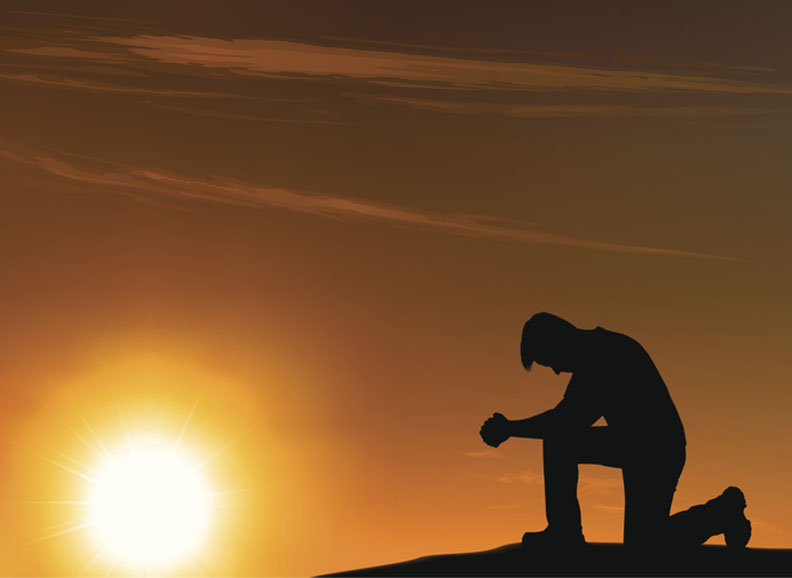
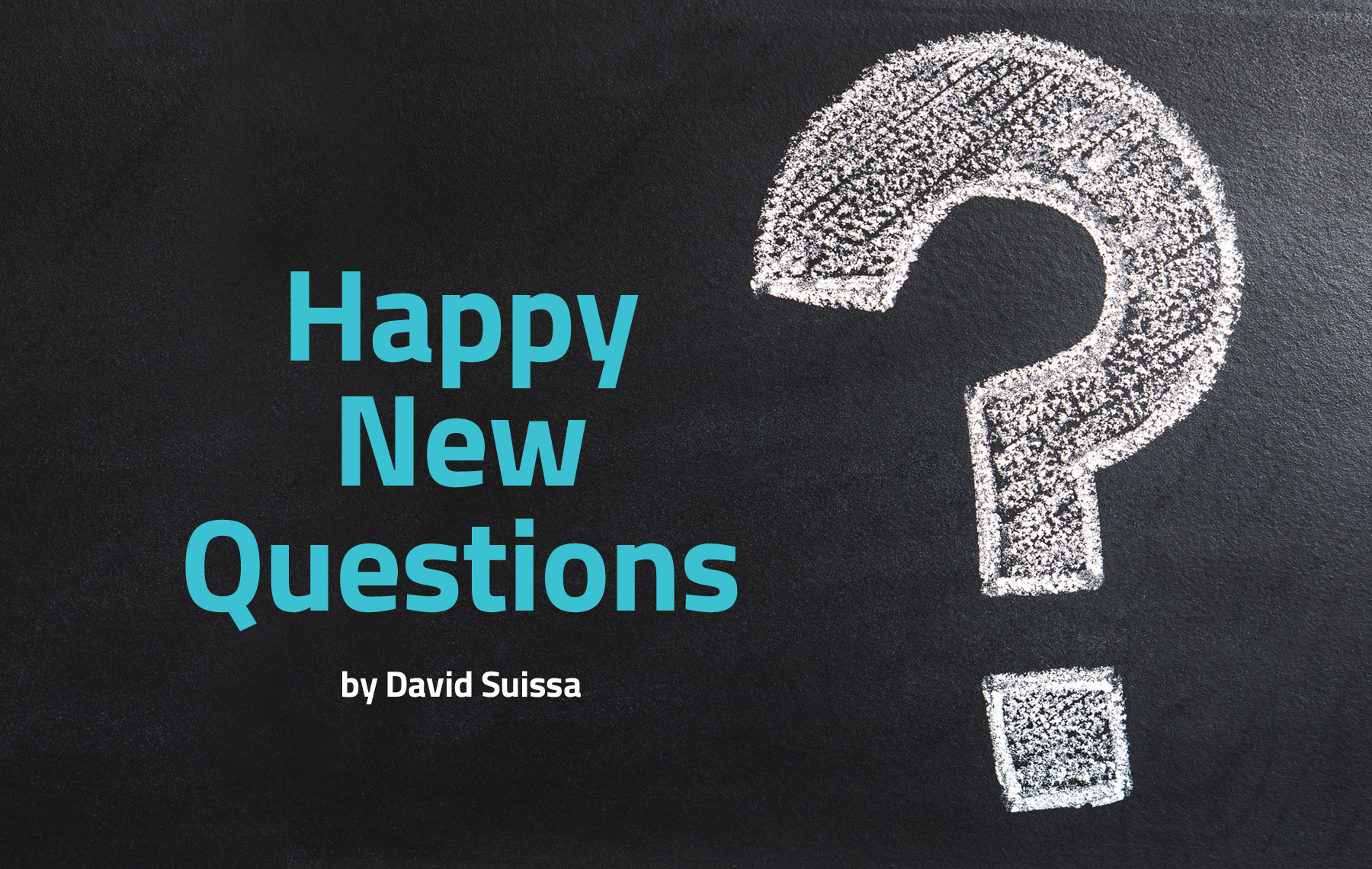
What caught my attention was the idea of using this time of year not to look for answers, but to search for questions — the kind of questions that can help us grow. I wondered: Why not make that our Rosh Hashanah theme this year? God knows the art of questioning is a venerable Jewish tradition.
So, we ran with it.
As part of our cover story, Kustanowitz reports on the growth and mission of the 10Q movement, with a focus on the Days of Awe. “Instead of saving repentance for a single day,” she writes, “[10Q] thinks about it in smaller increments, challenged by one question every day between Rosh Hashanah and Yom Kippur, a span known as the Ten Days of Repentance.” Her story delves into the program, interviews people who use it, and suggests questions that can ignite a process of personal and communal growth for the coming year.
What caught my attention was the idea of using this time of year not to look for answers, but to search for questions — the kind of questions that can help us grow.
What especially intrigued me about the theme of questions is that it goes against the mood of the times — when we’re surrounded by answers, whether from media pundits or friends with adamant views. The search for questions, it seems to me, is a lot deeper and more interesting.
In that spirit, I asked my friend Tova Hartman in Jerusalem to write an accompanying story on the same theme, and to pick her own angle.
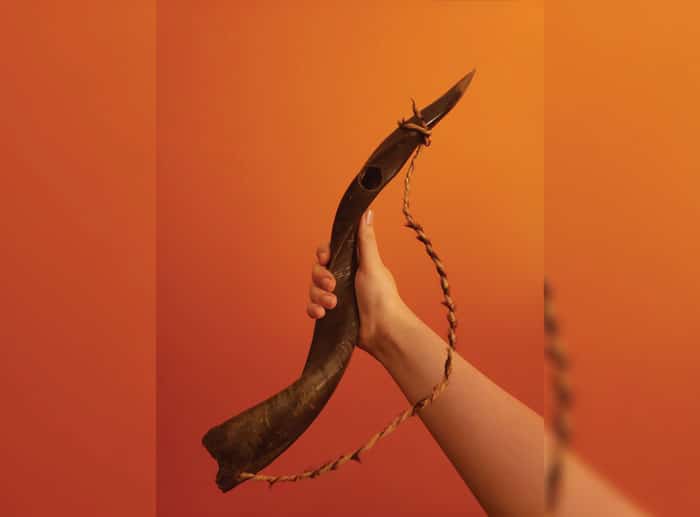
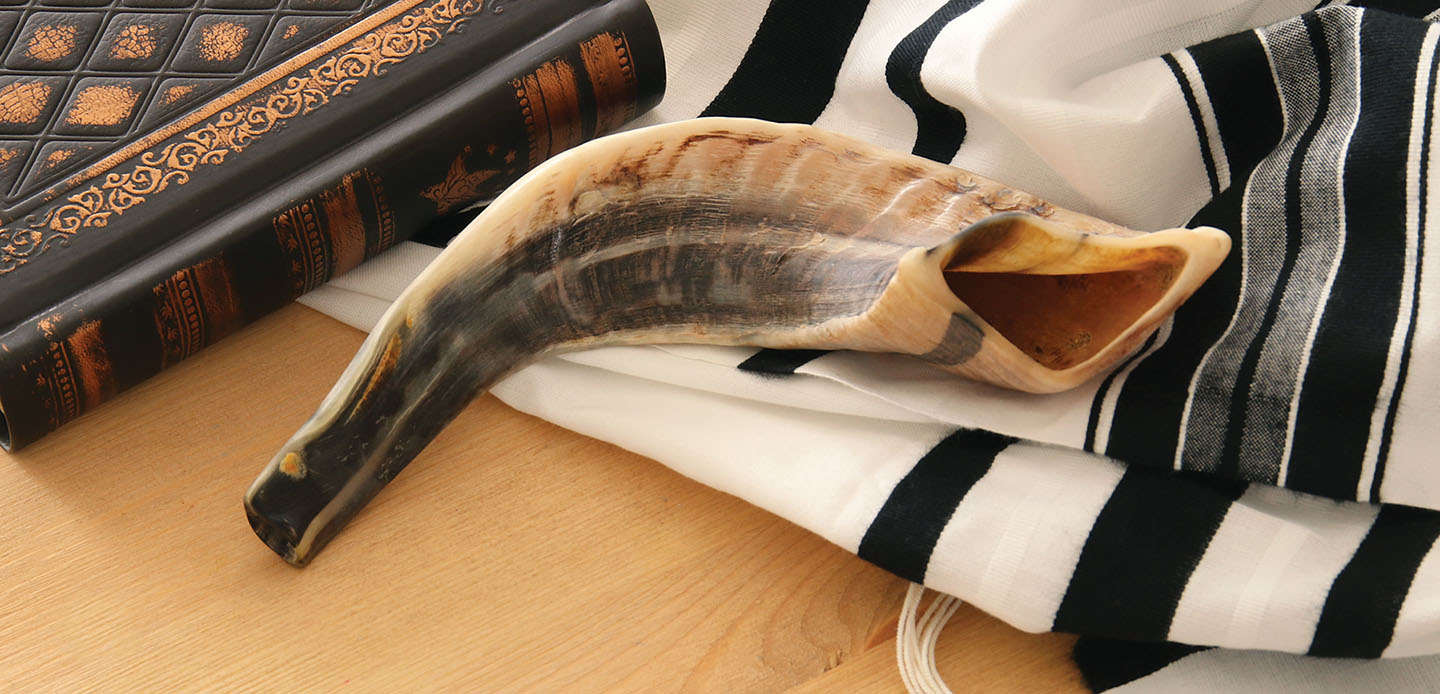
Her piece connects us to the shofar, which, she writes, “snaps us out of our complacency. Amid the scripted words of the mahzor and the traditional melodies of the cantor, amid the comfort of our traditional seats at our traditional time, the shofar shakes us, destabilizes us. We are prodded to ask serious and frank questions about ourselves, our community and our religion.”
She reminds us that asking tough questions often goes against human nature: “Sometimes we stop questioning because we are comfortable with the status quo in our community. Sometimes we are simply apathetic. And sometimes we are afraid that our questions don’t have easy answers. But when we stop questioning, we lose the ability to grow and to change. That’s where Rosh Hashanah comes in.”
It’s a pleasant thought to imagine a community walking around during the Days of Awe with sharp questions on their minds — questions that encourage us to look inward.
Yes, that’s where Rosh Hashanah comes in. In fact, that’s where all Jewish holidays come in. They each offer us a chance to take a break from the ordinary and do things differently. I invite you to read both pieces of our cover story and use the High Holy Days to engage with some fresh questions. Make it your own. I’m making a personal commitment to do the same. I will follow the 10Q idea and see where it takes me.
It’s a pleasant thought to imagine a community walking around during the Days of Awe with sharp questions on their minds — questions that encourage us to look inward, to refine our characters, to improve our relationships, to bring out our better selves. I guess I did a little kumbaya, after all.
Shanah tovah.