fbpx

Rosner’s Torah Talk: Vayakhel-Pekudei with Rabbi Analia Bortz

[additional-authors]
March 19, 2020

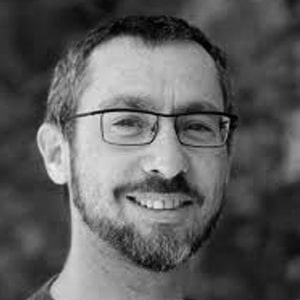
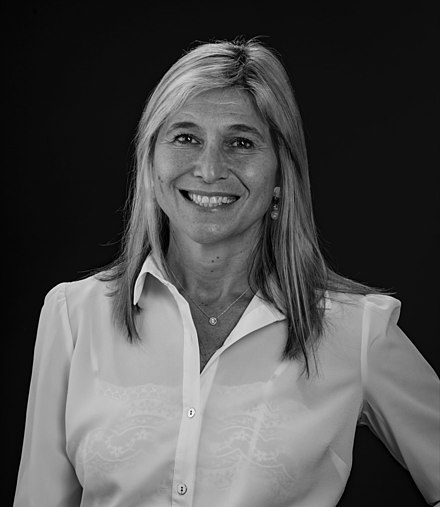
Analia Bortz is a medical doctor with postdoctoral studies in Bioethics. She became the first female Latin American rabbi when she was ordained in Jerusalem at the Seminario Rabinico Latinoamericano in 1994.

We read two parashot this week: The reading of Vayakhel-Pekudei – (Exodus 35:1-40:38) – begins with Moses commanding the people of Israel to observe the Shabbat and continues to tell us in great detail about the building of the Tabernacle. Pekudei, the last reading from Exodus begins with an audit of how the contributions for the Tabernacle (the Mishkan) were used. The portion goes on to describe the completion of the Tabernacle and its assembly and concludes by depicting the glory of the lord entering it.


Previous Torah Talks on this parsha:

Rabbi James Ponet

Rabbi Jaquline Mates-Muchin

Rabbi Dan Orenstein

Rabbi Richard Steinberg

Rabbi David Singer

Rabbi Tom Heyn

Rabbi Elissa Sachs-Kohen


Looking for political analysis\? Listen to Rosner’s Podcast. This week we analyse election data from Israel. My guest is JPPI’s Noah Slepkov.

You can also read my article on US Politics: Don’t Waste Time on the Jews: They’ve Already Decided to Vote for Biden

If you’re bored at home: My book #IsraeliJudaism, Portrait of a Cultural Revolution (with Prof. Camil Fuchs) is available on Amazon.

And check out David Suissa’s new daily Pandemic Times podcast.

 

Did you enjoy this article?
You'll love our roundtable.

Editor's Picks

Latest Articles

Chametz Is More than Crumbs in the Corners of our Homes

Chametz is also something that gathers in the corners of our being, the spiritual chametz that, like the physical particles we gather the night before Passover, can infect, wither, influence and sabotage us as we engage with others.

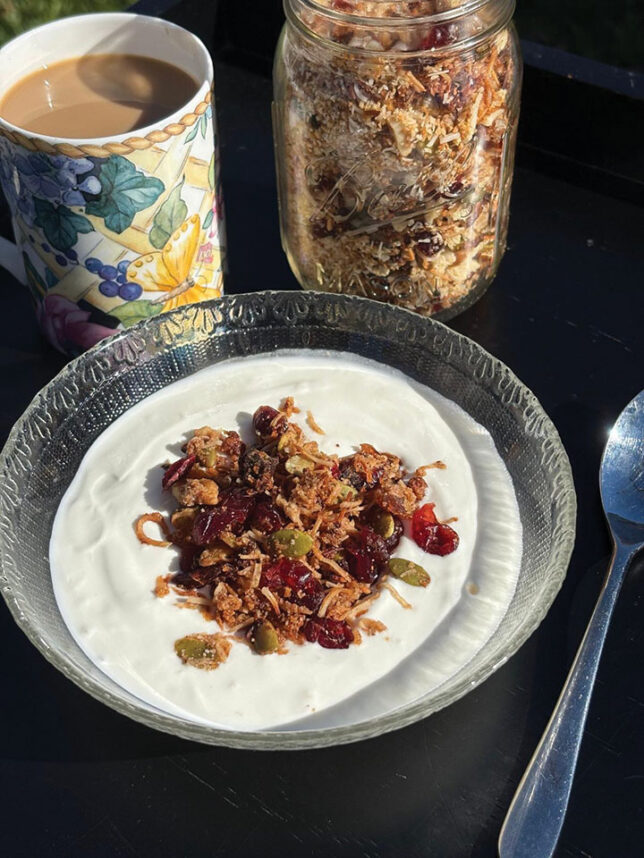
Alpine Flavors—a Crunchy Granola Recipe

Every Passover, I prepare a truly delicious gluten-free granola. I use lots of nuts and seeds (pistachios, walnuts, almonds and pumpkin seeds) and dried fruits (apricots, dates and cranberries).

Pesach Reflections

How does the Exodus story, Judaism’s foundational narrative of freedom, speak to the present? We asked local leaders, including rabbis, educators and podcasters, to weigh in.

Rosner’s Domain | Be Skeptical of Skeptics, Too

Whoever risks a decisive or semi-decisive prediction of the campaign’s end (and there is a long list of such figures on the Israeli side as well as the American side) is not demonstrating wisdom but rather a lack of seriousness.

When We Can No Longer Agree on Who Is Pharaoh

The Seder asks us to remain present to the tension between competing fears and obligations. It does not require choosing one lesson over the other, but rather, it creates space for us to articulate our concerns and listen to the fears and hopes that shape others’ views.

Pesach at War. Leaving Fast, Leaving Slow.

Freedom, it would seem, is erratic; it happens in fits and starts, three steps forward and two steps back. Freedom is a leap into the unknown, driven by a dream. We will figure it out in time.

Making Our Impossible Possible

The holiday of Passover reminds us that we can break from our self-imposed reality and redeem ourselves to achieve the greatness we know we possess.

More news and opinions than at a Shabbat dinner, right in your inbox.