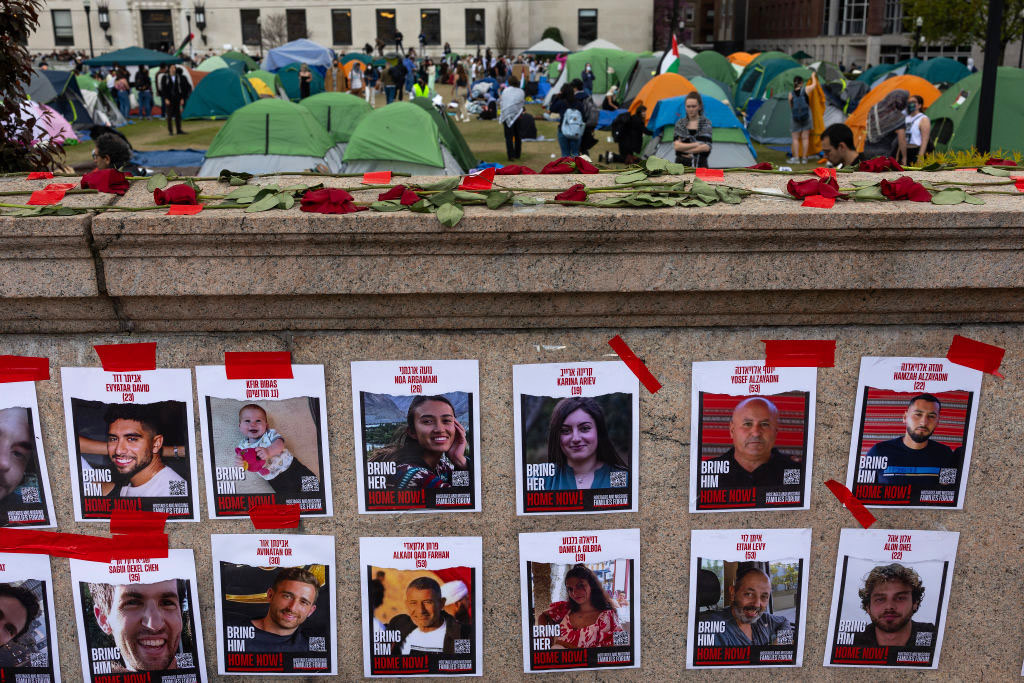







It’s hard to imagine commemorating such a dark event on a day of joy. The cognitive dissonance would be unbearable.

In the last three years, so many heroic people have decided that October 7th will not be the tragic end.

First of two parts
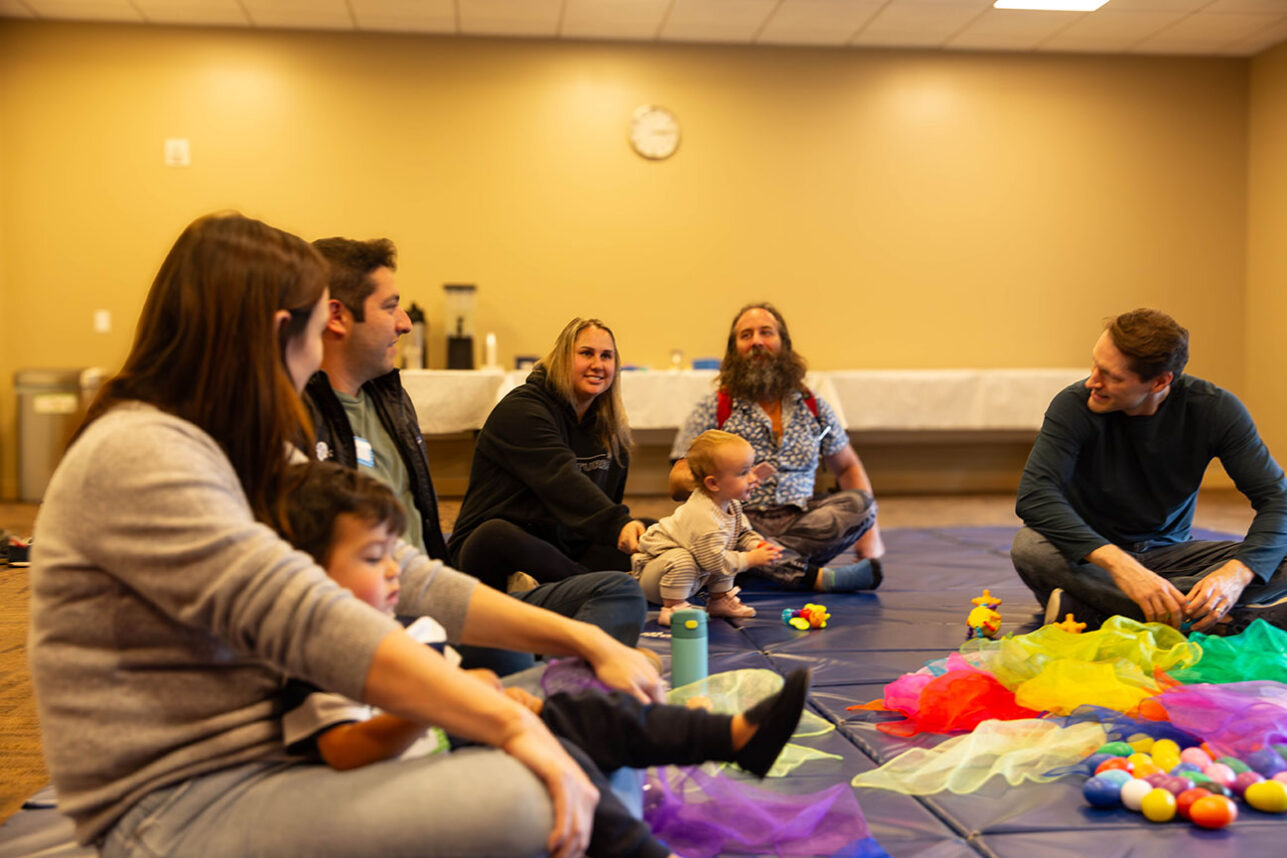
Their goal is to ensure Jewish preschools become community hubs for families, starting in the earliest stages of parenthood.

My son turned eighteen yesterday…

Notable people and events in the Jewish LA community.


Sukkot emphasizes that which we intrinsically know. We go outside and show the world that no matter the environment, we will express our Judaism with pride and joy.

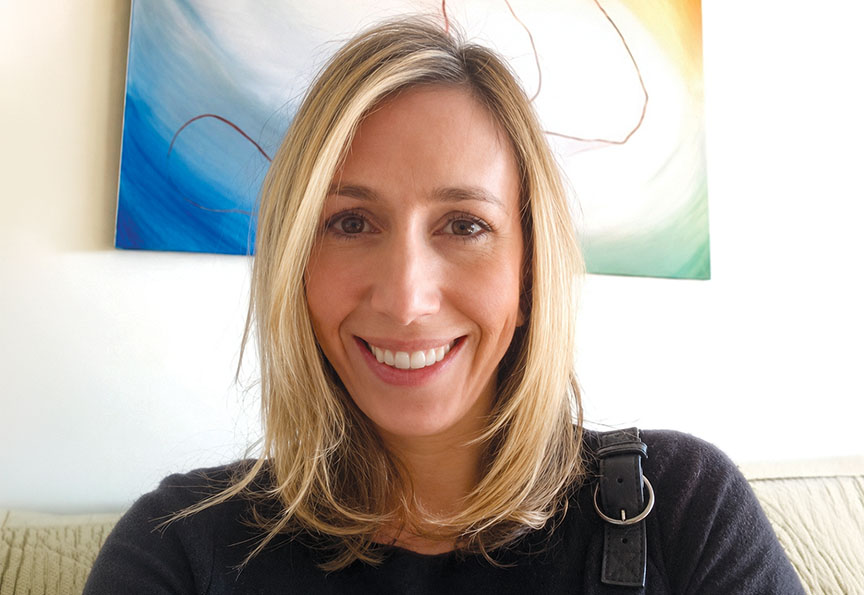
Liat Cohen-Reeis, director of the Antisemitism Task Force at StandWithUs San Diego, has tried to bring local news media’s attention to antisemitic incidents, but has encountered disinterest.
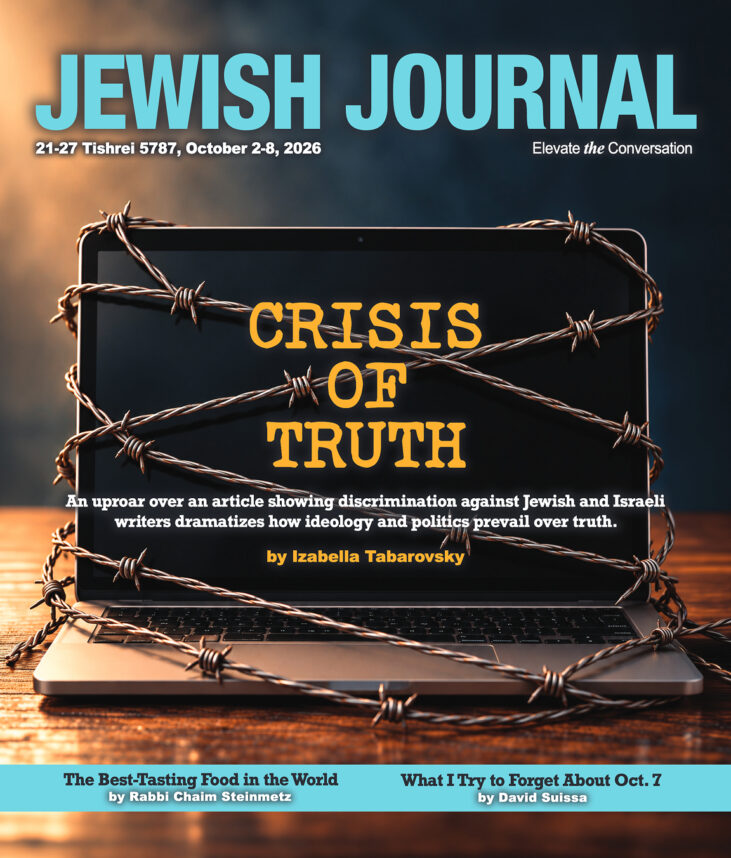
An uproar over an article showing discrimination against Jewish and Israeli writers dramatizes how ideology and politics prevail over truth.

At the shelters, the grooming does more than make the dogs look and smell better.
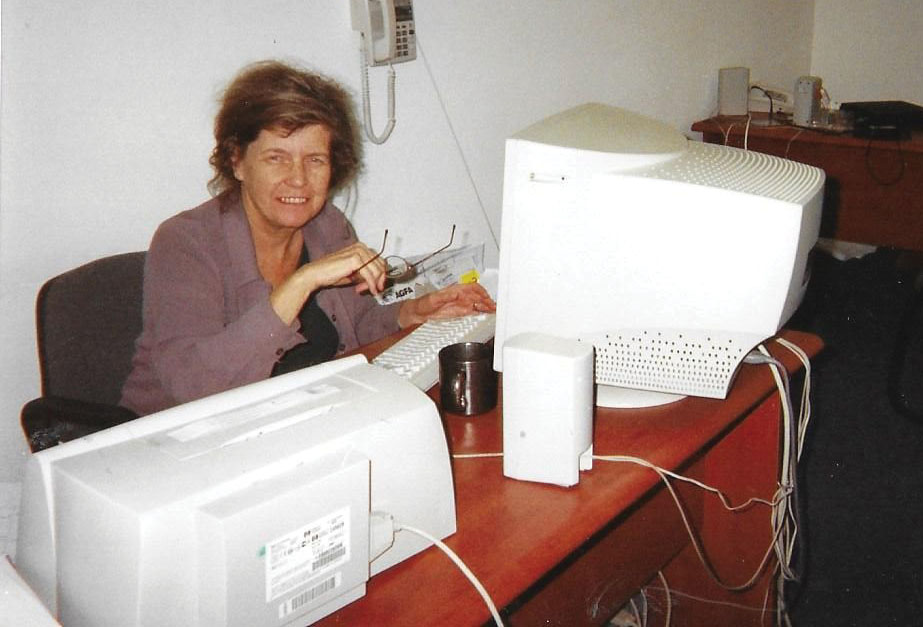
Furstenberg has been an iconic writer and editor in Israeli and American publications for decades, including for the L.A. Jewish Journal, and her death, even at the age of 90, on the eve of Rosh Hashana, deeply moved Jerusalemites who knew her.

Arthur Green, “Can Judaism Be Saved: Its Future After Gaza” (Teaneck, NJ: Ben Yehuda Press, 2025) pp. 139.

The point of all this isn’t to replace the people who keep our institutions running. It’s to give them back the hours they spend being human copy machines, so they can spend those hours on the work only people can do.

This is more than a proposal to construct apartments. It is an invitation to reconsider what a Jewish institution can be.
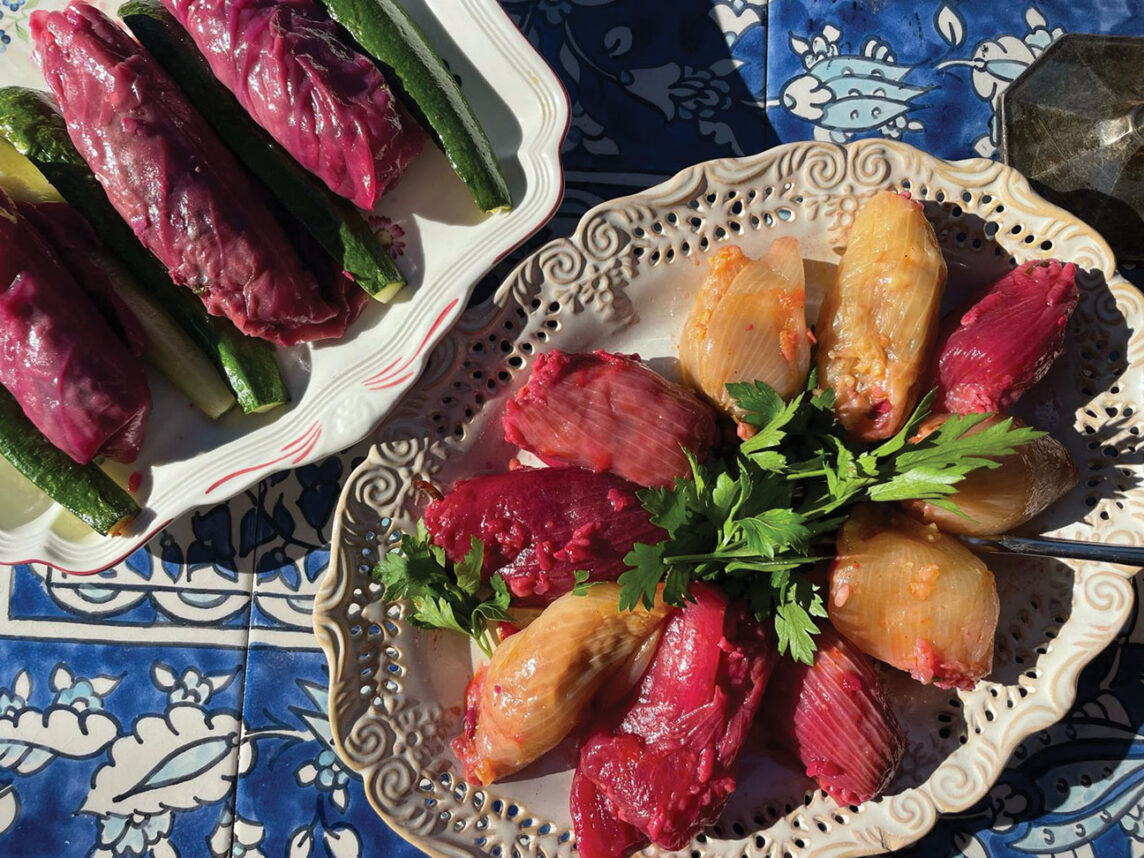
The custom of eating stuffed vegetables on Simchat Torah is to symbolize the scrolls of the Torah filled with the wisdom of the holy text.

Exclusive After-Party

An uproar over an article showing discrimination against Jewish and Israeli writers dramatizes how ideology and politics prevail over truth.
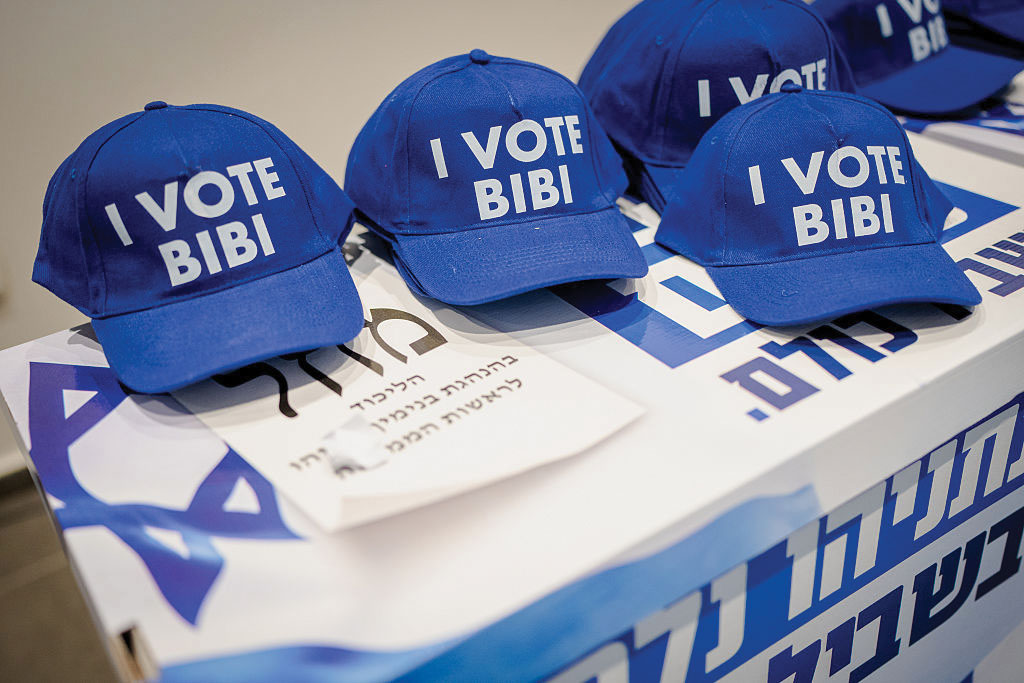
Israelis are an impatient bunch, but their political processes can drag on and on – and on.