fbpx

Rosner’s Torah Talk: Parashat Vayakhel-Pekudei with Rabbi Elissa Sachs-Kohen

[additional-authors]
March 8, 2018

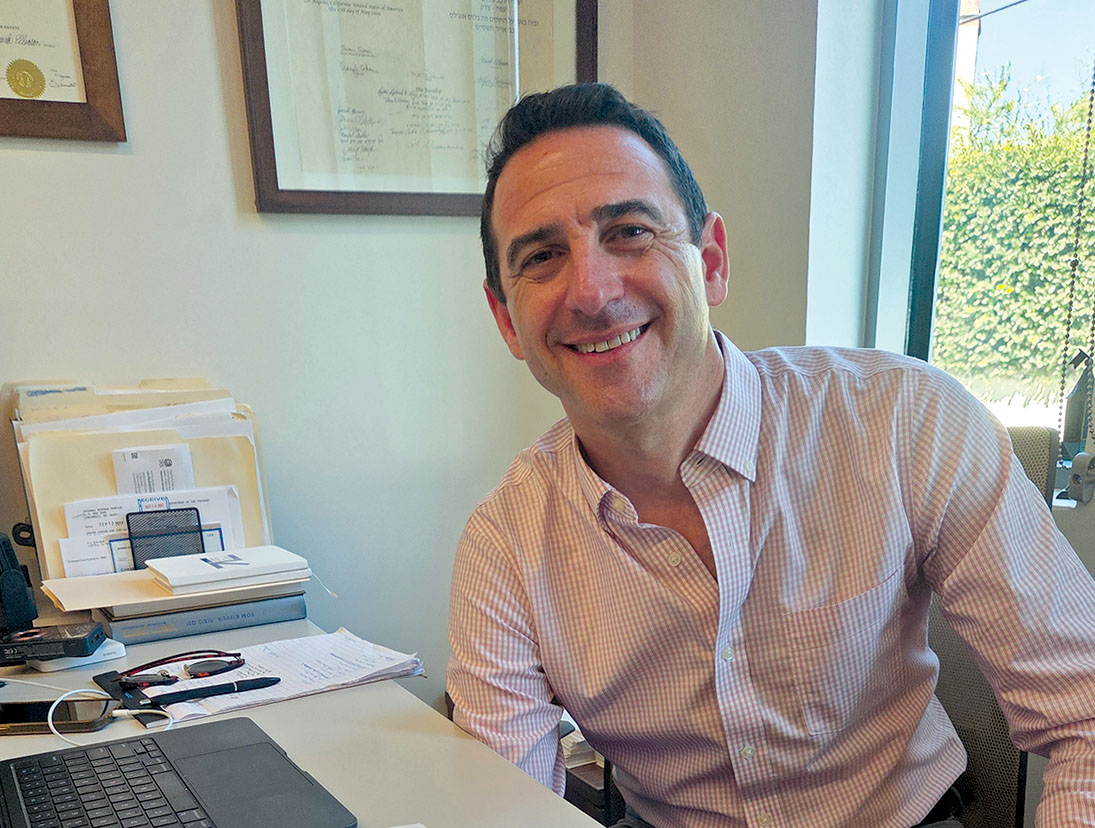
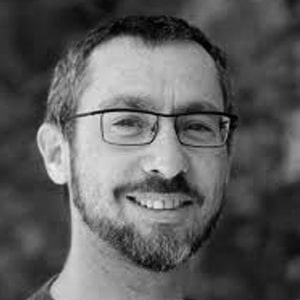
Our guest this week is Rabbi Elissa Sachs-Kohen. Rabbi Sachs-Kohen has served for 14 years as one of the rabbis at Baltimore Hebrew Congregation.  She is the Director of BHC Cares and advises the Social Justice Team, concentrating in recent years on racial justice, immigration, poverty, and environmental issues.

Rabbi Sachs-Kohen annually leads Rosh Hashana Under the Stars at Oregon Ridge Park, Baltimore Hebrew Congregation’s Erev Rosh Hashana service which is free and open to the public. For the past 11 years the service has attracted as many as 6000 participants and has continued to grow.

Before coming to Baltimore, Rabbi Sachs-Kohen served for 5 years at Congregation Beth Israel in West Hartford, CT. She was ordained in 1999 from Hebrew Union College-Jewish Institute of Religion, Cincinnati. She earned her BA in theater and drama at University of Michigan. She currently learns with the Institute for Jewish Spirituality in the Clergy Leadership Program.

We read two parashot this week: The reading of Vayakhel-Pekudei – (Exodus 35:1-40:38) – begins with Moses commanding the people of Israel to observe the Shabbat and continues to tell us in great detail about the building of the Tabernacle. Pekudei, the last reading from Exodus begins with an audit of how the contributions for the Tabernacle (the Mishkan) were used. The portion goes on to describe the completion of the Tabernacle and its assembly and concludes by depicting the glory of the lord entering it. Our discussion focuses on the similarities and differences between the Mishkan and the temples of today.

https://www.youtube.com/watch?v=UzySAESRu7Y&feature=youtu.be


Previous Torah-Talks on Vayakhel-Pekudei

Rabbi James Ponet

Rabbi Jaquline Mates-Muchin

Rabbi Dan Orenstein

Rabbi Richard Steinberg

Rabbi David Singer

Rabbi Tom Heyn


Did you enjoy this article?
You'll love our roundtable.

Editor's Picks

Latest Articles

Chametz Is More than Crumbs in the Corners of our Homes

Chametz is also something that gathers in the corners of our being, the spiritual chametz that, like the physical particles we gather the night before Passover, can infect, wither, influence and sabotage us as we engage with others.

Alpine Flavors—a Crunchy Granola Recipe

Every Passover, I prepare a truly delicious gluten-free granola. I use lots of nuts and seeds (pistachios, walnuts, almonds and pumpkin seeds) and dried fruits (apricots, dates and cranberries).

Pesach Reflections

How does the Exodus story, Judaism’s foundational narrative of freedom, speak to the present? We asked local leaders, including rabbis, educators and podcasters, to weigh in.

Rosner’s Domain | Be Skeptical of Skeptics, Too

Whoever risks a decisive or semi-decisive prediction of the campaign’s end (and there is a long list of such figures on the Israeli side as well as the American side) is not demonstrating wisdom but rather a lack of seriousness.

When We Can No Longer Agree on Who Is Pharaoh

The Seder asks us to remain present to the tension between competing fears and obligations. It does not require choosing one lesson over the other, but rather, it creates space for us to articulate our concerns and listen to the fears and hopes that shape others’ views.

Pesach at War. Leaving Fast, Leaving Slow.

Freedom, it would seem, is erratic; it happens in fits and starts, three steps forward and two steps back. Freedom is a leap into the unknown, driven by a dream. We will figure it out in time.

Making Our Impossible Possible

The holiday of Passover reminds us that we can break from our self-imposed reality and redeem ourselves to achieve the greatness we know we possess.

More news and opinions than at a Shabbat dinner, right in your inbox.