There is a new High Holiday book on my shelf that I have been avoiding assiduously, if only for the exalted title: "This Is Real and You Are Completely Unprepared." Rabbi Alan Lew’s book, subtitled, "The Days of Awe as a Journey of Transformation," reminds me that the summer is ending, and the time has come to prepare for Rosh Hashanah, the Jewish New Year.
"A mindful awareness of our circumstances often makes things worse, not better," Lew writes. "Suddenly aware of problems we never knew we had, we may genuinely feel that we are much worse off than we thought we were; we may feel a sense of urgency, even of desperation, about our plight."
The rabbi says that this is the "emotional basis" of Selichot, "the week of urgent, desperate prayer that commenced approximately three weeks into the process of daily contemplation we began with the blowing of the shofar on the first day of Elul [the last month on the Hebrew calendar]."
For many of us, September — with shorter days, the beginning of the school year and the return to a more regimented schedule — signals a time for inner contemplation, for re-evaluation of our personal goals, accomplishments and the direction our lives are taking.
No matter how you prepare for the High Holidays — whether you recite the traditional Selichot prayers, or whether you simply plan elaborate sweet meals to beckon in a sweet new year — these autumn holidays set us apart from the rest of the world. While they are only busy with back to school, we are also busy with the Days of Reckoning.
More than a personal time of reckoning, the High Holidays bring us together, as a community, as a family and as a nation, to chart our course. With the war in Iraq, a continuing intifada in Israel and anti-Semitism plaguing Europe, this year was a tumultuous one for the Jews; although it was less so than the year prior, when Sept. 11 turned the world upside down. Do you remember how different everything was in 2001?
According to Jewish tradition, now is the time that the events of the upcoming year will be decided. "Who will live and who will die?" we recite in the holiday prayer.
But instead of looking at it with trepidation and avoidance, Lew writes we should look at this time as one of opportunity.
"This moment is before us with its choices, and the consequences of our past choices are before us, as is the possibility of our transformation," he writes.
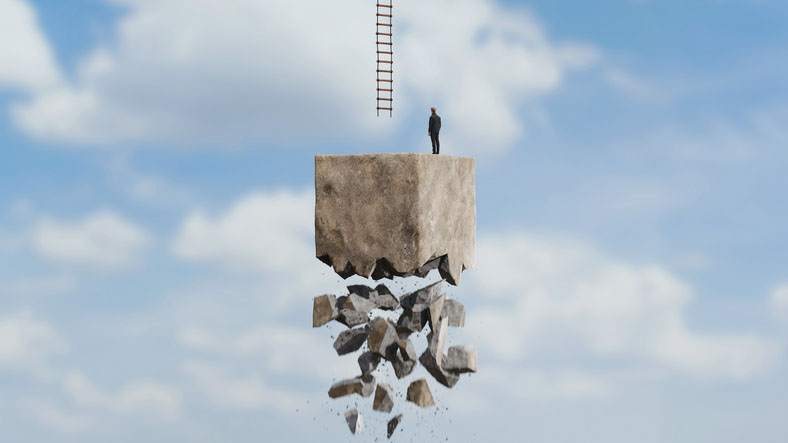
"On Rosh Hashanah, the gates between heaven and Earth are opened, and things that were beyond us suddenly become possible. The deepest questions of our heart begin to find answers. Our deepest fear, that gaping emptiness up ahead of us and back behind us as well, suddenly becomes our ally. Heaven begins to help us."
Heaven help us all. Shanah Tovah!