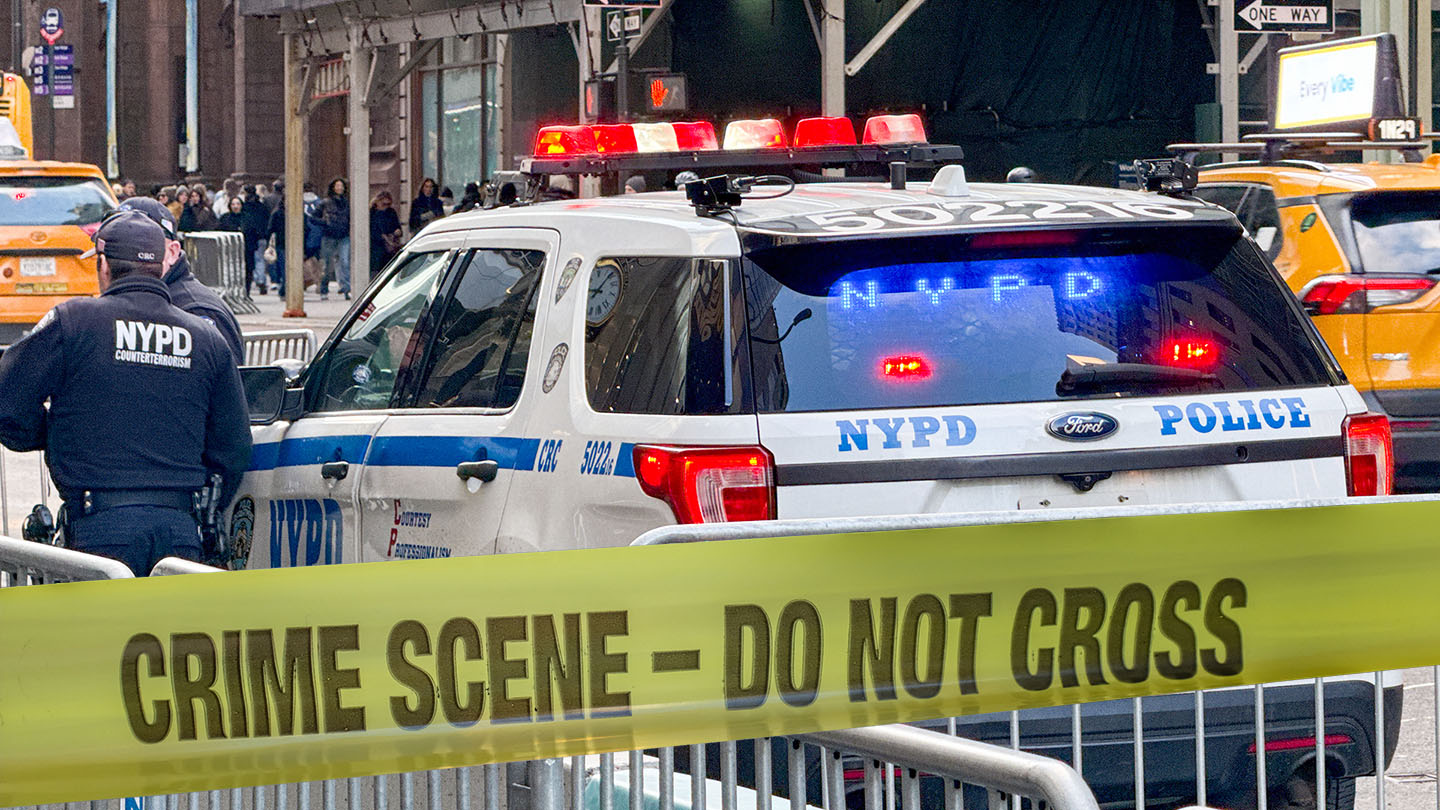
On July 18, 1994, a hellish scene unfolded in Buenos Aires as a car bomb set by Iranian agents destroyed the AMIA/DAIA Jewish center, killing 85 people and wounding hundreds.
Twenty years later, there is still no justice in the case — and a decision taken by the Argentine government is part of the problem.
Last year, it signed a memorandum of understanding with the Iranian government that was supposed to establish a so-called truth commission to bring resolution to the case.
In April, the World Jewish Congress, supporting the Argentine Jewish community, called on the Argentine government to rescind the memorandum. As Jewish communities around the world mark the anniversary with vigils, we urge the U.S. government to bring pressure to bear to see that this happens, and to again push the Iranians to surrender the AMIA suspects.
Nothing has changed in Iran’s behavior in the 20 years since the AMIA atrocity. Iran’s terror forces continue to wreak havoc everywhere in the Middle East. Iranian-designed rockets have been raining on Israel. Iranian-funded and -armed Hezbollah has assassinated its way into a leading role in the Lebanese government, and now assists Syrian President Bashar Assad in slaughtering his own people. Not to mention that Iranian agents supplied the roadside bombs that not so long ago killed so many American service personnel during the Iraq war.
Iran’s terror team revels in its accomplishments. Two years ago, on the anniversary of the AMIA bombing on July 18, Hezbollah blew up a bus of Israeli tourists in Bulgaria, killing six.
The AMIA bombing itself was the culmination of more than a decade of Iranian-sponsored terrorist atrocities that killed many Westerners. In 1983, Iranian-backed terrorists sent truck bombs into the barracks of American and French peacekeepers in Beirut, killing 299. In 1992, Iranian agents blew up the Israeli Embassy in Buenos Aires, killing 29 and wounding hundreds. (No one has been brought to trial in that case, either.)
The Argentine memorandum is a despicable document. Argentina’s judiciary long ago presented clear evidence that the terrorist attack was ordered and masterminded by senior officials in the Iranian government and by Hezbollah. It even presented Interpol with the names of the alleged perpetrators, which in turn issued a red alert.
Iran, however, refused for many years to render the suspects, so Argentina decided to try a conciliatory approach by signing the joint memorandum — notwithstanding the vociferous protests of the Argentine Jewish community, which decried it as an affront to the victims of the attack. The community also warned that as a practical matter, the gambit was doomed to fail. It has. A year later, the Argentine government has nothing to show for it — not surprisingly, since the Iranian regime has foiled the “truth commission” at every turn.
We at the World Jewish Congress approach the AMIA anniversary, as we do each year, with a heavy heart. We grieve for our many friends lost and live with the aftermath of the atrocity.
What have we learned since the AMIA bombing?
We’ve learned that the world loves to forget. But as Jews, we must heed the commandment of “zachor” – to remember. To paraphrase Genesis, the voice of our brothers’ blood is crying out to us from the ground. Some people say that “justice delayed is justice denied,” but we will keep insisting until justice is done.
The way forward on this case is the same as it always was: America, Argentina and the West must insist that the Iranian regime stop putting up roadblocks and dust and hand over the suspects. If Iran does not do so, it can never be accepted back into the family of nations no matter how many nuclear bombs it promises to forgo.
(Robert Singer is CEO of the World Jewish Congress.)