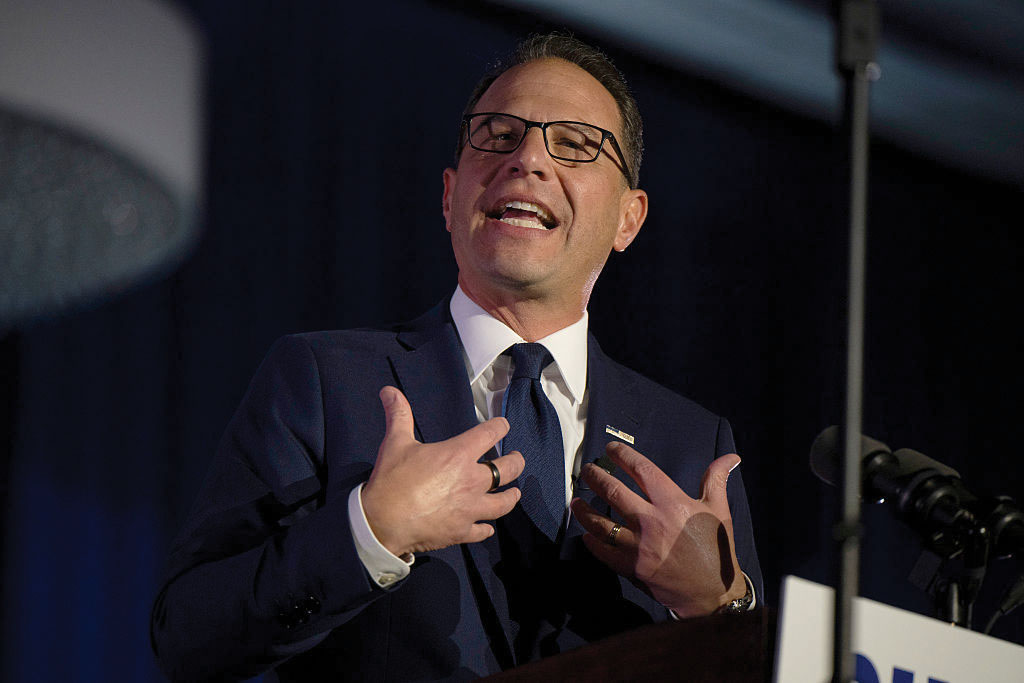
The “furious” director of the JCC in Krakow says the BBC manipulated his comments in order to bolster a “sensationalist” report on anti-Semitism and racism in Poland and Ukraine.
The report, a half-hour documentary called “Euro2012: Stadiums of Hate,” was aired last week ahead of the European Soccer championships, which are taking place in Poland and Ukraine this month. It showed graphic footage of Polish soccer fans insulting a black player and chanting anti-Semitic slogans, and Ukrainian soccer hooligans beating up Asian fans.
In an angry statement sent to The Economist magazine Wednesday, American-born Jonathan Ornstein called the program “tendentious.” He said he was “furious at the way the BBC has exploited me as a source.” The BBC, he said, had used him and others “to manipulate the serious subject of anti-Semitism for its own sensationalist agenda; in doing so, the BBC has insulted all Polish people and done a disservice to the growing, thriving Jewish community of Poland.”
He added that the BBC had “knowingly cheated” its audience by “concocting a false horror story about Poland. In doing so, the BBC has spread fear, ignorance, prejudice and hatred.”
Ornstein said that he was interviewed for about an hour by a BBC correspondent and had emphasized that the “small number of football fans in Poland engaging in anti-Semitic and racist behavior do not represent Polish society as a whole.” The BBC, he said, had “completely disregarded anything positive I said and aired only comments critical of Poland.”
He said he had suggested that the BBC reporters interview two Israeli members of a Krakow soccer team, but “the reporters responded that this line of inquiry ‘didn’t fit their story,’ a response which perplexed me at the time.”
The BBC rejected Ornstein’s allegations.
A BBC spokesman said: ‘It was made clear to Mr. Ornstein that the interview was being carried out in the context of football-related racism and anti-Semitism in Poland and his contribution was clearly placed in this context in the film. The program stated in commentary that he believes that most Poles happily accept other faiths but that football hooligans are yet to catch up with wider Polish society.”
The spokesman said the programs producer and reporter denied “refusing the offer to interview two Israeli footballers playing in Poland because it did not fit the story, in fact they would have jumped at the chance of interviewing them.”