Micah Abraham is standing on a stool in his parents’ kitchen, stirring a bowl of brownie mix.
“Frosting?” the 7-year-old asks Daphna Davidowitz, 16, his Friendship Circle volunteer.
“Not yet,” she cautions.
“When brownies done, we put on frosting!” Micah persists.
Suddenly he turns and runs outside in his bare feet. Daphna chases him down, laughing with him as she coaxes him back to the kitchen.
“I can put them in the oven and make frosting brownies!” he exults.
Micah suffers from autism. He goes to public school, accompanied by a full-time aide. He has trouble focusing, makes inappropriate comments and engages in repetitive behavior, all of which make it hard to interact with him.
At least 300,000 American schoolchildren ages 4 to 17 have the developmental disorder, according to the Centers for Disease Control. And the numbers are increasing every year. Loneliness is one of the worst problems facing children with developmental disabilities. Others avoid them, uncomfortable with the outbursts, unsure how to talk to them and unwilling to make the effort.
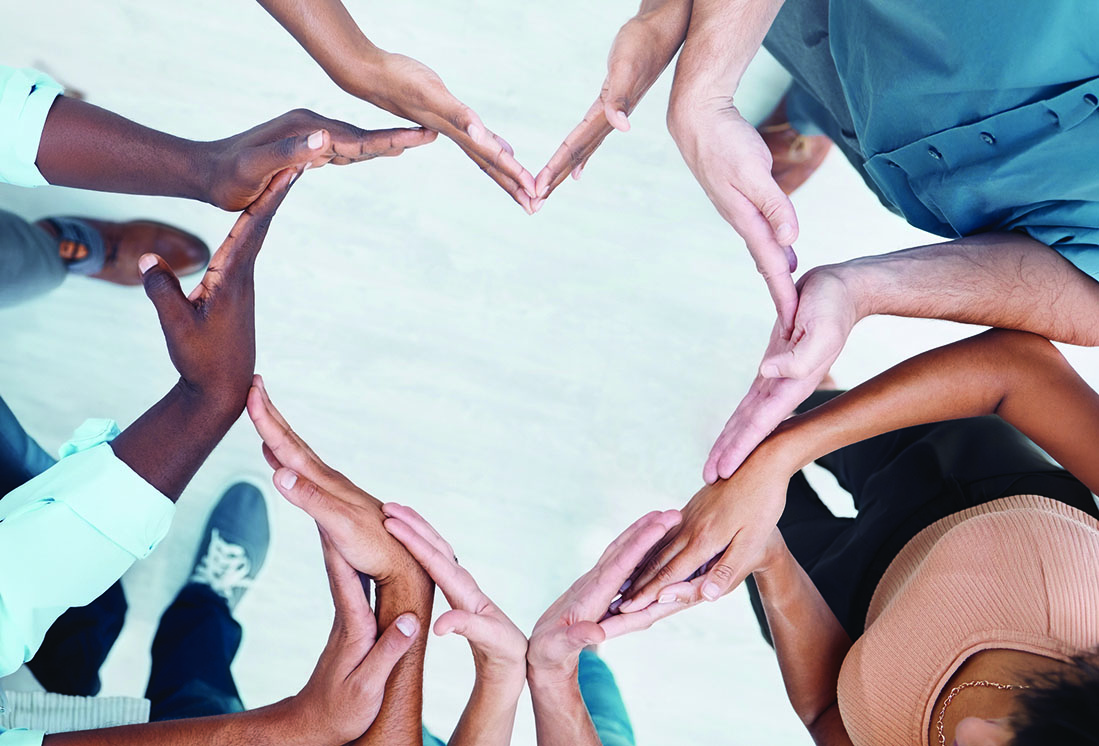
Chabad’s Friendship Circle is trying to break through that isolation by reaching out to children with developmental problems, as well as their families, and offering them a welcoming hand into the community.
Peter Bell, president and CEO of the national advocacy group Cure Autism Now, has been sending his 13-year-old autistic son to the Friendship Circle in Los Angeles for two years.
“It’s a wonderful experience,” Bell says. “It’s critical for these kids to feel they have a home and a place to develop friendships.”
Located in the heart of the Pico-Robertson area, the L.A. Friendship Circle, under the guidance of executive director Rabbi Michy Rav-Noy and program director Miriam Rav Noy, offers services to 60 families and has more than 100 volunteers. Every week, the Brian Sobol Friends at Home Program has teen volunteers visit children in their homes, offering friendship, sharing activities and providing the parents with a respite.
Additional events include a bimonthly Sunday Circle program; the annual Winter Camp from Dec. 26-Dec 29; a new sports program starting Jan. 8 for boys 9-15 called Club Kung Fu; and Mom’s Night Out for mothers of children who have special needs.
But the Friendship Circle is most excited about how its spending Chanukah — with the governor.
On Dec. 14, Chabad will join Gov. Arnold Schwarzenegger in Sacramento to light the Capitol Menorah, which this year is being painted by Friendship Circle participants from across California.
“It’s always wonderful to celebrate the holiday with our governor and see the menorah shining at the State Capitol,” said Rabbi Boruch Shlomo Cunin, head of Chabad of California. “And this year will be especially meaningful as we include these beautiful children from the Friendship Circle to promote ‘A Chanukah of Friendship.'”
Nine local Friendship Circle chapters will be represented at the event — Los Angeles, San Francisco, San Diego, Agoura, Manhattan Beach, Newport Beach, Palo Alto, San Mateo and Studio City.
In each chapter, the volunteers and special-needs children have painted their own branch of the Capitol Menorah following the design of Los Angeles artist Marc Lumer; these painted branches will then be assembled for the celebration.
The first Friendship Circle was created in 1994 in West Bloomfield, Mich., by Chabad emissaries Rabbi Levi and Bassie Shemtov. They came up with the idea soon after they arrived, Levi says, by asking other rabbis and Jewish leaders what was the greatest community need. Today there are 59, each run by a Chabad emissary couple. Thirty-four circles were set up this past year, the newest in San Francisco in November. The goal is 100 by the year 2010. Nationwide, more than 10,000 volunteers and special-needs families are involved – and not all are religious.
Michelle Chekan of West Bloomfield sends her 6-year-old son, Ari, to several Friendship Circle programs, including Friends at Home and tae kwon do classes.
“We are very Reform, but they are so nonjudgmental, so open to any branch of Judaism or non-Jewish people,” she says.
The first Friendship Circle volunteers 12 years ago were Lubavitch girls, but volunteers now come from all over the Jewish community. Palo Alto Chabad emissary Nechama Schusterman, who runs that city’s Friendship Circle with her husband, Ezzy, says she gets many of her 130 teen volunteers from Jewish youth groups.
Friendship Circle directors say the program is based on teachings of the Lubavitcher rebbe, Menachem Mendel Schneerson, who wrote that special-needs children should not be treated differently from other kids. That positive message infuses the Friendship Circle and provides its particular twist ” not to help special-needs children in isolation, but to embrace them as fellow Jews and human beings.
In cities where Friendship Circles operate, families of the special-needs children, the volunteers and Jewish leaders say it has helped normalize the community’s attitude toward developmental disabilities.
Said L.A Friendship Circle program coordinator Esty Goldstein: “Together, we can perform miracles.”
The L.A. Friendship Circle is located at 9581 W. Pico Blvd, Los Angeles. For more information, call (310) 277-3252 or e-mail fcla@sbcglobal.net..