















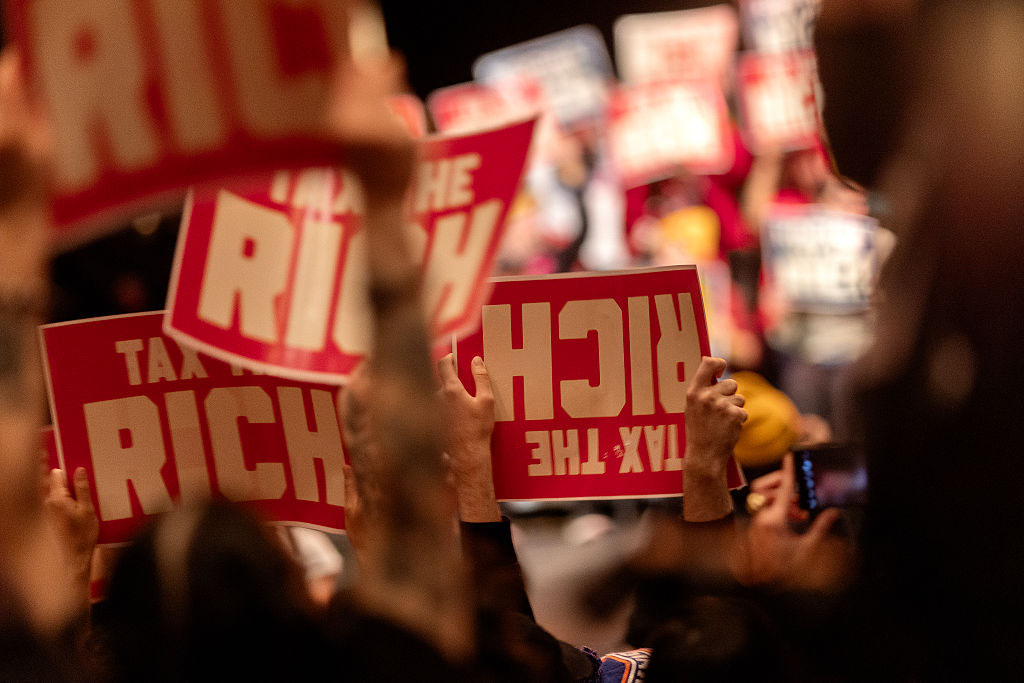
The master of this subterfuge is the savvy Mamdani, who makes socialism look as sweet and innocent as a community library.
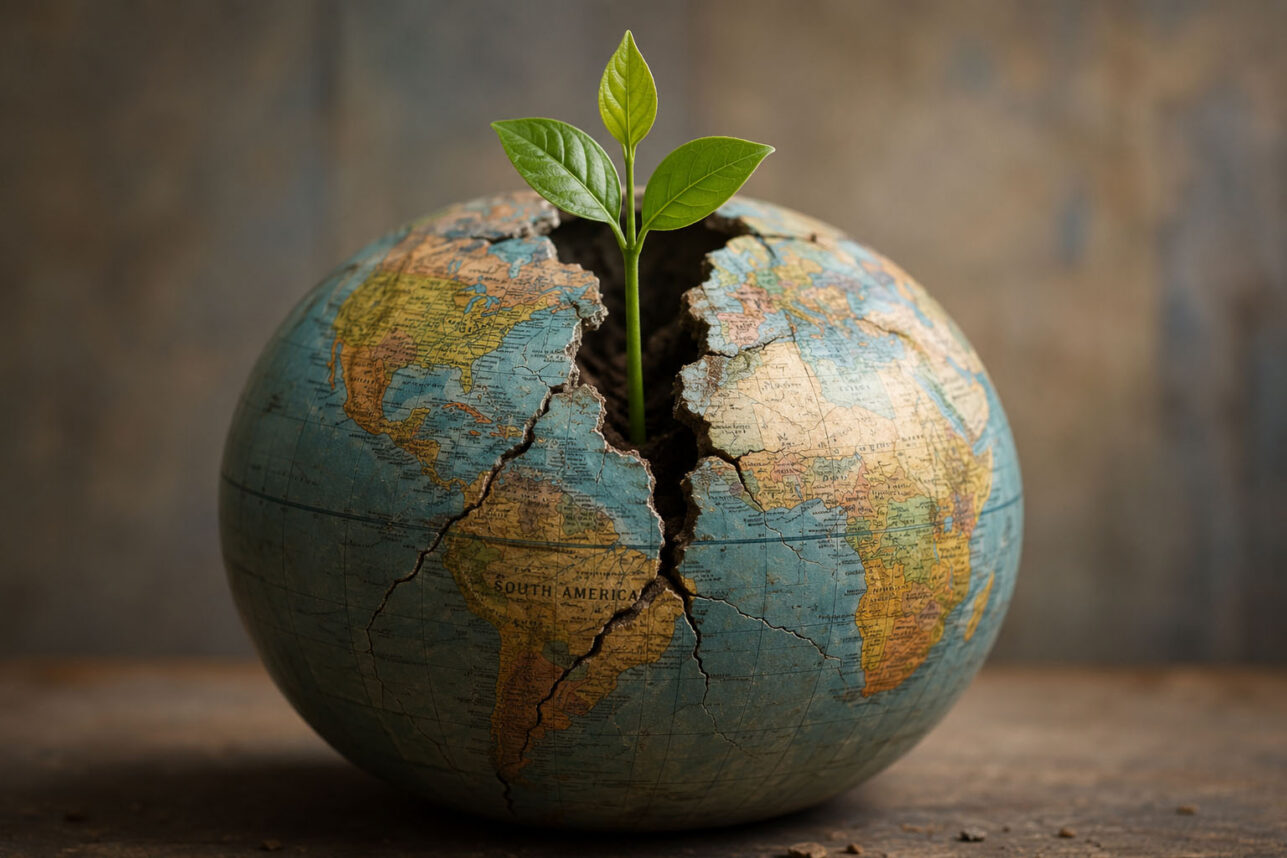
Without the longing and passion that come with failures and mistakes, without the introspection required by repentance, one cannot become the best possible version of themselves.


In a world that often tells us to care less in order to hurt less, Judaism offers another path: never care less.


As Netanyahu visits Trump, Israelis look to Washington with wearier eyes. What does the future hold for the relationship?

The huge plus is that a super, simple sheet pan recipe results in a dish that looks so impressive and sophisticated.

With summer produce at its peak – and the heat so hard to beat – it’s a great time to add more light, healthy treats to your rotation.
Counting Our Blessings

As Netanyahu visits Trump, Israelis look to Washington with wearier eyes. What does the future hold for the relationship?

In both, there’s sacrifices, there’s tribal identity, there’s a concern for honor and dignity. And then there are these huge, glaring differences

On Tu b’Av, the full moon rises. The same people who mourned begin to dance. The same nation who splintered begins to seek one another out again in the vineyards, in the fields, in the moments of vulnerability and return.

I didn’t even know that there were still Jews left in Ethiopia, but what I encountered there firsthand was a thriving Jewish community, with some very significant struggles.
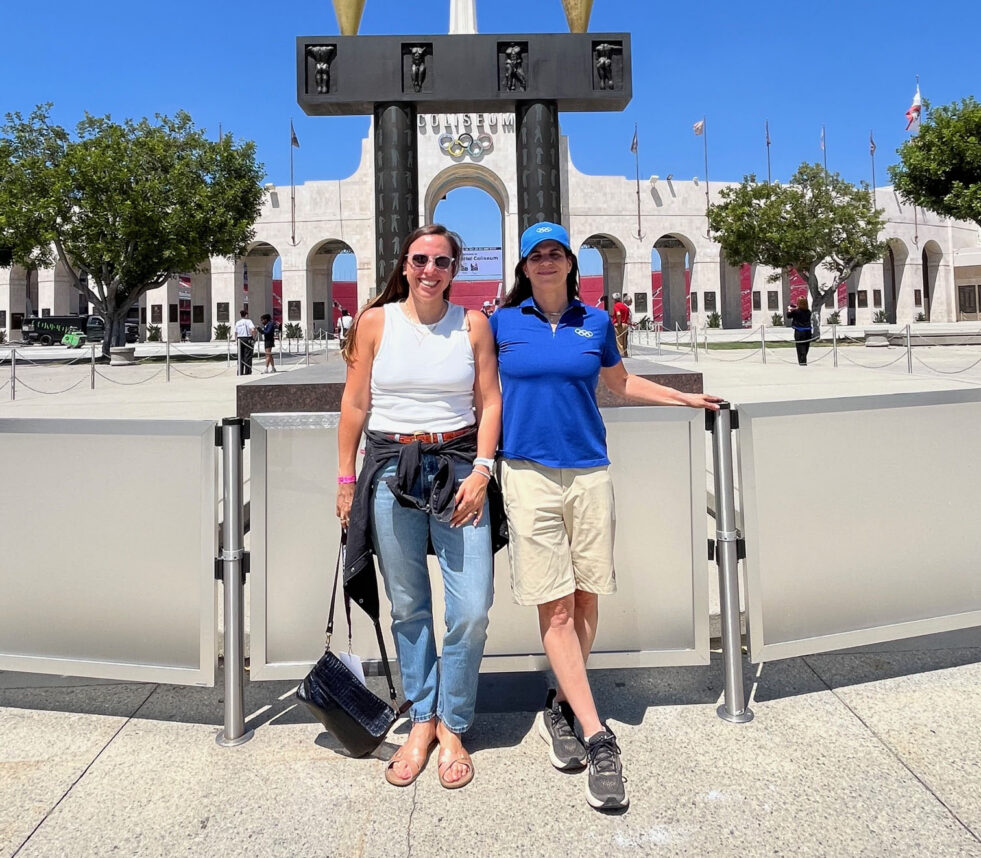
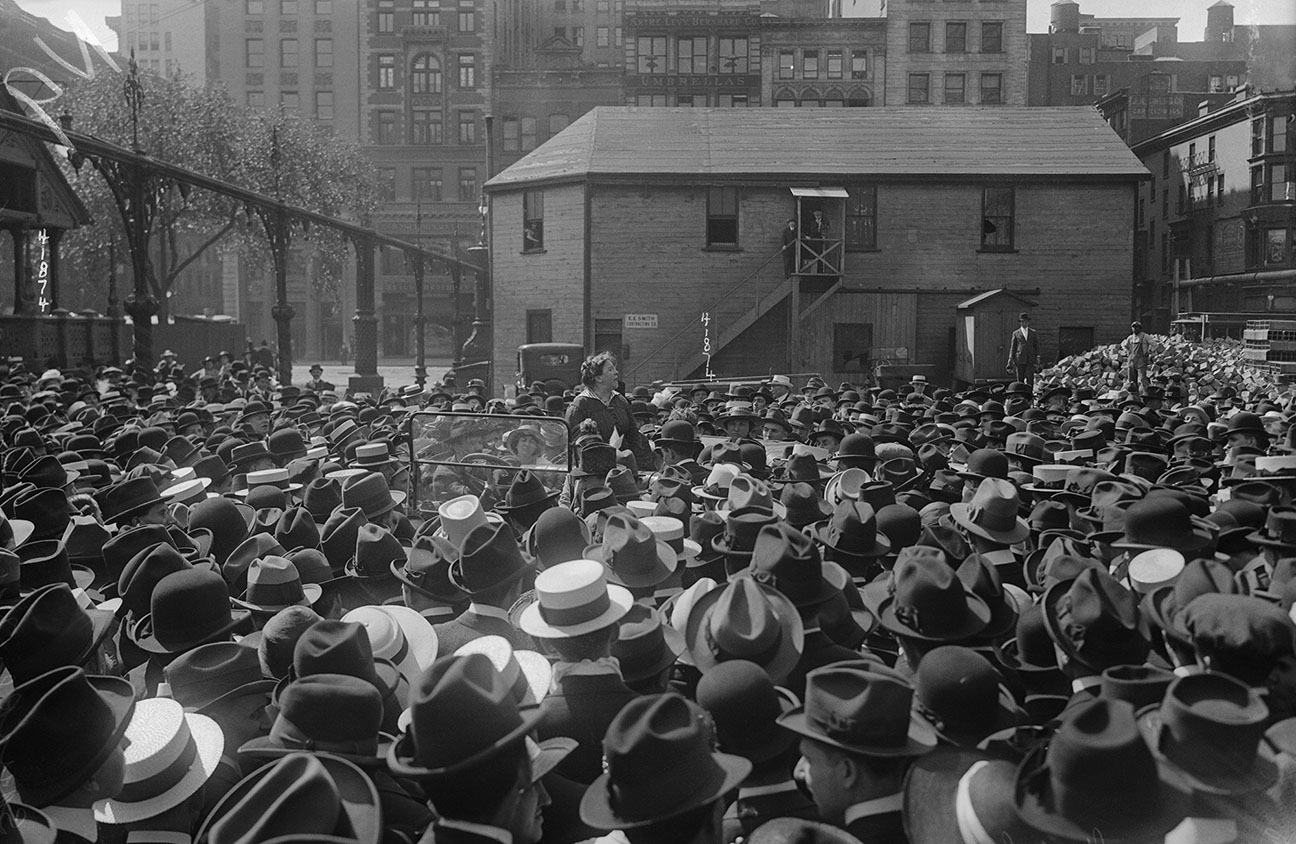
The Jewish immigrant who organized for a 40-hour work week did not do so to give his grandchildren a politics that asks them to feel guilty for their education, their professional success or their attachment to a Jewish state.

These are educational institutions. But most universities have allowed bureaucrats – in Washington and on campus – to hijack what could be “teachable moments.”
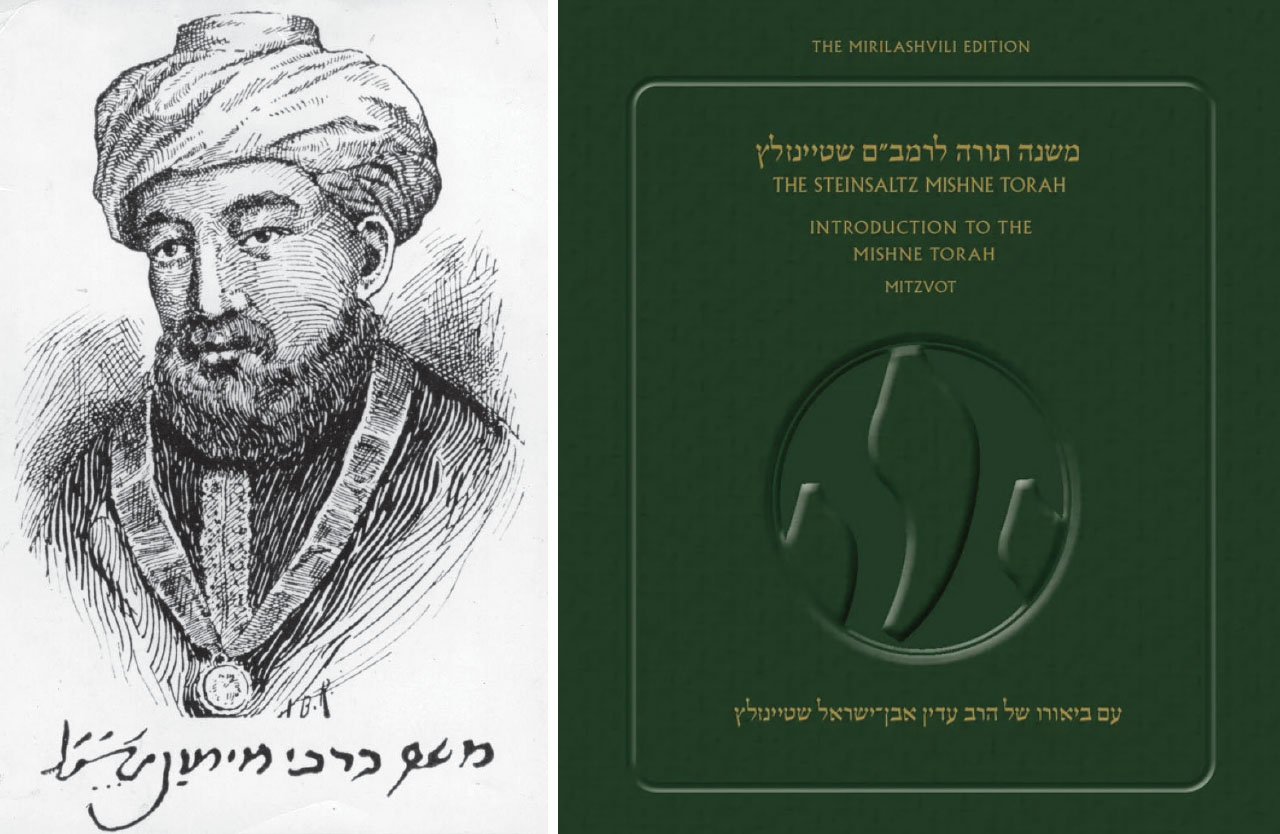
In this enriching new edition of the classic code of Jewish law, readers can delve deeply into the mind of Maimonides, from his analysis of the commandments to the controversies that have accompanied his writings, offering a window into the wisdom of one of our tradition’s preeminent thinkers.

Will Americans ever regain trust in our institutions? I think so.

In the book of Isaiah, God calls the prophet to comfort the Jewish people. But we know this is really something we must do for one another.