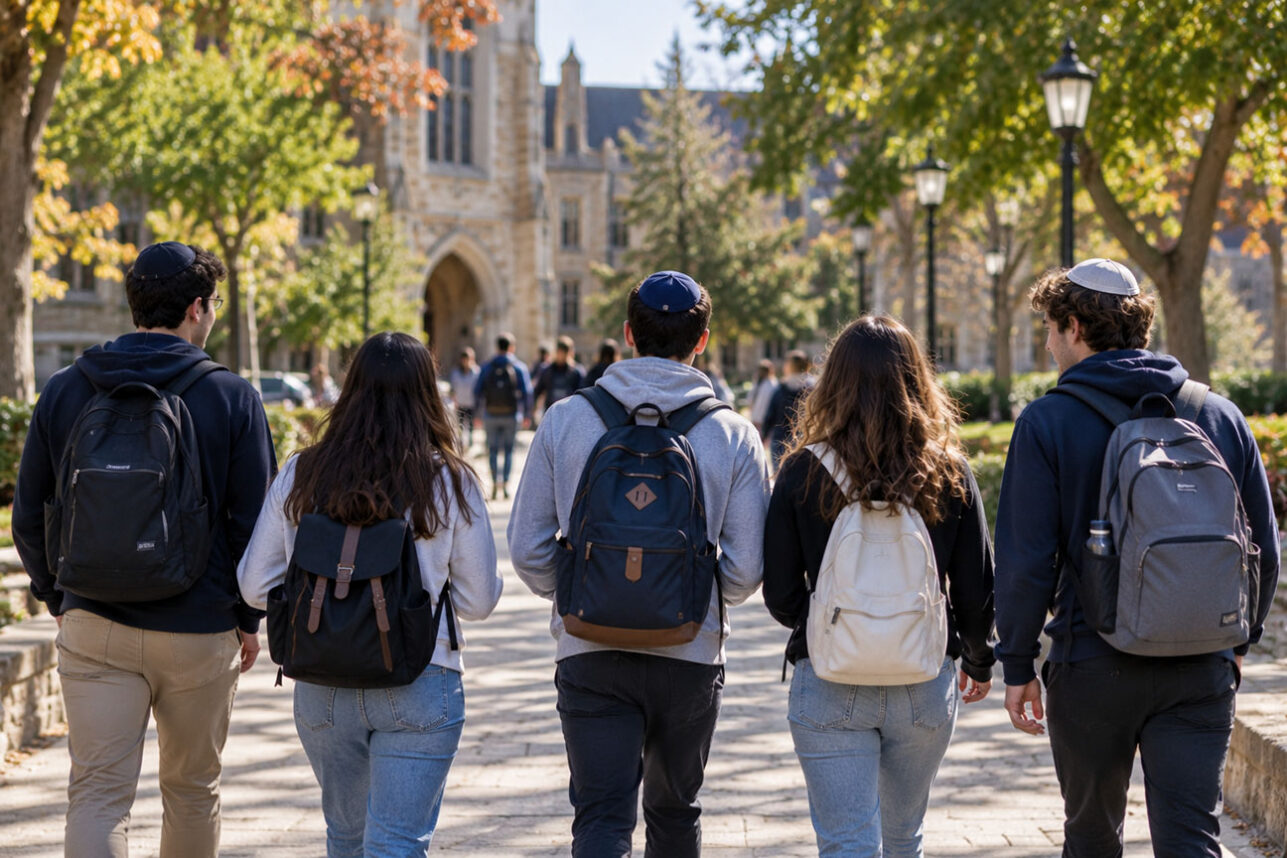
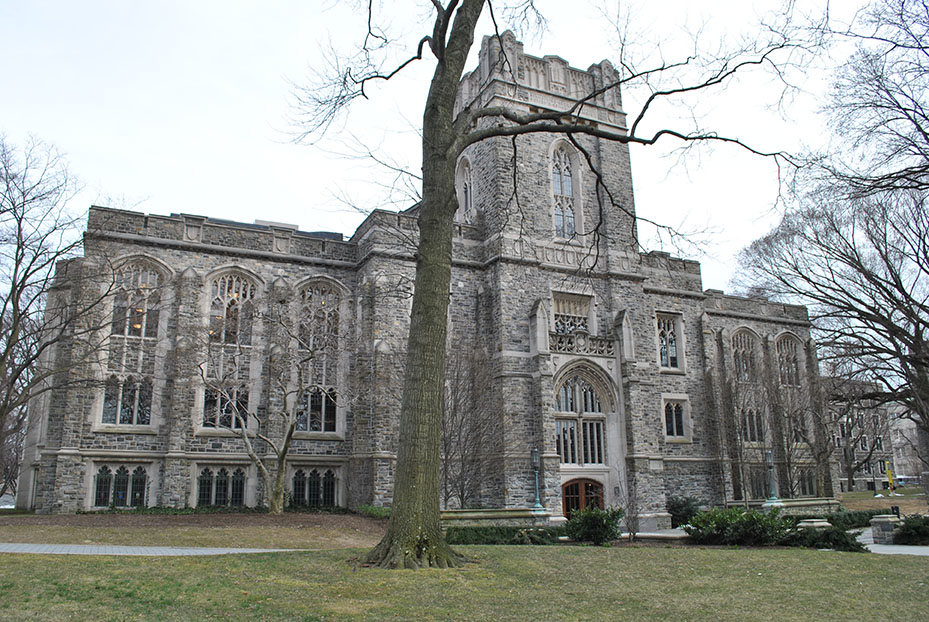
The New York State Supreme Court Appellate Division upheld Fordham University’s decision to not recognize Students for Justice in Palestine (SJP) as a student club on campus, Jewish News Syndicate reported.
The case in question stems from 2016, when Fordham Dean of Students Keith Eldredge concluded that he couldn’t “support an organization whose sole purpose is advocating political goals of a specific group, and against a specific country, when these goals clearly conflict with and run contrary to the mission and values of the university.” In July 2019, a New York judge ruled that the university needed to recognize SJP; on December 22, 2020, the appellate court overturned the ruling. The court argued that the petitioner didn’t have standing because the petitioner, a Fordham student named Veer Shetty, was not a student at the time the university decided against recognizing SJP.
Even if the court had decided to grant standing, they still would have ruled in favor of the university as the ruling states that “that the proposed club, which would have been affiliated with a national organization reported to have engaged in disruptive and coercive actions on other campuses, would work against, rather than enhance, [the university’s] commitment [to] open dialogue and mutual learning and understanding.”
Ziporah Reich, Director of Litigation for The Lawfare Project, told Jewish Insider (JI) that the ruling was “important,” as it affirmed that the university “was well within its legal rights to prevent the group from forming on campus based on its conclusion that the organization was reported to have engaged in ‘disruptive and coercive action on other campuses.’”
StandWithUs Center for Combating Anti-Semitism Director Carly Gammill similarly said in a statement that the “court ruling sets a precedent for private universities, showing that they have a right to reject hatred and discrimination from fomenting on campus.” Fordham is a private university in New York.
Zionist Organization of America (ZOA) National President Morton Klein and Center for Law and Justice Director Susan Tuchtman also said in a statement, “We at the ZOA deeply appreciate that the court understood that Fordham’s decision to reject an antisemitic hate group like SJP was a sound and rational one, completely in keeping with Fordham’s commitment to maintaining a campus environment that is tolerant, respectful, and safe. We are also proud of Fordham for standing firm and sending the message to hate groups like SJP that antisemitic harassment and the promotion of anti-Israel lies will not be tolerated on its campus. Fordham’s leadership, and this court decision, set a promising and welcome precedent for other private colleges and universities.”
Palestine Legal and the Center for Constitutional Rights, which represented SJP, decried the ruling as “shameful” in a statement. “At a time when Fordham purports to be ‘reckoning’ with its institutional racism, and claiming that ‘anti-racism, diversity, and inclusion are institutional and mission priorities,’ it would do well to start by reversing its decision to ban SJP,” the statement read. “Fordham’s ban of SJP relied on false anti-Palestinian and Islamophobic allegations against student groups advocating that human rights should extend to Palestinians, too.” The statement also accused the university of censoring Palestinian students and noted that SJP will be appealing the ruling.
University spokesperson Bob Howe told JI that the university is grateful that the court upheld the university’s “right to not approve groups that were inconsistent with its mission.”
This article was updated on December 30.